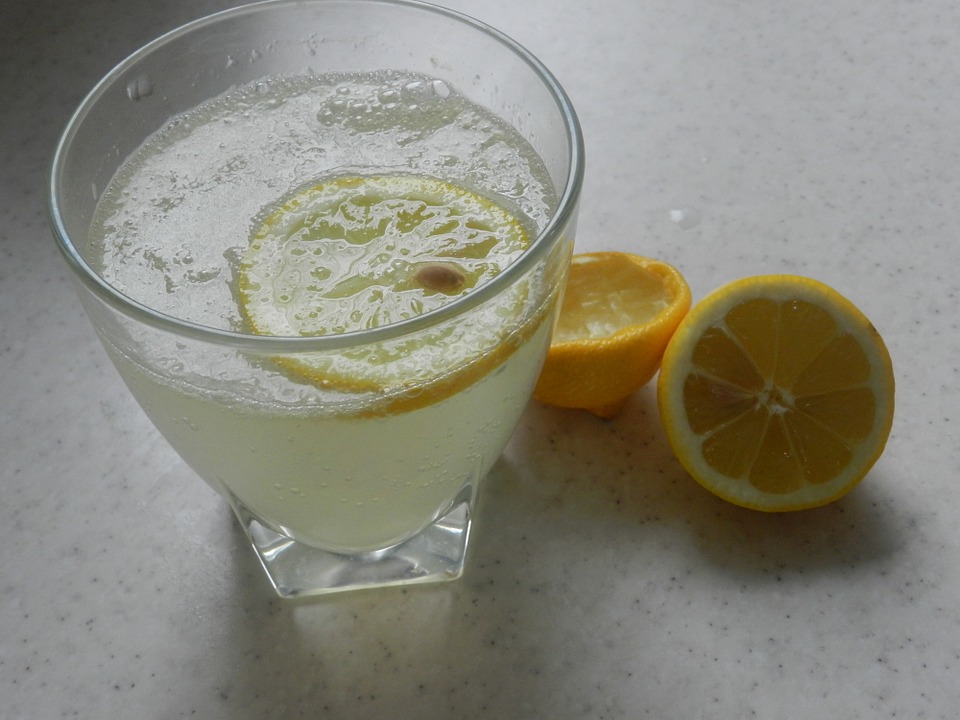
Lemon Water for Daily Health: Benefits, Myths, and Safe Use

by Andreea Smiterson
2 comments
A+A-
Reset

As a phytotherapy specialist, it’s essential to distinguish between the scientifically supported benefits of plants like lemon (*Citrus limon*) and the popular but often misguided remedies. While lemons are a valuable source of nutrients, their improper use can lead to adverse effects. Therefore, this guide provides an evidence-based perspective on how to incorporate lemon juice into your wellness routine safely and effectively.

lemon juice benefits

Lemons are rich in Vitamin C (ascorbic acid), citric acid, and antioxidant flavonoids like hesperidin and eriocitrin. Historically, sailors used them to prevent scurvy, a severe Vitamin C deficiency. Today, we can leverage these components for modern health support, provided we understand their mechanisms and limitations.

Evidence-Based Benefits of Lemon Water

While many claims circulate online, only a few are supported by robust scientific evidence. It is important to focus on these validated uses rather than unproven theories.

1. Supports Hydration and Kidney Stone Prevention

One of the most significant benefits of lemon water is its role in preventing calcium oxalate kidney stones. The citric acid in lemons increases urinary citrate levels and urine volume. Consequently, this creates an environment less favorable for stone formation. A meta-analysis published in Urolithiasis (2022) confirmed that lemon juice therapy is a viable non-pharmacological option for preventing the recurrence of these stones. Furthermore, adding a pleasant flavor to water encourages higher fluid intake, which is fundamental for overall kidney health.

2. Provides Vitamin C and Antioxidants

Lemons are an excellent source of Vitamin C, a crucial antioxidant that protects cells from oxidative damage caused by free radicals. Moreover, Vitamin C is essential for a robust immune system, supporting the function of various immune cells. It also plays a vital role in collagen synthesis, which is necessary for healthy skin, cartilage, and blood vessels. While it won’t “cure” a cold, consistent intake can support the body’s natural defense mechanisms.

3. May Aid in Digestive Health

Drinking a glass of warm water, with or without lemon, first thing in the morning is a traditional practice for stimulating peristalsis (the wave-like muscle contractions that move food through the digestive tract). While the lemon itself isn’t the primary driver of this effect, its inclusion can make the habit of morning hydration more appealing. Additionally, some preliminary research suggests that citrus flavonoids may positively influence gut microbiota, although more human studies are needed to confirm this.

Debunking Dangerous Myths About Lemon Juice

Many popular “remedies” involving lemon juice are not only ineffective but also potentially harmful. It is critical to avoid these practices.

Myth or Dangerous Use Scientific Reality and Safety Warning
Myth: Applying lemon juice to the skin treats acne. DANGER: This can cause severe skin irritation and phytophotodermatitis, a chemical burn that occurs when the treated skin is exposed to sunlight. It disrupts the skin’s protective barrier and can lead to hyperpigmentation.
Myth: Rinsing with lemon juice whitens teeth and cures toothaches. DANGER: The high citric acid content aggressively erodes tooth enamel, leading to permanent damage, increased sensitivity, and a higher risk of cavities. Never apply undiluted lemon juice directly to your teeth or gums.
Myth: Lemon juice “alkalizes” the body and balances pH. INACCURATE: The human body maintains a tightly regulated blood pH (around 7.4) regardless of diet. The “alkaline diet” theory is based on a misunderstanding of human physiology. While lemon juice is acidic, it does not alter blood pH.
Myth: Drinking concentrated lemon juice relieves heartburn. DANGER: For individuals with acid reflux or gastroesophageal reflux disease (GERD), consuming acidic substances like lemon juice can significantly worsen symptoms by irritating the esophagus.

Administration Protocol and Safety Limits

To benefit from lemon water without experiencing adverse effects, it is crucial to follow a safe administration protocol.

Treatment Duration

  • Daily Use: Lemon water can be consumed daily as part of a healthy hydration routine.
  • Mandatory Break: Not required if consumed in moderation, but it is always wise to listen to your body and take breaks if any sensitivity develops.

Quantity and Maximum Dose

  • Maximum Daily Dose: The juice of one medium-sized lemon (approximately 2-3 tablespoons or 30-45 ml) diluted in a large volume of water is a safe upper limit for most healthy adults.
  • Dose per Administration: Start with the juice of half a lemon in at least 8-12 ounces (240-350 ml) of water.
  • Overdose Risk: Exceeding this amount regularly increases the risk of dental erosion and may cause gastrointestinal upset or worsen acid reflux.

Administration Condition

  • Timing: Can be consumed at any time of day. Many prefer it in the morning to promote hydration after sleep.
  • Method of Consumption: Always dilute lemon juice heavily in water. To protect tooth enamel, drink it through a straw and rinse your mouth with plain water afterward.
  • – **Incompatibilities:** Avoid consuming immediately before or after brushing your teeth, as the enamel is temporarily softened.

Specific Biological Limitation

Citric Acid and Dental Enamel: The primary limitation of lemon juice is its high concentration of citric acid, which has a low pH. This acid demineralizes and erodes tooth enamel, the hard, protective outer layer of the teeth. Unlike bone, enamel does not regenerate. Therefore, once it is lost, the damage is permanent, leading to increased tooth sensitivity, discoloration, and a higher susceptibility to cavities.

Contraindications and Precautions

Absolute Contraindications (Avoid Use)

  • Gastroesophageal Reflux Disease (GERD): Lemon juice can trigger or worsen heartburn and regurgitation.
  • Peptic Ulcers: The acidity can cause significant pain and irritation to stomach or duodenal ulcers.
  • Dental Enamel Erosion: Individuals with thin or sensitive enamel should avoid lemon water.
  • Citrus Allergy: Though rare, an allergy to citrus fruits is a clear contraindication.

Vulnerable Populations

  • Pregnancy and Breastfeeding: Generally considered safe in moderation, but pregnant women experiencing heartburn should exercise caution.
  • Children: Due to their developing enamel, children should consume lemon water only occasionally and in very dilute forms, preferably through a straw.

Major Drug Interactions

  • Aluminum-Containing Antacids: Citric acid can significantly increase the body’s absorption of aluminum from these medications. Therefore, separate consumption by at least two hours.

Documented Adverse Effects

  • Common: Tooth sensitivity, worsening of acid reflux.
  • Rare: Stomach cramps or irritation in sensitive individuals.

Therapeutic Alternatives

If lemon water is not suitable for you, other botanicals can provide similar benefits.

Botanical Alternatives with Studies

  1. Hibiscus Tea (*Hibiscus sabdariffa*): For a hydrating, antioxidant-rich beverage, hibiscus tea is an excellent choice. It is naturally caffeine-free, rich in anthocyanins, and studies suggest it may help support healthy blood pressure levels.
  2. Rose Hip Tea (*Rosa canina*): As an alternative source of Vitamin C, rose hips are one of the most concentrated botanical sources available. Consequently, a tea made from dried rose hips provides robust immune support without the high acidity of lemon.
  3. Chanca Piedra (*Phyllanthus niruri*): For individuals specifically concerned with kidney stone prevention, Chanca Piedra, also known as the “stonebreaker,” has a long history of traditional use and is supported by preliminary research for its potential to interfere with the formation of calcium oxalate crystals.

Recent Medical Research (2020-2026)

Modern research continues to explore the nuanced effects of citrus components.

  • A 2022 meta-analysis in Urolithiasis reinforced the efficacy of lemon juice therapy in increasing urinary citrate levels and reducing the risk of kidney stone recurrence, solidifying its role as a preventative dietary strategy.
  • Research published in Nutrients in 2021 highlighted the role of citrus flavonoids, such as hesperidin, in supporting vascular health and exhibiting anti-inflammatory properties. This suggests benefits beyond simple Vitamin C content.

Current Limitations: While the benefits for kidney stones and Vitamin C intake are well-established, many other claims (such as weight loss or “detoxification”) lack direct scientific evidence. The body’s liver and kidneys are its primary detoxification systems, and no single food can replace their function.

Specialist’s Summary

Lemon water is a useful tool for enhancing hydration and preventing calcium oxalate kidney stones, primarily due to its citric acid content. It is also a good source of Vitamin C. However, it is contraindicated for individuals with GERD, peptic ulcers, or sensitive dental enamel. To minimize the risk of enamel erosion, always dilute it well, use a straw, and rinse with plain water afterward. Validated alternatives include hibiscus tea for antioxidants and Chanca Piedra for targeted kidney support.

Frequently Asked Questions

1. Can lemon water help with weight loss?

Lemon water itself does not burn fat. However, by promoting hydration and serving as a low-calorie replacement for sugary drinks, it can support weight management goals. Drinking water before meals may also increase feelings of fullness, leading to reduced calorie intake.

2. Is it safe to drink lemon water every day?

Yes, for most people it is safe to drink diluted lemon water daily. The key is moderation (juice of ½ to 1 lemon per day) and following safety protocols, such as using a straw and rinsing your mouth, to protect your teeth.

3. Does lemon water detox the body?

The term “detox” is often misused. The human body has highly efficient detoxification organs: the liver and kidneys. While staying hydrated with lemon water supports the function of these organs, it does not possess any special properties to “cleanse” or “detoxify” your system beyond this supportive role.

4. Is lemon water safe during pregnancy?

Yes, it is generally considered safe during pregnancy and can be a good way to stay hydrated and get extra Vitamin C. However, because heartburn is common during pregnancy, it may worsen symptoms in some women. If you experience discomfort, it is best to discontinue use.

Sources and References

Recent Studies (2020-2026):

  1. Ruggera, L., et al. (2022). The effectiveness of lemon juice in the treatment of urinary stone disease: a systematic review and meta-analysis. Urolithiasis, 50(3), 239-248. https://link.springer.com/article/10.1007/s00240-022-01321-3
  2. Mas-Capdevila, A., et al. (2021). Effect of Hesperidin on Cardiovascular Disease Risk Factors: The Role of Gut Microbiota. Nutrients, 13(9), 3233. https://www.mdpi.com/2072-6643/13/9/3233

Official Monographs and Databases:

  • U.S. Department of Agriculture, Agricultural Research Service. FoodData Central. Lemon juice, raw

⚠️ Important Medical Information

This article is for educational and informational purposes only and is not intended as medical advice, diagnosis, or treatment. The information provided about Lemon (*Citrus limon*) is based on traditional use, preliminary research, and available scientific evidence, which may be limited.

Before using lemon juice for health purposes:

  • Consult a qualified healthcare provider, especially if you are pregnant, breastfeeding, taking medications, or have existing health conditions like GERD or dental issues.
  • Do not use as a substitute for prescribed medications or professional medical treatment.
  • Individual results may vary – what works for one person may not work for another.
  • Monitor for adverse reactions, such as tooth sensitivity or heartburn, and discontinue use if negative symptoms occur.


You may also like

2 comments

Linda Stanage
Linda Stanage March 31, 2016 - 19:35

what can I use for poison Ivy on my grandson who is full of it.

Reply
Jackie Berry
Jackie Berry July 18, 2016 - 20:37

Sigh….the juice is the JUICE….just DRINK IT!!!

Reply

Leave a Comment