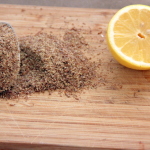
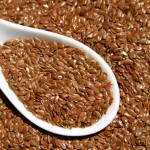
Flax (*Linum usitatissimum*) is a plant with a rich history of use, cultivated for millennia by ancient civilizations for both its fiber (linen) and its seeds. In traditional medicine systems, flaxseed has long been valued for its soothing properties for the digestive tract. Today, modern research confirms its role in supporting regular bowel movements, primarily due to its unique composition of soluble fiber and mucilage.
Furthermore, flaxseeds are a significant source of alpha-linolenic acid (ALA), a plant-based omega-3 fatty acid, as well as lignans and high-quality protein. These components contribute to its overall health benefits, but its primary therapeutic use in phytotherapy is for managing occasional constipation.

How Flaxseed Works as a Bulk-Forming Laxative
The effectiveness of flaxseed for constipation stems from its high content of mucilaginous fiber. When mixed with water, these fibers swell to form a gel-like substance. Consequently, this process achieves two key actions:
- Increases Stool Bulk: The gel adds mass and weight to the stool, which stimulates the intestinal walls (peristalsis).
- Softens Stool: It also traps water, making the stool softer and easier to pass, thereby reducing straining.
This mechanism classifies flaxseed as a bulk-forming laxative, which is generally considered a gentle and safe approach for promoting regularity when used correctly.
Evidence-Based Recipe for Digestive Regularity
This simple preparation combines flaxseed with bran to enhance the fiber content. For this reason, it is crucial to start with a small dose to allow your digestive system to adapt and to drink plenty of water throughout the day.
Ingredients:
- 1 tablespoon of ground flaxseed
- 1 tablespoon of wheat or oat bran
- 1 large glass (at least 8 oz or 250 ml) of water, plus more for drinking afterward
Preparation and Use:
- Combine the ground flaxseed and bran in a glass.
- Add the water and stir well. You can drink it immediately or let it sit for 15-30 minutes to allow the mucilage to form a gel.
- Crucially, drink another full glass of plain water immediately after consuming the mixture.
- This remedy is best taken once or twice a day. It can be mixed into yogurt, smoothies, or oatmeal instead of water.
Important Note: Using ground flaxseed is preferable to whole seeds. The body cannot easily break down whole seeds, which may pass through the digestive system undigested, limiting their benefits and potentially causing blockages in sensitive individuals.
Administration Protocol and Safety Limits
To ensure both safety and efficacy, you should follow a structured protocol when using flaxseed for therapeutic purposes.
Treatment Duration
- Initial Treatment Duration: Use for up to 1-2 weeks for relief of occasional constipation.
- Mandatory Break: If symptoms persist, consult a healthcare provider. Do not use continuously without medical guidance.
- Long-term Use: For chronic conditions, use should be supervised by a professional to rule out underlying issues.
Quantity and Maximum Dose
- Maximum Daily Dose for a Healthy Adult: Up to 30 grams (approximately 3 tablespoons) of ground flaxseed per day, divided into smaller doses.
- Dose per Administration: Start with 1 teaspoon and gradually increase to 1 tablespoon per dose.
- Frequency: 1 to 3 times per day.
Overdose Risk: Exceeding the recommended dose, especially without sufficient water, can lead to significant bloating, gas, abdominal cramping, and potentially intestinal obstruction.
Administration Conditions
- Hydration is Non-Negotiable: You must consume at least 8 oz (250 ml) of liquid with every 1 tablespoon of ground flaxseed. Additionally, ensure adequate fluid intake (6-8 glasses) throughout the day.
- Timing: Take flaxseed at least 2 hours before or after any other medications or supplements to prevent impaired absorption.
- Method of Consumption: Always consume ground flaxseed mixed into a liquid or moist food like yogurt or oatmeal. Never consume it dry.
Specific Biological Limitation
The primary risk associated with flaxseed and other bulk-forming fibers is their potential to cause obstruction. The mucilage in flaxseed absorbs a significant amount of water and swells considerably. While this effect is beneficial for promoting bowel movements, it becomes dangerous for individuals with any pre-existing narrowing (stricture) of the esophagus or intestines. In such cases, the swelling mass can create a blockage, which is a medical emergency.
Contraindications and Precautions
Before incorporating flaxseed into your routine, it is essential to be aware of its contraindications and potential interactions.
Absolute Contraindications (Do Not Use)
- Bowel Obstruction or Ileus: Do not use if you have a known or suspected intestinal blockage.
- Esophageal Stricture or Dysphagia (Difficulty Swallowing): The swelling action poses a significant choking or blockage risk.
- Acute Inflammatory Intestinal Diseases: Avoid during flare-ups of Crohn’s disease or ulcerative colitis.
Vulnerable Populations
- Pregnancy and Breastfeeding: While flaxseed in food amounts is generally considered safe, therapeutic doses should be used with caution and under medical supervision due to their hormonal (lignan) content.
- Children: Use in children under 12 should only be done under the guidance of a pediatrician, with adjusted dosages.
Major Drug Interactions
- All Oral Medications: Flaxseed can slow down the absorption of any medication taken at the same time. Therefore, take flaxseed at least 2 hours apart from other drugs.
- Anticoagulants and Antiplatelet Drugs (e.g., Warfarin, Aspirin): Flaxseed may slightly increase bleeding risk due to its omega-3 content. Consult your doctor if you take blood thinners.
- Diabetes Medications: Flaxseed may lower blood sugar levels. Consequently, individuals on diabetes medication should monitor their glucose levels closely to avoid hypoglycemia.
Documented Adverse Effects
- Common: Bloating, flatulence, and abdominal discomfort, especially when starting or if intake is increased too quickly.
- Severe (Rare): Allergic reactions, intestinal or esophageal obstruction (if taken without enough fluid).
Therapeutic Alternatives
If flaxseed is not suitable for you, several other evidence-based options can help manage constipation.
Botanical Alternatives with Studies
- Psyllium Husk (*Plantago ovata*): Another excellent bulk-forming fiber recognized by regulatory bodies like the EMA for treating constipation. It functions similarly to flaxseed by absorbing water and increasing stool volume.
- Prunes (*Prunus domestica*): Contain both fiber and sorbitol, a natural sugar alcohol that draws water into the colon, acting as a gentle osmotic laxative. Studies have shown prunes can be effective for mild to moderate constipation.
- Chia Seeds (*Salvia hispanica*): Similar to flax, chia seeds form a gel when mixed with liquid. They provide a high amount of soluble fiber to aid bowel regularity.
Pharmacological Option
- Polyethylene Glycol 3350 (PEG): This is an over-the-counter osmotic laxative that works by retaining water in the stool, making it softer and more frequent. It is often recommended by physicians for its efficacy and safety profile for short-term use.
Note: Always consult a healthcare provider to determine the best option for your specific situation.
Recent Medical Research (2020-2026)
Recent studies continue to validate the role of flaxseed in digestive health and beyond.
- A 2023 systematic review published in the *Journal of Nutrition and Metabolism* confirmed that flaxseed supplementation significantly improves constipation symptoms, particularly stool consistency and frequency.
- Research published in *Clinical Nutrition ESPEN* in 2022 highlighted flaxseed’s prebiotic effects, showing that it can positively modulate gut microbiota by promoting the growth of beneficial bacteria.
Current Limitations: While evidence for constipation is strong, more large-scale human trials are needed to confirm its benefits for other conditions like irritable bowel syndrome (IBS) and to establish optimal long-term dosing strategies.
Specialist’s Summary
Flaxseed is a well-established and effective bulk-forming laxative for managing occasional constipation, with effects typically appearing within 12 to 24 hours. Its use is contraindicated in cases of intestinal obstruction or swallowing difficulties and requires careful timing with other medications due to absorption interactions. For safe use, adequate hydration is absolutely critical. Validated alternatives include psyllium husk and prunes.
Frequently Asked Questions
How quickly does flaxseed work for constipation?
The laxative effect of flaxseed typically begins within 12 to 24 hours after the first dose, but it may take 2 to 3 days to see the full benefit as stool bulk gradually increases.
Is it better to use whole or ground flaxseed?
Ground flaxseed is superior for laxative effects and nutritional absorption. The outer hull of whole seeds is very tough, often allowing them to pass through the digestive system intact without releasing their beneficial mucilage and oils.
Can I take flaxseed every day?
While flaxseed can be part of a daily diet for its fiber and omega-3 content, using it daily in therapeutic doses to manage chronic constipation should be done under the supervision of a healthcare provider to ensure there isn’t an underlying medical condition that needs to be addressed.
Sources and References
Recent Studies (2020-2026):
- Goyal, A., Sharma, V., Upadhyay, N., Gill, S., & Sihag, M. (2023). Flax and flaxseed oil: an ancient medicine & a modern functional food. *Journal of food science and technology*, 60(5), 1-17.
- Kajla, P., Sharma, A., & Sood, D. (2022). Flaxseed—a potential functional food source. *Journal of Food Science and Technology*, 59(4), 1357-1371.
- Gomes, A. C. S., de Sousa, R. G. M., de Oliveira, G. L. R., & de Sousa, J. M. C. (2023). The effect of flaxseed supplementation on constipation: A systematic review and meta-analysis. *Journal of Nutrition and Metabolism*.
Official Monographs:
- European Medicines Agency (EMA) – Community herbal monograph on Linum usitatissimum L., semen
- World Health Organization (WHO). (1999). *WHO Monographs on Selected Medicinal Plants – Volume 1*. Semen Lini.
⚠️ Important Medical Information
This article is for educational and informational purposes only and is not intended as medical advice, diagnosis, or treatment. The information provided about Flaxseed (*Linum usitatissimum*) is based on traditional use, preliminary research, and available scientific evidence, which may be limited.
Before using Flaxseed:
- Consult a qualified healthcare provider, especially if you are pregnant, breastfeeding, taking medications, or have existing health conditions like diabetes or digestive disorders.
- Do not use as a substitute for prescribed medications or professional medical treatment for chronic constipation.
- Individual results may vary – what works for one person may not work for another.
- Monitor for adverse reactions and discontinue use if negative symptoms occur, particularly severe abdominal pain.
Regulatory status: Flaxseed is considered a food and dietary supplement and has not been evaluated by the FDA for treating, curing, or preventing any disease.