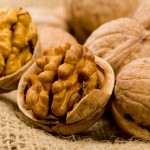
Honey and Walnuts: Nutritional Benefits and Safe Use

The combination of honey and walnuts is a staple in many traditional diets, particularly in Balkan and Mediterranean regions, where it symbolizes health and vitality. While rooted in cultural practices, modern science is beginning to validate the nutritional synergy of these two powerful ingredients. As a phytotherapy specialist, it’s crucial to separate folk wisdom from evidence-based benefits and provide clear guidelines for safe consumption.

This article explores the scientifically supported benefits of honey and walnuts, explains their mechanisms of action, and provides essential safety protocols, eliminating outdated or unsubstantiated claims.

Honey and Walnuts – A Complete Energy Fusion

The Nutritional Powerhouse: A Scientific Look

The health benefits of this combination stem from the distinct and complementary profiles of each ingredient. Instead of being a “miracle cure,” it is a nutrient-dense food that can support overall wellness when incorporated into a balanced diet.

Walnuts (Juglans regia): More Than Just a Nut

Walnuts are exceptionally nutritious, offering a unique composition of beneficial compounds. Importantly, they are one of the most significant plant-based sources of omega-3 fatty acids.

  • Alpha-Linolenic Acid (ALA): This is a plant-based omega-3 fatty acid known for its anti-inflammatory properties and its role in supporting cardiovascular health.
  • Polyphenols: Walnuts are rich in powerful antioxidants, including ellagitannins and flavonoids, which help combat oxidative stress in the body.
  • Vitamins and Minerals: They provide essential nutrients such as copper, manganese, magnesium, phosphorus, and B vitamins, which are vital for energy metabolism and neurological function.

Honey: Nature’s Functional Food

Raw, unprocessed honey is more than just a sweetener. Indeed, it contains a complex mix of bioactive compounds.

  • Antioxidants: Darker honey varieties are particularly rich in phenolic acids and flavonoids, which contribute to its antioxidant capacity.
  • Prebiotic Properties: The oligosaccharides in honey can act as prebiotics, feeding beneficial gut bacteria and supporting a healthy digestive system.
  • Enzymes and Amino Acids: It contains enzymes like diastase and invertase, which aid digestion, along with various amino acids.

Evidence-Based Benefits of Honey and Walnuts

While traditional medicine used this combination for a wide range of ailments, modern research focuses on a few key areas. It is crucial to understand that this mixture *supports* bodily functions rather than “treating” specific diseases.

1. Cardiovascular Health Support

The most significant benefit lies in supporting heart health. According to a meta-analysis published in the American Journal of Clinical Nutrition, regular walnut consumption is associated with improved endothelial function and lower levels of total and LDL (“bad”) cholesterol. Furthermore, the ALA in walnuts helps reduce inflammation, a key factor in cardiovascular disease. Honey’s antioxidants may also contribute by protecting LDL cholesterol from oxidation, a critical step in the development of atherosclerosis.

2. Cognitive Function and Brain Health

The combination of omega-3s, polyphenols, and antioxidants in walnuts makes them a premier “brain food.” Research suggests these compounds may help reduce oxidative stress and inflammation in the brain. For instance, a study in the Journal of Nutrition, Health & Aging indicated that higher walnut consumption was associated with better cognitive performance in adults. Honey provides a readily available source of glucose, the brain’s primary fuel, which can support short-term cognitive tasks.

3. Energy and Nutritional Support

This mixture is calorically dense and rich in healthy fats, proteins, and natural carbohydrates, making it an excellent source of sustained energy. For this reason, it is traditionally recommended for individuals recovering from illness or experiencing fatigue. However, due to its high calorie content, moderation is key.

Administration Protocol and Safety Limits

To benefit from this combination without adverse effects, it is essential to adhere to strict consumption guidelines. This is a functional food, not a medicine to be taken in large quantities.

Protocol Guideline and Rationale
Maximum Daily Dose 1 to 2 tablespoons (approx. 15-30 grams) of the mixture per day for a healthy adult. This provides nutritional benefits without excessive sugar or calorie intake.
Consumption Method Consume as part of a meal (e.g., with yogurt, oatmeal) or as a small snack. Avoid taking it on an empty stomach if you have blood sugar sensitivities.
Duration of Use Can be consumed regularly as part of a balanced diet. It is not intended for short-term, high-dose “treatment cycles.”
Overdose Risk Exceeding the recommended dose regularly can lead to unwanted weight gain, elevated blood sugar levels, and digestive discomfort.

Specific Biological Limitation

The primary limitation of the honey and walnut combination is its high caloric and glycemic load. Honey is composed mainly of fructose and glucose, which can cause a rapid spike in blood sugar levels. While the fat and fiber from walnuts can slow this absorption, individuals with insulin resistance, pre-diabetes, or diabetes must exercise extreme caution. The high energy density means that even small portions contribute significantly to daily calorie intake, which can be counterproductive for weight management goals.

Contraindications and Precautions

This combination is not safe for everyone. Please review the following contraindications carefully.

  • Tree Nut Allergy: Individuals with a known allergy to walnuts or other tree nuts must avoid this mixture completely. Reactions can be severe and life-threatening.
  • Infants Under 1 Year: Honey should never be given to children under 12 months of age due to the risk of infant botulism, a rare but serious paralytic illness caused by Clostridium botulinum spores.
  • Diabetes and Metabolic Syndrome: Due to the high sugar content of honey, individuals with diabetes or poor glycemic control should consult their healthcare provider before consumption. If approved, it must be consumed in very small quantities and accounted for in their daily carbohydrate intake.
  • Pollen Allergies: Those with severe pollen allergies may react to raw honey, which can contain trace amounts of pollen.

Therapeutic Alternatives

If honey and walnuts are not suitable for you, other functional foods offer similar benefits:

  1. For Cardiovascular Support: A combination of ground flaxseed and berries. Flaxseed is another excellent source of ALA, while berries provide potent antioxidants (anthocyanins) with less sugar than honey.
  2. For Cognitive Health: Oily fish (like salmon or sardines) and dark chocolate (>70% cacao). Oily fish provide the more potent omega-3s (EPA and DHA), while dark chocolate contains flavanols that support blood flow to the brain.
  3. For Natural Energy: Dates stuffed with almonds. This combination provides natural sugars for quick energy, plus fiber, protein, and healthy fats from almonds for sustained release, similar to the honey-walnut mix.

Note: Each alternative has its own set of contraindications and should be consumed as part of a balanced diet.

Recent Medical Research (2020-2026)

Recent studies continue to reinforce the benefits of walnuts, particularly for gut and brain health.

  • A 2023 study published in Nutrients found that daily walnut consumption positively modulated the gut microbiome, increasing the abundance of beneficial bacteria known to produce anti-inflammatory compounds.
  • Research from 2022 in Clinical Nutrition highlighted that long-term walnut intake as part of a healthy diet could delay cognitive decline in at-risk elderly populations.

However, research on the synergistic effects of combining honey and walnuts is still limited. Most evidence is extrapolated from studies on the individual components. More clinical trials are needed to understand their combined impact specifically.

Specialist’s Summary

The combination of honey and walnuts is a nutrient-dense food that can support cardiovascular and cognitive health when consumed in strict moderation (1-2 tablespoons daily). Its primary benefits come from the walnuts’ omega-3 fatty acids and the antioxidants present in both ingredients. However, it is contraindicated for individuals with nut allergies, infants under one, and requires extreme caution for those with diabetes due to its high sugar and calorie content. Validated alternatives include flaxseed with berries for heart health or oily fish for brain function.

Frequently Asked Questions

1. How much honey and walnuts can I eat daily for health benefits?
A safe and effective amount for most healthy adults is one to two tablespoons of the mixture per day. Exceeding this can contribute to excessive sugar and calorie intake, negating the potential benefits.

2. Can eating honey and walnuts help lower my cholesterol?
Walnuts, as part of a heart-healthy diet, have been shown in numerous studies to help lower LDL (“bad”) cholesterol. While this mixture can contribute to that goal, it cannot replace medical treatment or a comprehensive dietary strategy. Consult your doctor for managing high cholesterol.

3. Is this combination good for weight loss?
No, it is not a weight-loss food. Due to its high calorie density, overconsumption can easily lead to weight gain. It should be used as a nutrient-dense substitute for less healthy snacks, not as an addition to your current diet if you are trying to lose weight.

4. Is honey and walnuts safe for people with diabetes?
It is generally not recommended without medical supervision. The high sugar content in honey can cause significant spikes in blood glucose. A healthcare provider or registered dietitian must approve its use and determine a safe portion size that fits within a diabetic meal plan.

Sources and References

  • Guasch-Ferré, M., et al. (2022). Walnut consumption and cognitive performance in the PREDIMED-Plus study. Clinical Nutrition.
  • Bamberger, C., et al. (2023). The Effects of Walnuts on the Gut Microbiota in Healthy Adults: A Randomized Controlled Trial. Nutrients.
  • Kris-Etherton, P. M. (2014). Walnuts and cardiovascular disease. Journal of Nutrition.
  • Del Gobbo, L. C., et al. (2016). Effects of tree nuts on blood lipids, apolipoproteins, and blood pressure: systematic review, meta-analysis, and dose-response of 61 controlled intervention trials. The American journal of clinical nutrition.

⚠️ Important Medical Information

This article is for educational and informational purposes only and is not intended as medical advice, diagnosis, or treatment. The information provided about Honey and Walnuts is based on traditional use, preliminary research, and available scientific evidence, which may be limited.

Before using Honey and Walnuts for health purposes:

  • Consult a qualified healthcare provider, especially if you are pregnant, breastfeeding, taking medications, or have existing health conditions like diabetes or nut allergies.
  • Do not use as a substitute for prescribed medications or professional medical treatment.
  • Individual results may vary – what works for one person may not work for another.
  • Monitor for adverse reactions and discontinue use if negative symptoms occur.


Read more about:

If you like it, share it

[mashshare]

Post comment

Your email address will not be published. Required fields are marked *.