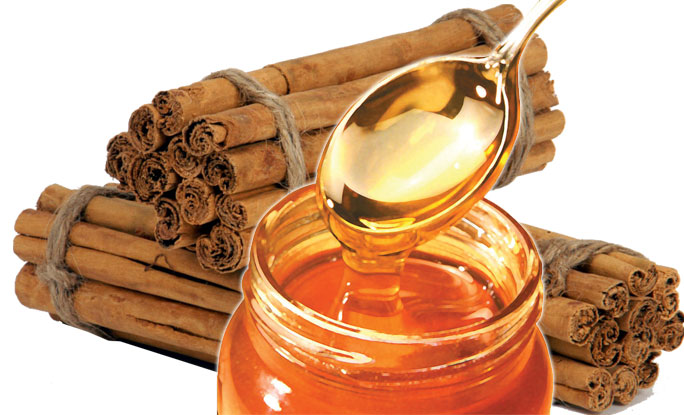
The Therapeutic Potential of Honey and Cinnamon: An Evidence-Based Guide

by Andreea Smiterson
3 comments
A+A-
Reset

The combination of honey and cinnamon holds a significant place in traditional medicine systems like Ayurveda and Traditional Chinese Medicine. Modern science has begun to investigate these claims, confirming that both ingredients possess notable therapeutic properties. Specifically, their synergistic effects are attributed to potent antimicrobial, anti-inflammatory, and antioxidant compounds. However, understanding their proper application, dosage, and inherent biological limitations is crucial for safe and effective use. This guide provides a professional evaluation of their validated benefits and essential safety protocols.

⚠️ CRITICAL WARNING – Risk of Liver Toxicity from Common Cinnamon!

It is essential to distinguish between the two main types of cinnamon. Cassia cinnamon, the most common and inexpensive variety found in supermarkets, contains high levels of coumarin, a compound that can cause liver damage (hepatotoxicity) with regular or high-dose consumption. In contrast, Ceylon cinnamon (“true cinnamon”) contains negligible amounts of coumarin and is the recommended choice for therapeutic use. Always verify the type of cinnamon before starting any regular consumption protocol.

Validated Therapeutic Applications

While traditional claims are broad, scientific evidence supports the use of honey and cinnamon for specific adjunctive purposes. It is important to note that this combination is a supportive therapy and not a replacement for conventional medical treatment.

1. Antimicrobial and Wound Healing Support (Topical)

Both honey and cinnamon exhibit powerful antimicrobial properties. For instance, high-quality raw honey creates an osmotic effect that dehydrates bacteria, while its glucose oxidase enzyme produces hydrogen peroxide, a natural antiseptic. Furthermore, cinnamon’s primary active component, cinnamaldehyde, is effective against various bacteria and fungi. Consequently, this combination can be applied topically to support the healing of minor cuts, scrapes, and acne lesions.

    • For Minor Skin Blemishes (Acne): Prepare a paste using one teaspoon of Ceylon cinnamon powder and three teaspoons of raw, unpasteurized honey. After performing a patch test on a small area of skin to rule out irritation, apply a small amount directly to the blemish. Leave it on for 20-30 minutes before rinsing with lukewarm water. Do not use this on open or infected wounds without medical consultation.

2. Anti-inflammatory and Antioxidant Effects

Chronic inflammation is a root cause of many diseases, including arthritis. Cinnamon is rich in polyphenols, potent antioxidants that help neutralize free radicals and reduce oxidative stress. Similarly, honey contains flavonoids that contribute to its anti-inflammatory action. Regular consumption may help modulate the body’s inflammatory response. Therefore, individuals with chronic inflammatory conditions like arthritis might find this combination beneficial as part of a comprehensive management plan.

    • Supportive Drink for Joint Discomfort: Mix one cup of warm (not boiling) water with one teaspoon of raw honey and half a teaspoon of Ceylon cinnamon powder. Consume this mixture once or twice daily, preferably in the morning.

3. Metabolic and Glycemic Support

Several studies suggest that cinnamon can improve insulin sensitivity and help regulate blood glucose levels. This makes it a potentially useful supplement for individuals managing metabolic syndrome or type 2 diabetes, under medical supervision. While honey is a source of sugar, its glycemic index is lower than that of refined sugar, and its bioactive compounds may offer metabolic benefits. As a result, this combination can be a healthier alternative to processed sugars, but it must be consumed in moderation.

    • Metabolic Support Drink: Dissolve half a teaspoon of Ceylon cinnamon powder and one teaspoon of raw honey in a cup of warm water or green tea. Drink this in the morning, 30 minutes before breakfast, to potentially aid in blood sugar regulation throughout the day.

Honey and Cinnamon – Powerful Remedy for Infections, Arthritis and Colds

Administration Protocol and Safety Limits

Treatment Duration

    • Standard Treatment Cycle: Consume daily for a maximum of 4-6 consecutive weeks.
    • Mandatory Break: Follow each treatment cycle with a mandatory break of at least 2 weeks. This helps prevent potential sensitivities and allows the body to reset.
    • Maximum Treatments Per Year: Do not exceed 6 treatment cycles per year without consulting a healthcare professional.

Quantity and Maximum Dose

    • Maximum Daily Dose (Healthy Adult): No more than 1 teaspoon (approximately 4 grams) of Ceylon cinnamon powder and 1-2 tablespoons of raw honey.
    • Overdose Risk (Cassia Cinnamon): Exceeding even 1/2 teaspoon of Cassia cinnamon daily over a prolonged period significantly increases the risk of liver damage due to coumarin accumulation. The tolerable daily intake of coumarin is approximately 0.1 mg per kg of body weight.

Administration Condition

    • Timing: For metabolic benefits, consume on an empty stomach 30 minutes before a meal. For general anti-inflammatory support, it can be taken between meals.
    • Method of Consumption: Always mix with lukewarm liquids (below 40°C or 104°F). Boiling water can destroy the beneficial enzymes in raw honey.
    • Additional Requirements: Maintain adequate hydration throughout the day. This combination does not replace a balanced diet and healthy lifestyle.

Specific Biological Limitation

Coumarin-Induced Hepatotoxicity (Liver Damage)

The primary biological limitation relates to the coumarin content in Cassia cinnamon. Coumarin is a naturally occurring compound that is metabolized by the liver via the CYP2A6 enzyme pathway. In susceptible individuals or at high concentrations, its metabolites can cause significant cellular damage, leading to elevated liver enzymes and, in severe cases, liver failure. This effect is dose-dependent and cumulative. For this reason, only Ceylon cinnamon, which contains trivial amounts of coumarin, is considered safe for regular therapeutic use.

Glycemic Impact

Despite its benefits, honey remains a significant source of simple sugars (fructose and glucose). Its consumption directly impacts blood glucose levels. While cinnamon may help mitigate this spike, individuals with diabetes, pre-diabetes, or insulin resistance must account for the carbohydrate content of honey in their daily meal plan and monitor their blood sugar levels closely. It is not a “free” food for those with glycemic control issues.

How to Choose Quality Ingredients

Cinnamon: Ceylon vs. Cassia

Criterion Ceylon Cinnamon (True Cinnamon) Cassia Cinnamon (Common)
Appearance Sticks are soft, brittle, and composed of many thin, paper-like layers. Color is light tan-brown. Sticks are very hard, thick, and have a hollow, single-layered roll. Color is dark reddish-brown.
Aroma & Taste Subtle, delicate, and sweet. Strong, spicy, and pungent.
Coumarin Content Very Low (~0.004%) – SAFE High (~1-5%) – POTENTIALLY TOXIC

Honey: Quality Criteria

    • Choose Raw and Unpasteurized: Pasteurization (heating) destroys most of the beneficial enzymes and antioxidants.
    • Look for Darker Varieties: Generally, darker honeys like buckwheat or manuka have a higher concentration of antioxidants than lighter ones.
    • Avoid “Honey Blends”: Purchase 100% pure honey from a reputable source to avoid products adulterated with corn syrup or other sugars.

Contraindications and Precautions

Absolute Contraindications

    • Allergy: Individuals with known allergies to honey, bee pollen, or cinnamon should avoid this combination entirely.
    • Liver Disease: People with pre-existing liver conditions (e.g., hepatitis, cirrhosis) must avoid Cassia cinnamon and use Ceylon cinnamon only under medical supervision.

Vulnerable Populations

    • Pregnancy and Breastfeeding: The use of cinnamon in therapeutic doses is not recommended due to a lack of safety data and the potential for uterine stimulation.
    • Infants and Children: Raw honey should never be given to infants under 12 months of age due to the risk of infant botulism. For children over one year, dosages should be significantly reduced.

Major Drug Interactions

    • Anticoagulants (Blood Thinners): The coumarin in Cassia cinnamon can potentiate the effects of drugs like warfarin, increasing the risk of bleeding.
    • Diabetes Medications: Since cinnamon can lower blood sugar, combining it with antidiabetic drugs may increase the risk of hypoglycemia. Blood glucose monitoring is essential.
    • Hepatotoxic Medications: Consuming Cassia cinnamon with other drugs known to affect the liver (e.g., acetaminophen, statins) may increase the risk of liver damage.

Quick Guide: Honey & Cinnamon Safety

Category Details
❌ Who should AVOID • Infants under 1 year old (honey)
• Pregnant or breastfeeding women
• Individuals with liver disease (especially Cassia)
• People with allergies to bee products or cinnamon
📊 Maximum safe dose Ceylon Cinnamon: 1 teaspoon/day
Cassia Cinnamon: Avoid for therapeutic use
Treatment Duration: 4-6 weeks max
Mandatory Break: 2 weeks
🚨 ALARM signs • Skin rashes or mouth sores (allergy)
• Yellowing of skin or eyes (jaundice)
• Episodes of low blood sugar (dizziness, sweating)
• Abdominal pain or discomfort
💊 Major interactions • Blood thinners (e.g., Warfarin)
• Diabetes medications
• Liver-metabolized drugs
⏱️ When to consult a doctor IMMEDIATELY if alarm signs appear OR
Before starting if you have any chronic condition.

💡 Golden rule: Always prioritize safety. Use Ceylon cinnamon and consult a healthcare provider before using this combination for therapeutic purposes.

Recent Medical Research (2020-2026)

Recent research continues to explore the mechanisms behind honey and cinnamon’s health benefits. A 2022 meta-analysis on cinnamon confirmed its favorable effects on glycemic control in patients with metabolic diseases. Similarly, studies on honey, such as a 2021 review, have highlighted its role in modulating the gut microbiome and its potent antibacterial properties, particularly Manuka honey. However, researchers emphasize that most human studies use standardized extracts rather than simple dietary preparations. Therefore, while promising, more large-scale clinical trials are needed to establish definitive dosages and long-term effects.

Therapeutic Alternatives

If the honey and cinnamon combination is not suitable for you, consider these validated alternatives:

    • For Anti-inflammatory Support: Turmeric (Curcuma longa), specifically its active compound curcumin, is a powerful anti-inflammatory agent with extensive research supporting its use for joint pain and systemic inflammation.
    • For Metabolic Support: Berberine, a compound extracted from several plants, has demonstrated significant effects on improving insulin sensitivity and lowering blood sugar, often comparable to conventional medications.
    • For Topical Antimicrobial Use: Tea Tree Oil (Melaleuca alternifolia), properly diluted in a carrier oil, is a potent topical antiseptic for managing acne and minor skin infections.

Specialist’s Summary

The combination of Ceylon cinnamon and raw honey offers moderate supportive benefits for metabolic health, inflammation modulation, and topical antimicrobial care. Its efficacy is dependent on using high-quality ingredients, particularly avoiding coumarin-rich Cassia cinnamon. It is contraindicated for infants, pregnant women, and individuals with liver disease or specific allergies. Due to interactions with diabetes and anticoagulant medications, medical consultation is essential before beginning regular use.

Frequently Asked Questions

Can honey and cinnamon cure arthritis or diabetes?

No. Honey and cinnamon cannot cure chronic diseases like arthritis or diabetes. They may serve as a supportive therapy to help manage symptoms, such as reducing inflammation or improving glycemic control, but they are not a substitute for prescribed medical treatments and lifestyle modifications.

How long does it take to see results?

Effects are not immediate. For metabolic support, subtle changes in blood sugar levels might be observable within a few weeks of consistent use. For anti-inflammatory benefits, it may take 4-6 weeks to notice a reduction in mild symptoms. Results vary greatly among individuals.

Is it safe to take honey and cinnamon every day indefinitely?

No, it is not recommended. Continuous daily use without breaks is discouraged. A protocol of 4-6 weeks on, followed by a 2-week break, is a safer approach to prevent potential adverse effects and sensitivities.

What is a safer alternative to Cassia cinnamon?

The safest and most recommended alternative is Ceylon cinnamon (“true cinnamon”). It provides the therapeutic benefits of cinnamon without the risk of liver toxicity from coumarin, making it the ideal choice for any form of regular consumption.

Sources and References

    • Zare, R., et al. (2022). The effect of cinnamon on glycemic control in patients with metabolic diseases: A systematic review and meta-analysis of randomized controlled trials. Frontiers in Nutrition.
    • Cianciosi, D., et al. (2021). Honey and Gut Microbiota: A Review. Foods.
    • European Medicines Agency (EMA). Community herbal monograph on Cinnamomum verum J. Presl, cortex.
    • World Health Organization (WHO). Monographs on Selected Medicinal Plants.


You may also like

3 comments

Vanetia December 1, 2014 - 01:15

I had terrible acne and I started using cinnamon and honey paste. It eats the acne from the root, I am acne free.

Reply
Jacky Marais
Jacky Marais December 2, 2014 - 06:34

Thanks for all the tips

Reply
John Mathena
John Mathena December 2, 2014 - 14:37

add some moon shine and it will really help you

Reply

Leave a Comment