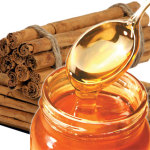
The combination of honey and cinnamon has been valued in traditional medicine for centuries, from Ayurveda to folk remedies. While modern wellness trends often highlight this pairing, it is crucial to separate scientifically supported benefits from exaggerated claims. As a phytotherapy specialist, this article will provide an evidence-based overview of the potential health properties of honey and cinnamon, their mechanisms of action, and essential safety protocols for their use.
This information is for educational purposes and should not replace professional medical advice. Always consult a healthcare provider before using natural remedies for health conditions.
Potential Health Benefits: What Research Suggests
While honey and cinnamon are not a cure for any disease, preliminary research indicates they possess properties that may support overall health when incorporated into a balanced diet. However, many of the studies are preclinical or small-scale, and more robust human trials are needed.
1. Antioxidant and Anti-inflammatory Properties
Both honey and cinnamon are rich in bioactive compounds that contribute to their health-promoting effects.
- Honey: Raw, unprocessed honey is a source of flavonoids and polyphenols, which act as powerful antioxidants. According to research published in the journal Foods, these compounds help neutralize harmful free radicals in the body, thereby reducing oxidative stress, a key factor in chronic inflammation and aging.
- Cinnamon: The primary active component in cinnamon, cinnamaldehyde, has demonstrated significant anti-inflammatory effects in laboratory studies. It may help modulate inflammatory pathways in the body, although its effects from dietary consumption are still being investigated.
Traditional Use: Historically, a warm drink of honey and cinnamon was used to soothe sore throats and coughs, leveraging these anti-inflammatory and antimicrobial properties for symptomatic relief.

2. Support for Metabolic Health
One of the most studied areas for this combination is its potential role in metabolic function. It is important to note, however, that this does not constitute a treatment for diabetes or high cholesterol.
- Blood Sugar Regulation: Several studies suggest that cinnamon may improve insulin sensitivity and help lower fasting blood glucose levels. For instance, a meta-analysis in the Journal of the Endocrine Society found that cinnamon supplementation showed potential benefits in managing glycemic control. Honey, despite being a sugar, has a lower glycemic index than refined sugar and may have a less dramatic impact on blood sugar levels when used in moderation as a substitute.
- Cholesterol and Triglycerides: Some clinical trials indicate that regular intake of cinnamon may contribute to a modest reduction in total cholesterol, LDL (“bad”) cholesterol, and triglycerides. The effect is not significant enough to replace prescribed medication but may support a heart-healthy lifestyle.
3. Antimicrobial Activity
Both ingredients have well-documented antimicrobial properties.
- Honey: Medical-grade honey is used in clinical settings for wound dressing due to its ability to inhibit bacterial growth. This is attributed to its low pH, high sugar concentration, and the presence of hydrogen peroxide and other antibacterial compounds.
- Cinnamon: Cinnamaldehyde has shown strong activity against various bacteria, yeasts, and fungi in lab settings.
Practical Application: For minor coughs and sore throats, a teaspoon of honey can act as a demulcent, soothing irritated tissues. The addition of cinnamon may provide complementary antimicrobial effects.
Administration Protocol and Safety Limits
Safe consumption requires adherence to specific guidelines, particularly concerning the type of cinnamon and daily dosage.
1. Choose the Right Type of Cinnamon
There are two main types of cinnamon, and their safety profiles differ significantly:
- Cassia Cinnamon: The most common and inexpensive type. It contains high levels of coumarin, a compound that can be toxic to the liver in large doses.
- Ceylon (“True”) Cinnamon: Contains negligible amounts of coumarin, making it the safer choice for regular consumption.
2. Dosage and Duration
| Ingredient | Maximum Daily Dose (Healthy Adult) | Important Notes |
|---|---|---|
| Cassia Cinnamon | Up to 1 teaspoon (approx. 2-4 grams) | Not recommended for daily, long-term use due to coumarin content. Use should be intermittent. |
| Ceylon Cinnamon | Up to 1.5 teaspoons (approx. 6 grams) | Considered safe for regular, long-term consumption. |
| Honey | 1-2 tablespoons (15-30 ml) | Remember that honey is a form of sugar and should be accounted for in your daily caloric and sugar intake. |
Treatment Duration: If using for therapeutic support, limit consistent daily intake to 4-6 weeks, followed by a 2-week break to assess effects and prevent potential sensitivities.
Specific Biological Limitation
Coumarin-Induced Hepatotoxicity
The primary risk associated with this combination comes from the coumarin in Cassia cinnamon. Coumarin is a natural compound that can cause liver inflammation or damage in sensitive individuals or when consumed in high doses over extended periods. The Tolerable Daily Intake (TDI) for coumarin is set at 0.1 mg per kg of body weight. A single teaspoon of Cassia cinnamon can exceed this limit for a small adult or child. Therefore, individuals with pre-existing liver conditions should avoid Cassia cinnamon entirely and opt for Ceylon.
Contraindications and Precautions
Absolute Contraindications
- Infants under 1 year old: Honey can contain spores of Clostridium botulinum, which can cause infant botulism, a rare but serious illness.
- Allergies: Individuals with known allergies to honey, bee pollen, or cinnamon should avoid this combination.
- Liver Disease: People with liver conditions (e.g., hepatitis, cirrhosis) must avoid Cassia cinnamon.
Vulnerable Populations
- Pregnancy and Breastfeeding: While dietary amounts are generally safe, medicinal doses of cinnamon are not recommended due to a lack of safety data.
- Diabetes: Honey is a sugar and will affect blood glucose levels. Diabetics should consult their healthcare provider and monitor their blood sugar carefully if incorporating honey into their diet.
Major Drug Interactions
- Antidiabetic Drugs: Cinnamon may enhance the effect of medications for diabetes, potentially leading to hypoglycemia (low blood sugar). Monitor blood sugar levels closely.
- Anticoagulants (Blood Thinners): The coumarin in Cassia cinnamon has blood-thinning properties and may increase the risk of bleeding when taken with drugs like warfarin.
- Hepatotoxic Medications: Consuming Cassia cinnamon with other drugs known to affect the liver could increase the risk of liver damage.
Therapeutic Alternatives
If honey and cinnamon are not suitable for you, consider these validated alternatives for similar health goals:
- For Metabolic Support: Berberine, a compound found in plants like Goldenseal and Oregon Grape, has been extensively studied for its ability to improve insulin sensitivity and lower blood sugar and cholesterol levels. It should only be used under medical supervision.
- For Anti-inflammatory Effects: Turmeric (Curcuma longa), with its active compound curcumin, is a potent anti-inflammatory agent. Combining it with black pepper (piperine) significantly enhances its absorption.
- For Soothing Coughs: Marshmallow Root (Althaea officinalis) is a classic demulcent herb. A tea or syrup made from the root creates a soothing film over irritated mucous membranes in the throat.
Recent Medical Research (2020-2026)
Modern science continues to explore the mechanisms behind these traditional remedies.
- A 2023 review published in Nutrients highlighted the diverse roles of honey’s bioactive compounds, confirming its antioxidant, anti-inflammatory, and antimicrobial activities, and suggesting its potential in managing metabolic syndrome.
- Research in the International Journal of Food Science in 2022 explored cinnamon’s potential to modulate gut microbiota, which may contribute to its metabolic benefits. However, the authors noted that most evidence comes from animal studies, and human data remains limited.
Current Limitations: The majority of compelling evidence for the combination of honey and cinnamon comes from in-vitro or animal studies. Large-scale, long-term human clinical trials are necessary to confirm many of the health claims and establish standardized, effective dosages.
Specialist’s Summary
Honey and Ceylon cinnamon can be a beneficial addition to a healthy diet, primarily for their antioxidant and mild anti-inflammatory properties, with potential supportive roles in metabolic health. Their use is contraindicated in infants, individuals with liver disease (for Cassia type), and those with specific allergies. They can interact moderately with antidiabetic and anticoagulant medications. Validated alternatives like Turmeric for inflammation or Berberine for metabolic support offer more targeted action.
Frequently Asked Questions
1. Is it safe to eat honey and cinnamon every day?
Daily consumption can be safe if you use Ceylon cinnamon and consume honey in moderation (1-2 tablespoons). Daily use of Cassia cinnamon is not recommended due to its high coumarin content, which poses a risk to liver health over time.
2. Can honey and cinnamon cure diabetes or heart disease?
No. There is no scientific evidence that honey and cinnamon can cure any chronic disease. They may offer supportive benefits for blood sugar and cholesterol management as part of a comprehensive treatment plan prescribed by a doctor, but they are not a substitute for medication or medical care.
3. How should I consume honey and cinnamon for health benefits?
The simplest way is to mix half a teaspoon of Ceylon cinnamon powder with a teaspoon of raw honey and add it to warm (not boiling) water, tea, or oatmeal. Applying high heat can degrade some of the beneficial enzymes in raw honey.
Sources and References
- Zulkhairi Amin, F. A., & Sabri, S. (2023). Therapeutic Properties of Honey and Its Bioactive Compounds on Obesity and Its Associated Diseases: A Systematic Review. Nutrients, 15(5), 1293. https://www.ncbi.nlm.nih.gov/pmc/articles/PMC9963177/
- Dey, D., & Ghosh, A. (2022). Cinnamon (Cinnamomum spp.) as a potential nutraceutical: a review of its health-promoting properties and underlying mechanisms. International Journal of Food Science, 2022, 5971661. https://www.hindawi.com/journals/ijfs/2022/5971661/
- World Health Organization (WHO). (2010). Monographs on Selected Medicinal Plants – Volume 4. [Cortex Cinnamomi].
⚠️ Important Medical Information
This article is for educational and informational purposes only and is not intended as medical advice, diagnosis, or treatment. The information provided about Honey and Cinnamon is based on traditional use, preliminary research, and available scientific evidence, which may be limited.
Before using Honey and Cinnamon:
- Consult a qualified healthcare provider, especially if you are pregnant, breastfeeding, taking medications, or have existing health conditions like diabetes or liver disease.
- Do not use as a substitute for prescribed medications or professional medical treatment.
- Individual results may vary – what works for one person may not work for another.
- Monitor for adverse reactions and discontinue use if negative symptoms occur.
Regulatory status: Honey and Cinnamon are considered foods/dietary supplements and have not been evaluated by the FDA for treating, curing, or preventing any disease.
4 comments
have both in cereal, does that count
I drink it
And use coconut oil instead of butter on toast. It’s delicious!!
Ashleigh Chew