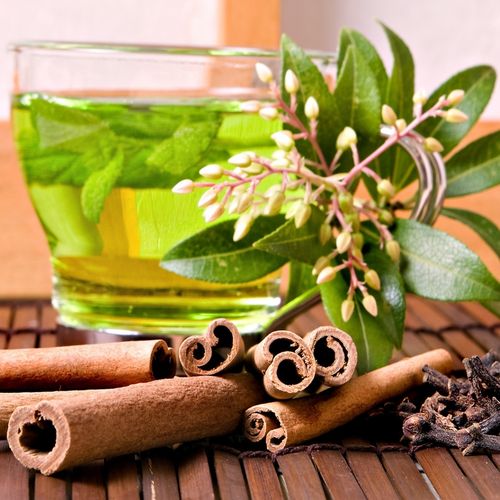
Green Tea & Cinnamon for Blood Sugar: Benefits & Safety

by Andreea Smiterson
0 comments
A+A-
Reset

This article explores the traditional use and emerging scientific evidence for combining green tea and cinnamon as a supportive measure for metabolic health. It is crucial to understand that while these natural ingredients show promise, they are not a cure for diabetes nor a substitute for prescribed medical treatment. Therefore, always consult a healthcare provider before incorporating them into your wellness routine, especially if you have an existing health condition.

Green Tea with Cinnamon for blood sugar support

The Science Behind Green Tea and Cinnamon for Metabolic Support

The potential benefits of this combination stem from the distinct bioactive compounds found in each ingredient. Instead of “treating” diabetes, these compounds may help support the body’s natural metabolic processes.

Green Tea (Camellia sinensis)

Green tea is rich in powerful antioxidants called catechins, with epigallocatechin gallate (EGCG) being the most researched. According to research published in journals like Antioxidants, EGCG may support metabolic health in several ways:

  • Improved Insulin Sensitivity: EGCG may help cells become more responsive to insulin, allowing for more efficient glucose uptake from the bloodstream.
  • Antioxidant Action: Furthermore, its potent antioxidant properties help combat oxidative stress, a key factor in the complications associated with chronic high blood sugar.
  • Thermogenic Properties: Additionally, green tea is known to have a mild thermogenic effect, which can support fat metabolism and contribute to healthy weight management, a crucial aspect of diabetes care.

Cinnamon (Cinnamomum spp.)

Cinnamon contains active compounds like cinnamaldehyde, which have been studied for their effects on blood glucose. Studies suggest cinnamon may work through these mechanisms:

  • Mimicking Insulin: Certain compounds in cinnamon can mimic the action of insulin, directly stimulating glucose uptake by cells.
  • Slowing Gastric Emptying: It can also slow the rate at which the stomach empties after a meal. Consequently, this helps prevent sharp spikes in blood sugar levels.
  • Enhancing Glucose Metabolism: Research indicates that cinnamon may improve the efficiency of how the body metabolizes sugar within cells.

Safe Preparation of Green Tea with Cinnamon

The original recipe’s suggestion of 20 grams of green tea is excessively high and could lead to significant side effects from caffeine. For this reason, a safe and effective preparation is essential.

Ingredients:

  • 1 green tea bag or 1 teaspoon (approx. 2-3 grams) of loose-leaf green tea
  • ½ teaspoon of Ceylon cinnamon powder (“true” cinnamon)
  • 250 ml (approx. 8 oz) of hot, but not boiling, water (about 80°C / 175°F)

Instructions:

  1. Heat the water until it is hot but not at a rolling boil, as boiling water can make green tea taste bitter.
  2. Place the green tea and cinnamon powder in a mug or teapot.
  3. Pour the hot water over the ingredients and cover.
  4. Let it infuse for 3-5 minutes. Infusing for longer can increase bitterness.
  5. Strain the tea (if using loose leaves) and sip slowly.

Administration Protocol and Safety Limits

Treatment Duration

  • Treatment cycle: Consume for up to 30 consecutive days.
  • Mandatory break: Follow with a mandatory break of at least 14 days before resuming.
  • Maximum treatments per year: It is advisable not to exceed 6 cycles per year to prevent potential long-term side effects.

Quantity and Maximum Dose

  • Maximum daily dose for a healthy adult: 2 cups of this tea per day.
  • Dose per administration: 1 cup (250 ml) per serving.
  • Overdose risk: Exceeding 3 cups per day may lead to caffeine-related side effects like anxiety, insomnia, or heart palpitations. Moreover, excessive cinnamon intake, particularly Cassia cinnamon, can pose risks to liver health.

Administration Condition

  • Timing: For best results in managing blood sugar, consume this tea with or shortly after a meal. This can help blunt the post-meal glucose spike.
  • Method of consumption: Sip slowly. Do not consume on an empty stomach if you are prone to acid reflux or stomach sensitivity.
  • Hydration: Green tea is a diuretic. Therefore, ensure you maintain adequate water intake throughout the day.

Specific Biological Limitation

Coumarin Content in Cinnamon

A critical distinction must be made between the two main types of cinnamon: Ceylon (Cinnamomum verum) and Cassia (Cinnamomum cassia). Cassia cinnamon, the most common and inexpensive variety, contains significant amounts of a compound called coumarin. In sensitive individuals or at high doses, coumarin can be hepatotoxic (cause liver damage).

Technical warning: Individuals with pre-existing liver conditions should avoid Cassia cinnamon entirely. For long-term use, it is strongly recommended to use Ceylon cinnamon, which contains only trace amounts of coumarin and is considered much safer for regular consumption.

Contraindications and Precautions

Absolute Contraindications (Forbidden)

  • Liver Disease: Individuals with cirrhosis, hepatitis, or any impaired liver function should avoid regular use of Cassia cinnamon.
  • Bleeding Disorders: Both green tea (due to Vitamin K) and cinnamon can have mild anti-platelet effects. Consequently, they should be avoided by individuals with bleeding disorders.
  • Allergy: Do not consume if you have a known allergy to cinnamon or green tea.

Vulnerable Populations

  • Pregnancy and Breastfeeding: High doses of cinnamon may act as a uterine stimulant. Caffeine from green tea passes into breast milk. Therefore, both should be avoided or used only under strict medical supervision.
  • Children: Not recommended for children under 12 due to caffeine content and lack of safety data.

Major Drug Interactions

  • Diabetes Medications (e.g., Metformin, Insulin): This tea can lower blood sugar. Combining it with diabetes medication may increase the risk of hypoglycemia (dangerously low blood sugar). Monitor blood sugar levels closely and consult your doctor.
  • Anticoagulants/Antiplatelets (e.g., Warfarin, Aspirin): Green tea contains Vitamin K, which can interfere with Warfarin. Both ingredients may enhance the blood-thinning effect of these drugs, increasing bleeding risk.
  • Hepatotoxic Medications: Avoid using Cassia cinnamon with other drugs known to affect the liver, as this could compound the risk of liver damage.

Therapeutic Alternatives

If green tea with cinnamon is not suitable for you, several other botanicals have been studied for their role in supporting metabolic health. However, each has its own safety profile.

  1. Berberine: Found in plants like Goldenseal and Oregon Grape, berberine is a well-researched compound that helps activate an enzyme called AMPK, which plays a central role in energy metabolism and improving insulin sensitivity.
  2. Fenugreek (Trigonella foenum-graecum): The seeds are rich in soluble fiber, which slows down the digestion and absorption of carbohydrates, thus helping to manage blood sugar spikes after meals.
  3. Gymnema Sylvestre: Known in Ayurvedic tradition as the “sugar destroyer,” this herb may help reduce sugar absorption from the intestines and enhance the function of insulin-producing cells in the pancreas.

Recent Medical Research (2020-2026)

Modern research continues to validate the traditional uses of these ingredients while clarifying their mechanisms and limitations.

Current Limitations: While promising, much of the research involves concentrated extracts rather than brewed tea. Therefore, the effects of the tea may be more modest. More large-scale human trials are needed to establish definitive dosage and long-term efficacy.

Specialist’s Summary

Green tea with cinnamon can be a useful dietary addition for supporting metabolic health and blood sugar regulation, primarily through improving insulin sensitivity and antioxidant action. However, its effects are supportive, not curative, and appear gradually over weeks. It is contraindicated for individuals with liver conditions or on blood-thinning medications, with the primary risk being the coumarin in Cassia cinnamon. Validated alternatives with different mechanisms include Berberine and Fenugreek.

Frequently Asked Questions

Can green tea with cinnamon replace my diabetes medication?
Absolutely not. This tea is a complementary dietary strategy, not a medical treatment. Never stop or alter your prescribed medication without consulting your doctor. Doing so can lead to dangerous health complications.

Which type of cinnamon is best and safest for this tea?
Ceylon cinnamon (“true cinnamon”) is the safest choice for regular consumption because it contains negligible amounts of coumarin, a compound that can harm the liver in high doses. Cassia cinnamon should be used sparingly, if at all.

How long will it take to see any effects on my blood sugar?
The effects of this tea are subtle and cumulative. You should not expect immediate or drastic changes. Consistent use over several weeks, combined with a healthy diet and exercise, may contribute to more stable blood sugar readings over time.

Sources and References

Recent Studies (2020-2026):

  1. Wang, X., et al. (2021). Green tea consumption and the risk of type 2 diabetes: a systematic review and dose-response meta-analysis. Nutrients, 13(6), 2049.
  2. Deyno, S., et al. (2020). Efficacy and safety of cinnamon in type 2 diabetes mellitus and pre-diabetes patients: A meta-analysis and meta-regression. Clinical Nutrition ESPEN, 40, 1-12.

Official Monographs:

⚠️ Important Medical Information

This article is for educational and informational purposes only and is not intended as medical advice, diagnosis, or treatment. The information provided about Green Tea and Cinnamon is based on traditional use, preliminary research, and available scientific evidence, which may be limited.

Before using Green Tea with Cinnamon:

  • Consult a qualified healthcare provider, especially if you are pregnant, breastfeeding, taking medications (particularly for diabetes or blood thinning), or have existing health conditions like liver disease.
  • Do not use as a substitute for prescribed medications or professional medical treatment for diabetes.
  • Individual results may vary – what works for one person may not work for another.
  • Monitor for adverse reactions, such as signs of hypoglycemia or digestive upset, and discontinue use if negative symptoms occur.

Regulatory status: Green Tea and Cinnamon are considered foods/dietary supplements and have not been evaluated by the FDA for treating, curing, or preventing any disease.


You may also like

Leave a Comment