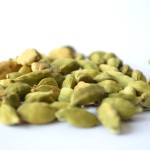
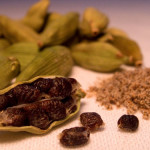
Cardamom Coffee Benefits: A Guide to Digestive and Oral Health

Combining coffee with cardamom is a practice rooted in Middle Eastern and Arabic cultures, cherished not only for its aromatic flavor but also for its traditional health applications. Cardamom (Elettaria cardamomum), a spice from the ginger family (Zingiberaceae), contains a wealth of volatile oils and compounds that may offer significant wellness benefits. However, it is crucial to understand both its potential advantages and its safety profile.

This article provides an evidence-based overview of cardamom coffee, explaining its traditional uses, the science behind its effects, a proper preparation method, and essential safety protocols for responsible consumption.

Coffee with Cardamom – Recipe with Antibiotic Properties

Traditional Preparation of Cardamom Coffee

Preparing this beverage correctly helps to infuse the beneficial compounds from the cardamom into the coffee. Here is a traditional and effective method.

Ingredients

  • 1 tablespoon of finely ground coffee
  • 1-2 green cardamom pods, lightly crushed, or a pinch of ground cardamom (approx. 1/8 teaspoon)
  • 1 cup (approx. 240 ml) of water
  • Sweetener (e.g., sugar, honey) to taste, if desired

Preparation Steps

  1. First, bring the water and sweetener (if using) to a boil in a small pot or ibrik (Turkish coffee pot).
  2. Once boiling, remove the pot from the heat. Immediately add the ground coffee and crushed cardamom pods or ground cardamom.
  3. Stir briefly to combine, then return the pot to low heat.
  4. Allow the coffee to slowly come to a boil until a foam (or “crema”) forms on the surface. As the foam rises, remove the pot from the heat to prevent it from boiling over.
  5. You may repeat the process of gently heating and removing from heat one more time to develop the flavor.
  6. Finally, pour the coffee slowly into a cup, allowing the grounds to settle at the bottom. The coffee is now ready to be enjoyed.

Evidence-Based Health Benefits of Cardamom

While traditional medicine has long valued cardamom, modern research is beginning to validate some of its historical uses. Importantly, these benefits are associated with the compounds in cardamom, not as a “cure” for any condition.

1. Supports Digestive Health

Cardamom is best known for its carminative properties, which means it may help prevent the formation of gas in the gastrointestinal tract or facilitate its expulsion. Consequently, it has been traditionally used to soothe indigestion, bloating, and stomach cramps. The primary active compound responsible for this effect is believed to be cineole. According to research published in the Journal of Ethnopharmacology, cineole has demonstrated gastroprotective effects, potentially helping to protect the stomach lining.

2. Promotes Oral Health

The strong, aromatic flavor of cardamom is not just for taste; it has a functional role in oral hygiene. Its potent antimicrobial properties can help combat common oral bacteria. For instance, studies indicate that cardamom extracts show inhibitory effects against pathogens like Streptococcus mutans, a primary contributor to dental caries, and Porphyromonas gingivalis, associated with gum disease. Therefore, consuming cardamom may help reduce bad breath (halitosis) and support overall oral microbial balance.

3. Provides Potent Antioxidants

Cardamom is rich in various antioxidants, including phenolic compounds, flavonoids, and essential oils like limonene and cineole. These substances help neutralize free radicals, which are unstable molecules that can cause oxidative stress, cellular damage, and contribute to chronic diseases and aging. Furthermore, by reducing oxidative stress, these antioxidants support overall cellular health and function.

4. May Offer Respiratory Support

In traditional systems like Ayurveda, cardamom is used as an expectorant to help relieve symptoms of coughs, colds, and congestion. The compound cineole is also found in other respiratory aids like eucalyptus oil and is known for its ability to help break up mucus and clear airways. While it is not a treatment for conditions like asthma or bronchitis, it may provide soothing support for minor respiratory discomfort.

Administration Protocol and Safety Limits

To use cardamom coffee safely and effectively, it is essential to adhere to clear guidelines regarding dosage and duration.

Guideline Recommendation
Maximum Daily Dose Limit consumption to 1-2 cups of cardamom coffee per day. The general safe limit for cardamom powder for a healthy adult is approximately 1.5 grams per day.
Treatment Duration For general wellness, daily consumption is acceptable. If using for a specific therapeutic purpose (e.g., digestive support), consider cycles of 3-4 weeks followed by a 1-week break.
Administration Timing Consume in the morning or early afternoon to avoid caffeine-related sleep disruption. If used for digestion, it can be consumed after a meal.
Overdose Risk Exceeding the recommended dose of cardamom over a prolonged period is not well-studied, but excessive intake could potentially lead to digestive upset or interact with medications.

Specific Biological Limitation

Risk for Individuals with Gallstones: Cardamom is known to stimulate bile secretion from the gallbladder, which aids in fat digestion. While this is beneficial for most people, it can be dangerous for individuals with pre-existing gallstones. The increased bile flow can cause a gallstone to become lodged in a bile duct, leading to a painful condition known as biliary colic. Therefore, individuals with a history of gallstones should avoid medicinal doses of cardamom.

Contraindications and Precautions

Before incorporating cardamom coffee into your routine, be aware of the following contraindications and potential interactions.

  • Absolute Contraindication: Individuals with known gallstone disease should not consume cardamom in amounts greater than those used in cooking.
  • Pregnancy and Breastfeeding: Culinary amounts of cardamom are generally considered safe. However, medicinal doses or supplements should be avoided due to a lack of sufficient safety data.
  • Children: Cardamom is safe for children in small, culinary amounts, but medicinal use is not recommended without professional guidance.
  • Drug Interactions:
    • Anticoagulants/Antiplatelets (e.g., Warfarin, Aspirin): In theory, high doses of cardamom could inhibit platelet aggregation, potentially increasing the risk of bleeding when combined with these medications. This interaction is largely theoretical but warrants caution.
    • Medications Metabolized by the Liver (CYP450 Substrates): Some research suggests cardamom may affect liver enzymes. Consult a healthcare provider if you are taking medications for which blood levels are critical.

Therapeutic Alternatives

If cardamom is not suitable for you, other botanicals offer similar benefits for digestion and oral health.

  1. Fennel (Foeniculum vulgare): An excellent carminative that helps relieve gas, bloating, and indigestion. Fennel tea is a gentle and effective alternative for digestive comfort.
  2. Anise (Pimpinella anisum): Similar to fennel, anise seeds contain anethole, a compound that helps relax the digestive tract and reduce cramping and bloating.
  3. Clove (Syzygium aromaticum): For oral health, clove is a powerful alternative. Its primary compound, eugenol, has strong antiseptic and analgesic properties, making it a traditional remedy for toothaches and gum inflammation.

Note: Each alternative has its own set of contraindications and should be researched before use.

Recent Medical Research (2020-2026)

Modern science continues to explore the properties of cardamom. Recent studies have focused on its metabolic and anti-inflammatory potential.

  • A 2023 systematic review published in the Journal of Herbal Medicine analyzed multiple clinical trials and concluded that cardamom supplementation may have beneficial effects on glycemic control and lipid profiles in individuals with metabolic disorders.
  • Research in Molecules (2022) highlighted the potent anti-inflammatory and antioxidant activities of cardamom’s essential oils, suggesting their potential role in mitigating inflammation-related conditions.

Current Limitations: Despite promising findings, most studies have been conducted in vitro, on animals, or with small human trials using concentrated extracts, not cardamom coffee. More large-scale human clinical trials are needed to confirm these effects and establish standardized dosages.

Specialist’s Summary

Cardamom is a valuable aromatic spice traditionally used to support digestion and promote oral health, with moderate evidence backing its antioxidant and anti-inflammatory effects. It is generally safe in culinary amounts, such as in coffee, but should be avoided in medicinal doses by individuals with gallstones. For digestive support, validated alternatives include fennel and anise, which work through similar carminative mechanisms.

Frequently Asked Questions

1. Can cardamom coffee help with weight loss?
There is no direct scientific evidence that drinking cardamom coffee causes weight loss. However, some preliminary research suggests that cardamom may support metabolic health. It can be included as part of a balanced diet and healthy lifestyle, but it is not a weight-loss remedy.

2. Is cardamom coffee better for you than regular coffee?
Cardamom coffee offers the potential benefits of cardamom’s compounds in addition to those of coffee. For some individuals, cardamom may also help neutralize some of the acidity of coffee, making it easier on the stomach. Whether it is “better” depends on individual health goals and tolerance.

3. How much cardamom is safe to add to coffee daily?
A typical and safe culinary amount is a pinch (about 1/8 teaspoon) of ground cardamom or 1-2 crushed pods per cup of coffee. Consuming 1-2 cups of coffee prepared this way per day is well within safe limits for most healthy adults.

4. Is cardamom safe during pregnancy?
Using cardamom in small amounts as a spice in food and beverages is generally considered safe during pregnancy. However, using medicinal amounts or concentrated cardamom supplements is not recommended due to a lack of safety research. Always consult with your healthcare provider before using any herbal product during pregnancy.

Sources and References

  1. Mahmoud, A. A. (2022). Cardamom (Elettaria cardamomum) Essential Oil: A Review on Its Chemistry, Pharmacology, and Therapeutic Potentials. Molecules, 27(18), 6034. https://www.mdpi.com/1420-3049/27/18/6034
  2. Daneshi-Maskooni, M., et al. (2023). The effects of cardamom supplementation on glycemic control, lipid profile, and anthropometric indices in patients with metabolic diseases: A systematic review and meta-analysis of clinical trials. Journal of Herbal Medicine, 40, 100698.
  3. Jamal, A., et al. (2006). Gastroprotective effect of cardamom, Elettaria cardamomum Maton. fruits in rats. Journal of Ethnopharmacology, 103(2), 149-153.

⚠️ Important Medical Information

This article is for educational and informational purposes only and is not intended as medical advice, diagnosis, or treatment. The information provided about Cardamom is based on traditional use, preliminary research, and available scientific evidence, which may be limited.

Before using Cardamom:

  • Consult a qualified healthcare provider, especially if you are pregnant, breastfeeding, taking medications, or have existing health conditions like gallstones.
  • Do not use as a substitute for prescribed medications or professional medical treatment.
  • Individual results may vary – what works for one person may not work for another.
  • Monitor for adverse reactions and discontinue use if negative symptoms occur.


Read more about:

If you like it, share it

[mashshare]

Post comment

Your email address will not be published. Required fields are marked *.