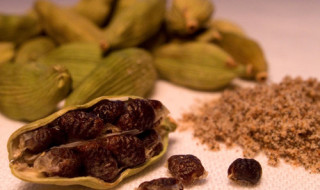
Cardamom, derived from the seeds of *Elettaria cardamomum*, is a highly prized spice with a complex aroma and flavor profile. Beyond its culinary applications, traditional medicine systems have long utilized it for various health purposes. Modern science is now investigating these traditional claims. Cardamom’s therapeutic potential is attributed to its rich composition of volatile oils, such as 1,8-cineole, α-terpinyl acetate, and limonene, as well as minerals like potassium and manganese. Furthermore, it possesses notable antioxidant, carminative, and antispasmodic properties, which form the basis for its health-supporting roles.

> ⚠️ **WARNING – Risk for Individuals with Gallstones!**
> *Cardamom may stimulate bile secretion (a cholagogue effect). While this can aid digestion, for individuals with existing gallstones, it could potentially trigger biliary colic—a painful condition caused by a stone lodging in a bile duct. Therefore, people with a history of gallstones should avoid medicinal doses of cardamom.*
Administration Protocol and Safety Limits
For therapeutic use, it is crucial to adhere to specific protocols to ensure both safety and efficacy. Culinary use is generally considered safe, but medicinal consumption requires careful management.
| Protocol | Specification |
|---|---|
| Treatment Duration | Up to 4 weeks of continuous use. |
| Mandatory Break | A minimum of 2 weeks is required between treatment cycles. |
| Maximum Daily Dose | 1.5 to 3 grams of ground cardamom powder for a healthy adult. |
| Administration Method | Consume as a tea (infusion of crushed seeds) or encapsulated powder. |
| Timing | Best taken after meals to support digestion and minimize potential gastric irritation. |
| Overdose Risk | Exceeding 5 grams per day may cause gastrointestinal distress, such as stomach upset or diarrhea. |
Key Health-Supporting Properties of Cardamom
1. Potent Antioxidant Activity
Cardamom is rich in phenolic compounds and flavonoids, which act as powerful antioxidants. These substances help neutralize free radicals, which are unstable molecules that can cause oxidative stress and damage cells. Consequently, by mitigating oxidative damage, cardamom may contribute to overall cellular health and support the body’s natural defense systems. This antioxidant capacity is fundamental to many of its other potential health benefits.
2. Supports Digestive Health
Traditionally, herbalists use cardamom to address digestive discomfort. Its carminative properties may help reduce bloating and flatulence by relaxing the muscles of the digestive tract. Moreover, cardamom appears to stimulate the secretion of bile, which is essential for the efficient digestion of fats. For this reason, consuming cardamom tea after a meal may help alleviate symptoms of indigestion and stomach cramping for some individuals.
3. May Contribute to Healthy Blood Pressure
Cardamom’s potential benefits for cardiovascular health are linked to its high potassium content and antioxidant properties. Potassium is a vital electrolyte that helps regulate blood pressure by counteracting the effects of sodium. Additionally, some preliminary human studies suggest that daily consumption of cardamom powder may help lower blood pressure in individuals with hypertension. However, it should never be used as a replacement for prescribed antihypertensive medication.
4. A Source of Essential Minerals
While not a primary treatment for anemia, cardamom can contribute valuable micronutrients to the diet. It contains iron, manganese, and copper, all of which are involved in the production of red blood cells and cellular energy metabolism. For instance, a nutritive tonic can be prepared by mixing a pinch of cardamom powder and a teaspoon of turmeric powder into a cup of warm milk. This beverage can complement a balanced diet aimed at preventing nutrient deficiencies but does not treat diagnosed anemia, which requires medical intervention.
5. Potential Role in Metabolic Wellness
Emerging research indicates that cardamom may play a supportive role in metabolic health. Studies have explored its effects on blood sugar levels, lipid profiles, and inflammation, particularly in individuals with metabolic syndrome or type 2 diabetes. The active compounds in cardamom may help improve insulin sensitivity and reduce inflammatory markers. As a result, incorporating cardamom into a healthy diet could be a beneficial complementary strategy for managing metabolic parameters, under the guidance of a healthcare professional.
Specific Biological Limitation
Cholagogue Effect: Cardamom contains compounds that stimulate the gallbladder to release bile, an action known as a cholagogue effect. This mechanism is beneficial for fat digestion in a healthy individual. However, it becomes a significant risk for people with cholelithiasis (gallstones). The increased bile flow can force a stone into the narrow bile duct, causing a painful obstruction and potentially leading to serious complications like cholecystitis or pancreatitis.
Contraindications and Precautions
Absolute Contraindications (Forbidden)
- Gallstone Disease: Strictly avoid medicinal doses due to the risk of inducing biliary colic.
Vulnerable Populations
- Pregnancy and Breastfeeding: While safe in culinary amounts, medicinal doses should be avoided due to a lack of sufficient safety data.
- Children: Not recommended for medicinal use in children under the age of 6. For older children, consult a qualified practitioner for appropriate dosing.
- Elderly: May be more sensitive to its effects on blood pressure; start with a lower dose.
Major Drug Interactions
- Anticoagulants and Antiplatelet Drugs (e.g., Warfarin, Aspirin): Theoretically, cardamom could inhibit platelet aggregation. Therefore, high doses might increase the risk of bleeding when combined with these medications.
- Antihypertensive Drugs: Due to its potential to lower blood pressure, combining it with blood pressure medication could lead to hypotension (abnormally low blood pressure). Monitor blood pressure closely.
- Drugs Metabolized by the Liver (CYP450 Substrates): Cardamom may affect certain liver enzymes, potentially altering the metabolism and effectiveness of various medications. Consult a pharmacist or doctor if you are on long-term medication.
When to Stop Immediately
Discontinue use and seek medical advice if you experience severe abdominal pain (especially in the upper right quadrant), skin rash, or difficulty breathing, as these could be signs of an allergic reaction or a gallstone-related issue.
Therapeutic Alternatives
If cardamom is not suitable for your condition, other validated options are available.
Botanical Alternatives with Studies
- Ginger (Zingiber officinale): An excellent alternative for digestive support, particularly for nausea and bloating. It also possesses potent anti-inflammatory properties.
- Peppermint (Mentha x piperita): Specifically useful for symptoms of Irritable Bowel Syndrome (IBS), such as cramping and gas, due to its antispasmodic effects on the gut.
Pharmacological Option
- For significant hypertension or diagnosed cardiovascular conditions, prescribed medications such as ACE inhibitors or beta-blockers are the standard of care. Phytotherapy should only be considered as a complementary, not a replacement, therapy under medical supervision.
Note: Each alternative has its own specific contraindications and safety profile.
Recent Medical Research (2020-2026)
Recent scientific inquiry has focused on cardamom’s metabolic and anti-inflammatory effects.
- A 2020 randomized controlled trial published in the *Journal of the Science of Food and Agriculture* found that green cardamom supplementation improved glycemic control, lipid profiles, and inflammatory markers in overweight or obese patients with non-alcoholic fatty liver disease.
- A 2023 systematic review and meta-analysis in *Phytotherapy Research* concluded that cardamom supplementation has favorable effects on certain cardiometabolic risk factors, including blood pressure and triglyceride levels, though more extensive trials are needed.
Current Limitations: Most human studies have been small and of short duration. We still need larger, long-term clinical trials to confirm these benefits and establish standardized, effective dosages for specific conditions.
Specialist’s Summary
Cardamom (*Elettaria cardamomum*) is a valuable spice with moderate evidence supporting its use for digestive comfort and as a complementary agent for managing blood pressure and metabolic parameters. Its primary benefits stem from its antioxidant and carminative properties, which typically manifest after several weeks of consistent use. It is strictly contraindicated for individuals with gallstones and requires caution when used alongside anticoagulant and antihypertensive medications. Validated botanical alternatives include ginger for digestive issues and hibiscus for blood pressure support.
Frequently Asked Questions
Is cardamom effective for weight loss?
There is no direct clinical evidence that cardamom causes significant weight loss. However, by supporting metabolic health and digestion, it can be a beneficial component of a comprehensive weight management plan that includes a balanced diet and regular exercise.
What is the safest way to consume cardamom for health benefits?
The safest approach is to incorporate it regularly into your cooking. For a more therapeutic effect, a tea made from 1-1.5 grams of freshly crushed seeds once or twice a day after meals is a safe starting point. Always adhere to the duration and dosage limits outlined in the administration protocol.
Can I take cardamom supplements instead of my blood pressure medication?
Absolutely not. Cardamom is not a substitute for prescribed medication. Abruptly stopping your medication can be dangerous. You may discuss using cardamom as a complementary therapy with your doctor, but it should never replace the primary treatment for a diagnosed medical condition like hypertension.
Sources and References
Recent Studies (2020-2026):
- Daneshi-Maskooni, M., et al. (2020). Green cardamom supplementation improves serum sirtuin-1, glycemic indices, and lipid profiles in overweight or obese patients with non-alcoholic fatty liver disease: a double-blind randomized placebo-controlled clinical trial. *Journal of the Science of Food and Agriculture*, 101(7), 2947-2954. https://pubmed.ncbi.nlm.nih.gov/33036493/
- Namazi, N., et al. (2023). The effects of cardamom supplementation on cardiometabolic risk factors: A systematic review and meta-analysis. *Phytotherapy Research*, 37(5), 2035-2049. https://www.ncbi.nlm.nih.gov/pmc/articles/PMC9963351/
Official Monographs:
- While not having a full monograph by the EMA or WHO for medicinal use, cardamom is widely recognized as safe (GRAS) for culinary use by agencies like the U.S. FDA.
1 comment
I love cardamom seeds. …should eat more. ….lovely warm aroma ….maybe good in cocktails ??