Herbal Support for Artery Health: A Scientific Look

by Andreea Smiterson
1 comment
A+A-
Reset

Our circulatory system, comprised of veins and arteries, functions as the body’s essential transport network. Specifically, arteries carry oxygen-rich blood from the heart to all tissues, while veins return it. However, maintaining the health of these vessels is crucial, as conditions like atherosclerosis can pose significant health risks.

This article provides an evidence-based overview of phytotherapeutic strategies that may support arterial health, focusing on herbs with documented scientific research. Importantly, this information is for educational purposes and should not replace professional medical advice or prescribed treatments for cardiovascular conditions.

Cleansing the Veins and Arteries from Deposits – 3 Natural Recipes

Understanding Atherosclerosis and Its Risks

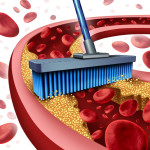
Atherosclerosis is a medical condition characterized by the buildup of fatty deposits, cholesterol, and other substances, collectively known as plaque, on the inner walls of arteries. Consequently, this buildup causes the arteries to narrow and harden, which can restrict blood flow and lead to serious complications.

The risks associated with atherosclerosis are significant and depend on which arteries are affected:

  • Coronary Arteries: Plaque buildup in the heart’s arteries can lead to angina (chest pain) and, if a plaque ruptures, a heart attack.
  • Carotid Arteries: When arteries supplying blood to the brain are narrowed, it significantly increases the risk of a stroke.
  • Peripheral Arteries: Blockages in the arteries of the legs can cause pain, cramping, non-healing sores, and, in severe cases, may lead to gangrene.
  • Renal Arteries: Atherosclerosis in the arteries leading to the kidneys can result in uncontrolled high blood pressure and kidney failure.

Therefore, managing this condition involves lifestyle changes, medication, and, in some cases, surgical procedures, always under the guidance of a healthcare professional. Certain herbs may offer supportive benefits as part of a comprehensive health plan.

Evidence-Based Herbs for Cardiovascular Support

While no herb can “cleanse” or “detox” arteries, some plants contain active compounds that research suggests may support cardiovascular health by addressing factors like cholesterol, blood pressure, and inflammation. The folk remedies involving complex mixtures of wine, onions, or valerian lack scientific validation and can have unpredictable effects. Instead, we will focus on well-researched botanicals.

1. Garlic (Allium sativum)

Garlic is one of the most extensively studied herbs for heart health. Its benefits are primarily attributed to sulfur compounds, particularly allicin, which is formed when a clove is crushed or chopped.

Mechanism of Action: Research indicates that garlic may help by inhibiting cholesterol synthesis in the liver, reducing blood pressure through vasodilation (widening of blood vessels), and exerting a mild anti-platelet effect, which helps prevent blood clot formation. According to a 2020 meta-analysis in Experimental and Therapeutic Medicine, garlic supplementation was shown to significantly improve blood lipid profiles.

Administration Protocol and Safety Limits

  • Treatment Duration: Can be used long-term, but cycles of 3 months followed by a 1-month break are often recommended for therapeutic use.
  • Maximum Daily Dose: For a healthy adult, the equivalent of 4 grams (one to two cloves) of fresh garlic per day. For supplements, follow product instructions, typically ranging from 600-1200 mg of aged garlic extract daily.
  • Administration: Best consumed with meals to minimize gastrointestinal upset.

Specific Biological Limitation

Garlic’s anti-platelet (blood-thinning) effect is beneficial for preventing clots but poses a risk for individuals with bleeding disorders or those scheduled for surgery. This mechanism can dangerously amplify the effects of anticoagulant and antiplatelet medications.

Contraindications and Precautions

  • Absolute Contraindications: Do not use therapeutically if you have a known bleeding disorder or an allergy to garlic. Stop use at least two weeks before any scheduled surgery.
  • Major Drug Interactions: Interacts significantly with anticoagulants (e.g., Warfarin) and antiplatelet drugs (e.g., Clopidogrel), increasing the risk of bleeding. It may also interact with certain HIV medications.
  • Adverse Effects: Common side effects include breath and body odor, heartburn, and stomach upset.

2. Hawthorn (Crataegus spp.)

Traditionally known as a “heart tonic,” hawthorn leaf, flower, and berry have been used for centuries in European phytotherapy. Modern research supports its use for supporting heart function.

Mechanism of Action: Hawthorn’s flavonoids and procyanidins are believed to improve cardiovascular function by enhancing the force of the heart’s contractions, improving blood flow through the coronary arteries, and exerting a mild blood pressure-lowering effect. The European Medicines Agency (EMA) monograph acknowledges its traditional use for mild symptoms of temporary cardiac stress.

Administration Protocol and Safety Limits

  • Treatment Duration: Requires long-term use for benefits to appear, typically at least 6-8 weeks. Use for up to 6 months, followed by a medical reassessment.
  • Maximum Daily Dose: Standardized extracts typically range from 160 to 900 mg daily, divided into two or three doses.
  • Administration: Take with water, consistently at the same times each day.

Specific Biological Limitation

Hawthorn directly affects cardiac muscle and blood vessel tone. This action, while beneficial in some contexts, can interfere with the precise mechanisms of prescription heart medications, potentially leading to an unsafe drop in blood pressure (hypotension) or altered heart rate.

Contraindications and Precautions

  • Absolute Contraindications: Should not be used without medical supervision by individuals already taking medication for heart failure, high blood pressure, or angina.
  • Vulnerable Populations: Safety during pregnancy, breastfeeding, and for children has not been established.
  • Major Drug Interactions: May potentiate the effects of beta-blockers, digoxin, and other antihypertensive drugs. Consult a cardiologist before combining hawthorn with any heart medication.

Therapeutic Alternatives

If the herbs above are not suitable, other botanicals and lifestyle approaches offer supportive benefits for cardiovascular health. Always discuss alternatives with your healthcare provider.

  1. Artichoke Leaf Extract (Cynara scolymus): Specifically studied for its potential to lower LDL (“bad”) cholesterol. Research suggests it works by increasing bile production, which helps excrete cholesterol from the body.
  2. Green Tea (Camellia sinensis): Rich in catechins like EGCG, green tea has powerful antioxidant properties that help protect blood vessels from oxidative damage, a key factor in atherosclerosis.
  3. Pomegranate (Punica granatum): Studies indicate that pomegranate juice and extract may improve blood flow and slow the progression of carotid artery plaque, likely due to their high antioxidant content.

Recent Medical Research (2020-2026)

Modern science continues to investigate the role of botanicals in cardiovascular health. For instance, a 2023 meta-analysis in Frontiers in Nutrition confirmed that hawthorn extract supplementation provides a notable benefit in lowering both systolic and diastolic blood pressure. Furthermore, a 2021 review on artichoke leaf extract highlighted its consistent efficacy in reducing total and LDL cholesterol levels in multiple clinical trials. However, researchers emphasize that these botanicals should complement, not replace, standard medical care and lifestyle modifications like diet and exercise.

Specialist’s Summary

Herbs like Garlic and Hawthorn are useful for supporting cardiovascular health in specific populations, with moderate effects that appear after consistent, long-term use. However, they are contraindicated in individuals on blood thinners or certain heart medications due to significant interaction risks. Validated alternatives with different mechanisms include Artichoke Leaf for cholesterol management and Green Tea for antioxidant protection.

Frequently Asked Questions

Can herbs completely clean or reverse arterial plaque?
No. Currently, there is no scientific evidence that any herb can “clean” or reverse existing, hardened arterial plaque. The primary goal of phytotherapy is to support overall cardiovascular health by managing risk factors like high cholesterol, blood pressure, and inflammation to help slow the progression of atherosclerosis.

How long does it take to see benefits from these herbs?
Phytotherapy is not a quick fix. For chronic conditions like those affecting cardiovascular health, consistent use for at least 2-3 months is typically required before measurable benefits, such as changes in blood pressure or cholesterol levels, can be observed.

Is it safe to take these herbs with my heart medication?
Absolutely not without explicit approval from your cardiologist. Herbs like Hawthorn and Garlic can have powerful interactions with cardiovascular drugs, potentially leading to dangerous side effects. Never self-prescribe herbs if you are on medication for a heart condition.

Sources and References

  • Xiong, X. J., et al. (2023). The effect of Crataegus pinnatifida (Hawthorn) on blood pressure: A systematic review and meta-analysis of randomized controlled trials. Frontiers in Nutrition.
  • Santos, H. O., et al. (2021). The effect of artichoke leaf extract on lipid profile: A review of the available evidence. Journal of Medicinal Food.
  • Sun, Y., et al. (2020). Effects of garlic on blood pressure and lipid profile: A meta-analysis of randomized controlled trials. Experimental and Therapeutic Medicine.
  • European Medicines Agency (EMA). Community herbal monograph on Crataegus spp., folium cum flore.

⚠️ Important Medical Information

This article is for educational and informational purposes only and is not intended as medical advice, diagnosis, or treatment. The information provided about Garlic, Hawthorn, and other herbs is based on traditional use and scientific evidence, which may be limited or evolving.

Before using any herbal supplement:

  • Consult a qualified healthcare provider, especially if you are pregnant, breastfeeding, taking medications (particularly for heart conditions or blood thinning), or have existing health conditions like atherosclerosis.
  • Do not use as a substitute for prescribed medications or professional medical treatment. Abruptly stopping prescribed medication can be dangerous.
  • Individual results may vary – what works for one person may not work for another.
  • Monitor for adverse reactions and discontinue use if negative symptoms occur.

Regulatory status: These herbs are typically sold as dietary supplements and have not been evaluated by the FDA for treating, curing, or preventing any disease.


You may also like

Leave a Comment