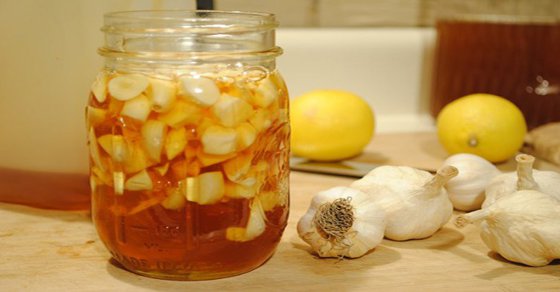
Supporting cardiovascular health is a cornerstone of long-term wellness. While conventional medicine offers effective treatments for managing cholesterol and arterial health, many traditional systems of medicine have long utilized botanicals to support these functions. Among the most historically recognized are garlic and lemon, often combined in preparations aimed at supporting blood lipid profiles and vascular elasticity.
However, it is crucial to move beyond simplistic notions of “cleaning” arteries and instead understand the evidence-based mechanisms, appropriate uses, and critical safety protocols associated with these powerful natural ingredients. This article, written from a phytotherapy perspective, will explore the scientific basis for using a traditional garlic and lemon preparation, its potential benefits, and the necessary precautions for safe use.

The Science Behind Garlic and Lemon for Heart Health
The traditional belief in this remedy’s efficacy is now partially supported by modern research, which points to specific bioactive compounds and their physiological effects. It’s not about physically “scrubbing” arteries, but rather about influencing biological processes related to cholesterol metabolism and vascular inflammation.
Garlic (Allium sativum)
Garlic’s primary active compound is allicin, which is formed when the garlic clove is crushed or chopped. Furthermore, research indicates that allicin and other sulfur compounds in garlic may support cardiovascular health in several ways:
- Cholesterol Management: Studies suggest garlic may modestly lower total and LDL (“bad”) cholesterol levels. The proposed mechanism involves the inhibition of HMG-CoA reductase, the same enzyme targeted by statin drugs, though garlic’s effect is significantly milder.
- Blood Pressure Regulation: According to a meta-analysis published in Phytotherapy Research, garlic supplementation has been shown to have a blood pressure-lowering effect, which is beneficial for overall vascular health.
- Anti-platelet Activity: Garlic can help reduce the “stickiness” of blood platelets, thereby decreasing the risk of clot formation. This is a key benefit but also the source of its most significant safety risk.
Lemon (Citrus limon)
Lemons are rich in antioxidants, particularly flavonoids like hesperidin and vitamin C. These compounds contribute by:
- Reducing Oxidative Stress: Antioxidants help protect the endothelial lining of blood vessels from damage caused by free radicals. Consequently, this helps maintain vessel elasticity and reduces inflammation, a key factor in the development of atherosclerosis.
- Supporting Endothelial Function: Healthy blood vessels can dilate and constrict properly. The flavonoids in lemon support this function, contributing to better blood flow and pressure regulation.
Traditional Garlic and Lemon Preparation
This recipe is adapted from traditional Eastern European and Russian folk medicine. It should be viewed as a dietary supplement to support a heart-healthy lifestyle, not as a replacement for medical treatment.
Ingredients:
- 4 whole heads of organic garlic (not just cloves)
- 4 whole organic lemons (with peel)
- 3 liters (approximately 12.5 cups) of previously boiled and cooled water
Method of Preparation:
- First, thoroughly wash the lemons and cut them into pieces. Peel the garlic cloves.
- Next, combine the lemon pieces and garlic cloves in a high-quality blender and blend until you have a smooth purée.
- Transfer this mixture to a large glass jar or pot. Pour the 3 liters of cooled, previously boiled water over the purée and stir well.
- Cover the container and let it sit at room temperature for three days, stirring once daily.
- After three days, strain the liquid through a fine-mesh sieve or cheesecloth into clean glass bottles or jars. Discard the pulp.
- Finally, store the strained liquid in the refrigerator.
Administration Protocol and Safety Limits
Proper administration is critical for both efficacy and safety. Therefore, adhering to a structured protocol is essential.
| Protocol | Guideline |
|---|---|
| Starting Dose | Begin with 1 tablespoon (15 ml) once per day before a meal to assess tolerance. |
| Maximum Daily Dose | Gradually increase to a maximum of 50 ml, taken 1 to 2 times per day before your main meals. Do not exceed 100 ml per day. |
| Treatment Duration | Follow the protocol for a maximum of 40 days. |
| Mandatory Break | A break of at least 6 months is recommended before considering another cycle. This preparation is intended for use once per year. |
| Administration Condition | Taking it before meals is traditional, but if you experience stomach upset, consume it with food. |
Specific Biological Limitation
Anticoagulant Effect: The primary biological limitation of this remedy comes from garlic’s potent anti-platelet (blood-thinning) properties. Allicin and other sulfur compounds inhibit thromboxane synthesis, a substance that causes platelets to clump together. While this can be beneficial for preventing unwanted clots, it becomes dangerous for individuals with bleeding disorders or those taking anticoagulant medications, as it can significantly increase the risk of uncontrolled bleeding.
Contraindications and Precautions
This preparation is not suitable for everyone. It is crucial to respect the following contraindications.
Absolute Contraindications (Do Not Use):
- Bleeding Disorders: Individuals with conditions like hemophilia or von Willebrand disease should avoid this remedy.
- Active Bleeding: Do not use if you have stomach ulcers, active bleeding, or are menstruating heavily.
- Upcoming Surgery: Discontinue use at least two weeks before any scheduled surgery, including dental procedures, to prevent excessive bleeding.
- Garlic or Citrus Allergy: Avoid if you have a known allergy to garlic or lemons.
Major Drug Interactions:
- Anticoagulants and Antiplatelets: Combining this remedy with drugs like Warfarin (Coumadin), clopidogrel (Plavix), or even daily aspirin can dangerously amplify their effects.
- HIV Protease Inhibitors: Garlic has been shown to reduce the blood levels of medications like saquinavir, potentially reducing their effectiveness.
- Blood Pressure Medications: As garlic can lower blood pressure, combining it with antihypertensive drugs may cause an excessive drop in pressure (hypotension).
Documented Adverse Effects:
Common side effects include heartburn, gastrointestinal upset, bad breath, and a distinct body odor. If these occur, reduce the dose or take it with food.
Therapeutic Alternatives
If this garlic and lemon preparation is not suitable for you, several other evidence-based options can support cardiovascular health.
- Bergamot (Citrus bergamia) Extract: A unique citrus fruit whose extract has been clinically studied for its ability to help manage LDL and triglyceride levels while supporting HDL (“good”) cholesterol. It works through a different mechanism than garlic, involving the inhibition of cholesterol biosynthesis.
- Red Yeast Rice: This fermented rice contains monacolin K, a compound chemically identical to the statin drug lovastatin. It is effective for lowering cholesterol but carries the same risks and contraindications as statin medications and requires medical supervision.
- Psyllium Husk: A soluble fiber that effectively lowers LDL cholesterol by binding to bile acids in the digestive tract and promoting their excretion. This forces the liver to use more cholesterol to produce new bile acids.
Recent Medical Research (2020-2026)
Modern science continues to investigate the cardiovascular effects of garlic. For instance, a 2020 meta-analysis in the journal Nutrients reaffirmed that garlic supplementation can significantly reduce both systolic and diastolic blood pressure in hypertensive individuals. Furthermore, a 2020 systematic review concluded that aged garlic extract is effective in improving arterial stiffness and inflammation, key markers of atherosclerosis progression. However, research on the specific garlic-lemon combination is limited, with most studies focusing on concentrated garlic extracts.
Specialist’s Summary
The traditional garlic and lemon remedy may offer modest support for managing blood pressure and cholesterol profiles due to garlic’s bioactive compounds. Its effects are supportive, not curative, and typically appear after several weeks of consistent use. However, it is strictly contraindicated for individuals on blood-thinning medication or with bleeding disorders. Validated alternatives with stronger clinical evidence include bergamot extract for cholesterol management and psyllium husk for a fiber-based approach.
Frequently Asked Questions
Can this remedy “unclog” or reverse existing arterial plaque?
No. There is no natural remedy that can reverse or “unclog” established atherosclerotic plaque. This preparation may help slow the progression of plaque formation by managing risk factors like high cholesterol and blood pressure, but it cannot remove existing blockages.
How long does it take to see an effect on cholesterol levels?
If there is an effect, it would likely be modest and require consistent use for at least 4-8 weeks to be reflected in blood tests. Results vary significantly between individuals and are most effective when combined with diet and exercise.
Is this remedy safe to take with my prescribed heart medications?
It is potentially unsafe. Due to significant interactions with blood thinners and blood pressure medications, you must consult your cardiologist or healthcare provider before considering this remedy if you are on any prescription medication for cardiovascular health.
Sources and References
- Ried, K. (2020). Garlic lowers blood pressure in hypertensive subjects, improves arterial stiffness and gut microbiota: A review and meta-analysis. Experimental and Therapeutic Medicine.
- Wang, J., et al. (2020). Effect of Aged Garlic Extract on Blood Pressure and Other Cardiovascular Risk Factors in Uncontrolled Hypertensives: The GEHCO Randomised Controlled Trial. Nutrients.
- World Health Organization (WHO). (1999). WHO Monographs on Selected Medicinal Plants – Volume 1: Bulbus Allii Sativi.
⚠️ Important Medical Information
This article is for educational and informational purposes only and is not intended as medical advice, diagnosis, or treatment. The information provided about the garlic and lemon remedy is based on traditional use and available scientific evidence, which may be limited.
Before using this remedy:
- Consult a qualified healthcare provider, especially if you are pregnant, breastfeeding, taking medications (particularly blood thinners or blood pressure drugs), or have existing health conditions like bleeding disorders or low blood pressure.
- Do not use as a substitute for prescribed medications or professional medical treatment for high cholesterol or heart disease.
- Individual results may vary – what works for one person may not work for another.
- Monitor for adverse reactions and discontinue use if negative symptoms like severe stomach upset or signs of bleeding occur.
Regulatory status: The ingredients in this remedy are foods, but when used for health purposes, they function as a dietary supplement. This preparation has not been evaluated by the FDA for treating, curing, or preventing any disease.
Last updated: 2024-05-21
5 comments
Could you add raw honey?
I was wondering the same thing!
This sounds like a great way to help boost the immune system too! Can you add raw local honey to soften the taste and to add enzymes, vitamins and minerals?
Can’t wait to hear from you
Thanks, my brother just sent this to me and I’m thrilled to get it . I have been prescribed Lipitor and I don’t want to take it. I’ve read about it and had a strong desire to find another option. Bingo.
This makes sense for me