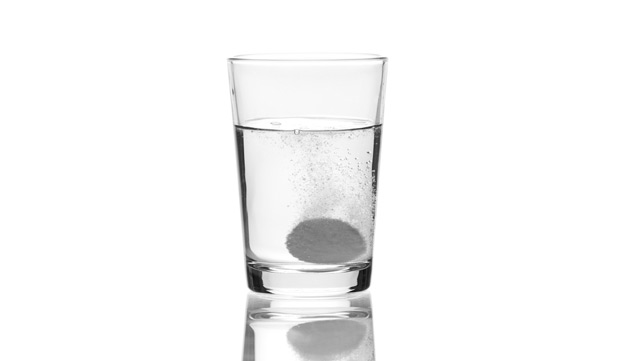
The practice of drinking sodium bicarbonate (baking soda) dissolved in water is often discussed as a home remedy for various health issues. However, understanding its physiological effects, appropriate uses, and significant risks is crucial for safe administration. This article provides an evidence-based evaluation of the potential benefits and considerable dangers associated with ingesting sodium bicarbonate.

⚠️ WARNING – High Sodium Content and Overdose Risk!
Sodium bicarbonate is a chemical salt with a very high sodium content. Its consumption can dangerously elevate blood pressure and cause fluid retention. Furthermore, overdose can lead to a severe and potentially life-threatening condition known as metabolic alkalosis. Consequently, it should never be used by individuals with hypertension, heart failure, or kidney disease without direct medical supervision.
The Physiological Effects of Sodium Bicarbonate
Sodium bicarbonate is an alkaline compound that, when ingested, acts as a systemic alkalizing agent. Its primary and most validated medical use is as a short-term antacid to neutralize excess stomach acid. However, its effects extend beyond the stomach, influencing the pH balance of the entire body, which carries both therapeutic potential and significant risk.
1. Management of Acid Indigestion (Heartburn)
The most common application for oral sodium bicarbonate is the temporary relief of heartburn and acid indigestion. It functions by directly neutralizing hydrochloric acid in the stomach, converting it into salt, water, and carbon dioxide. While effective for occasional, acute relief, it is not a suitable long-term solution for chronic conditions like gastroesophageal reflux disease (GERD), as it can cause rebound acid production and other complications.
2. Adjunctive Role in Gout Management
Gout results from the accumulation of uric acid crystals in the joints. By increasing the pH of urine (making it more alkaline), sodium bicarbonate can enhance the solubility and excretion of uric acid. Nevertheless, this should only be considered an adjunctive strategy under strict medical guidance. It does not replace primary pharmacological treatments and carries substantial risks related to its high sodium content and potential to disrupt electrolyte balance.
3. Symptomatic Relief for Urinary Tract Infections (UTIs)
Sodium bicarbonate does not treat or cure urinary tract infections, which are caused by bacteria and require antibiotic therapy. However, it can provide temporary symptomatic relief from the burning sensation during urination (dysuria). It achieves this by alkalinizing the urine, making it less acidic and therefore less irritating to the inflamed bladder and urethral tissues. This is a palliative measure only and should not delay proper medical diagnosis and treatment.
Administration Protocol and Safety Limits
Strict adherence to dosage and duration is essential to minimize the severe risks associated with sodium bicarbonate ingestion.
1. Treatment Duration
-
- For occasional heartburn: Use should be limited to a single dose. Do not use for more than 3-5 consecutive days without consulting a physician.
- Long-term use is contraindicated due to the high risk of chronic side effects, including metabolic alkalosis, electrolyte imbalance, and cardiovascular strain.
2. Quantity and Maximum Dose
-
- Standard Adult Dose (Antacid): 1/2 teaspoon (approx. 2.4 grams) fully dissolved in 4-8 ounces (120-240 mL) of water.
- Maximum Daily Dose (Adults under 60): Do not exceed seven 1/2-teaspoon doses in a 24-hour period.
- Maximum Daily Dose (Adults over 60): Do not exceed three 1/2-teaspoon doses in a 24-hour period.
- Overdose Risk: Exceeding these limits significantly increases the risk of severe electrolyte imbalance, metabolic alkalosis, and potential cardiac or neurological complications.
3. Administration Condition
-
- Complete Dissolution: Always ensure the powder is fully dissolved in water before consumption to prevent gastric irritation.
- Timing: Administer 1-2 hours after a meal. Taking sodium bicarbonate on a very full stomach can cause rapid gas production (carbon dioxide), which in rare cases has led to gastric rupture.
- Incompatibilities: Do not take with milk or calcium supplements. This combination can lead to milk-alkali syndrome, a serious condition causing high blood calcium levels and potential kidney failure.
Specific Biological Limitation
Sodium Load and Fluid Retention
A primary limitation of sodium bicarbonate is its high sodium content. One teaspoon contains approximately 1,259 mg of sodium, which is over half the recommended daily limit for a healthy adult (2,300 mg). This massive sodium load forces the kidneys to retain more water to maintain electrolyte balance, leading to increased blood volume. As a result, blood pressure rises, placing significant strain on the heart and blood vessels. This makes it extremely dangerous for individuals with pre-existing hypertension, congestive heart failure, or kidney disease.
Metabolic Alkalosis
The body maintains a tightly controlled pH balance in the blood, typically between 7.35 and 7.45. Ingesting excessive amounts of an alkaline substance like sodium bicarbonate can overwhelm this system, leading to metabolic alkalosis (blood pH > 7.45). This condition disrupts normal cellular function and can cause symptoms ranging from muscle twitching, nausea, and confusion to more severe effects like seizures, cardiac arrhythmias, and coma. This risk is particularly high in individuals with impaired kidney function, who cannot efficiently excrete excess bicarbonate.
Contraindications and Precautions
Absolute Contraindications (Forbidden)
-
- Hypertension (High Blood Pressure): The high sodium content can dangerously elevate blood pressure.
- Congestive Heart Failure: Fluid retention caused by sodium can worsen symptoms and lead to acute decompensation.
- Kidney Disease (Renal Insufficiency): Impaired kidneys cannot properly excrete sodium or bicarbonate, increasing the risk of fluid overload and metabolic alkalosis.
- Liver Disease (e.g., Cirrhosis): Often associated with fluid retention (ascites), which is exacerbated by high sodium intake.
- Edema (Swelling): Any condition causing fluid retention.
- Known Electrolyte Imbalances: Specifically hypocalcemia (low calcium) or hypokalemia (low potassium).
Vulnerable Populations
-
- Pregnancy and Breastfeeding: Should be avoided due to the high sodium load and potential for fluid retention.
- Children: Not recommended for children under 12 unless directed by a physician, due to a higher risk of overdose and electrolyte imbalance.
- Elderly: Individuals over 60 should use a lower maximum dose due to a higher prevalence of underlying cardiovascular and renal conditions.
Major Drug Interactions
-
- Drugs Requiring an Acidic Environment for Absorption: Sodium bicarbonate can decrease the absorption of drugs like ketoconazole (antifungal), iron supplements, and certain antibiotics (e.g., tetracyclines).
- Enteric-Coated Medications: It can cause the protective coating to dissolve prematurely in the stomach, leading to gastric irritation or inactivation of the drug.
- Drugs Affected by Urine pH: It can alter the excretion of certain drugs, increasing the toxicity of quinidine or decreasing the effectiveness of lithium and aspirin.
Documented Adverse Effects
-
- Common: Increased thirst, stomach cramps, flatulence.
- Severe (requiring immediate medical attention): Headache, severe nausea or vomiting, irritability, muscle weakness, slow breathing, swelling of the feet or ankles, black or tarry stools, or vomit that resembles coffee grounds.
Therapeutic Alternatives
If sodium bicarbonate is not a suitable option, several safer and more effective alternatives exist.
For Occasional Heartburn:
-
- Over-the-Counter Antacids: Products containing calcium carbonate (Tums), magnesium hydroxide, or aluminum hydroxide are effective and contain less sodium.
- H2 Blockers: Medications like famotidine (Pepcid) reduce acid production and provide longer relief.
- Botanical Alternatives: For mild symptoms, deglycyrrhizinated licorice (DGL) tablets or teas made from chamomile (Matricaria recutita) or ginger (Zingiber officinale) may offer gentle relief.
For Gout and UTI Symptoms:
These conditions require a formal medical diagnosis and prescription treatment. Self-medication is not appropriate. A physician can prescribe effective medications like allopurinol for gout or antibiotics for UTIs.
Recent Medical Research (2020-2026)
Recent research continues to highlight the significant dangers of improper sodium bicarbonate use. Case studies consistently document severe metabolic alkalosis, electrolyte disturbances, and even cardiac arrest resulting from overdose, often from attempts to use it as a home remedy. For instance, a 2020 report in Cureus detailed a case of life-threatening complications following baking soda ingestion for indigestion. Conversely, research in controlled clinical settings explores its potential role as an ergogenic aid to buffer lactic acid in athletes or as an adjunctive therapy in specific, supervised medical protocols, such as managing metabolic acidosis in chronic kidney disease. These applications, however, are highly specialized and require precise medical oversight.
Quick Guide: Sodium Bicarbonate Safety
| Category | Details |
|---|---|
| ❌ Who should AVOID | • Individuals with high blood pressure, heart failure, kidney, or liver disease. • Pregnant or breastfeeding women. • Children under 12 years old. • Those on a low-sodium diet. |
| 📊 Maximum safe dose | • Adults (<60): Max 7 half-teaspoon doses/day. • Adults (>60): Max 3 half-teaspoon doses/day. • Treatment duration: Max 3-5 days for occasional use. |
| 🚨 ALARM signs | • Severe headache or nausea. • Muscle weakness or twitching. • Swelling in feet or ankles. • Slow, shallow breathing. |
| 💊 Major interactions | • Enteric-coated medications. • Antifungals (ketoconazole), iron supplements, and certain antibiotics. • Aspirin and lithium. |
| ⏱️ When to consult doctor | IMMEDIATELY if alarm signs appear OR If heartburn persists for more than a few days. |
💡 Golden rule: When in doubt, consult a healthcare professional. Do not self-medicate for chronic conditions.
Specialist’s Summary
Sodium bicarbonate is an effective, fast-acting antacid for occasional heartburn but is inappropriate for chronic use due to severe risks. Its high sodium content makes it dangerous for individuals with cardiovascular or renal disease, and overdose can cause life-threatening metabolic alkalosis. It does not treat infections like UTIs but may offer temporary symptom relief. Safer and more effective alternatives are widely available for all its purported uses.
Frequently Asked Questions
Can drinking baking soda cure acid reflux?
No. It can only provide temporary relief from the symptoms of acid reflux by neutralizing stomach acid. It does not cure the underlying condition, and chronic use can worsen the problem and cause serious side effects.
How long is it safe to drink baking soda water?
It is intended for short-term, occasional use only. Using it for more than a few consecutive days is not recommended without medical advice. Long-term use is considered unsafe.
Is drinking baking soda safe for people with high blood pressure?
No, it is absolutely contraindicated. The high sodium content can significantly raise blood pressure and increase the risk of cardiovascular events.
What are safer alternatives to baking soda for heartburn?
Safer over-the-counter options include calcium carbonate-based antacids (like Tums), H2 blockers (like famotidine/Pepcid), and proton pump inhibitors (like omeprazole). Lifestyle changes, such as dietary adjustments and weight management, are also crucial for long-term control.
Sources and References
-
- Al-Abri, S. A., & Kearney, T. (2014). Baking soda misuse: a case series and review of the literature. Journal of clinical pharmacy and therapeutics, 39(1), 73–77. https://doi.org/10.1111/jcpt.12101
- Adeva-Andany, M. M., Fernández-Fernández, C., Mouriño-Bayolo, D., Castro-Quintela, E., & Domínguez-Montero, A. (2014). Sodium bicarbonate therapy in patients with metabolic acidosis. The Scientific World Journal, 2014, 627673. https://doi.org/10.1155/2014/627673
- Gallo de Moraes, A., & Surani, S. (2020). A Surprising Cause of Life-Threatening Hypernatremia and Metabolic Alkalosis. Cureus, 12(8), e9918. https://doi.org/10.7759/cureus.9918
- National Capital Poison Center. (n.d.). Baking Soda Can Be Harmful If Swallowed. https://www.poison.org/articles/baking-soda
2 comments
What about the risks of drinking Flouride in our water? Brush and rinse with it, okay, but consume it? I don’t think so ………….
thanks for this information. My doctor gave me a prescription for Pantoprazole. there are too many side affects to taking this medicine . Im going to stick with baking soda and water..