Baking Soda for Beauty: A Guide to Safe Uses

by Elena Martin
1 comment
A+A-
Reset

Sodium bicarbonate, commonly known as baking soda, is a versatile household product often touted for various DIY beauty applications. While it possesses certain chemical properties that can be useful, its use on skin and hair requires significant caution. As a phytotherapy specialist, it is crucial to approach these traditional remedies with a modern understanding of dermatology and chemistry to ensure safety and prevent unintended harm.

The primary concern with using baking soda topically is its high alkalinity. Understanding this is key to using it safely, if at all. This guide will critically evaluate common beauty uses, eliminate those that lack scientific support or pose significant risks, and provide clear safety protocols for applications with limited, evidence-based merit.

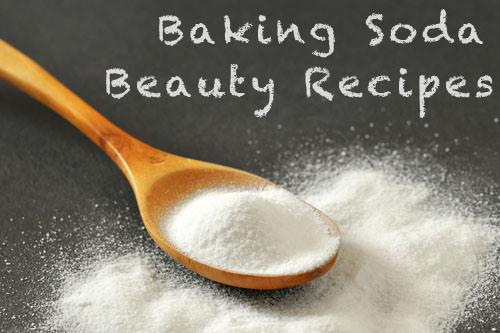
baking-soda-beauty-recipes

Specific Biological Limitation: The Risk of High Alkalinity

The fundamental issue with applying baking soda to the skin and hair lies in its pH level. The skin’s surface is naturally acidic, with a pH typically between 4.5 and 5.5. This “acid mantle” is a crucial protective barrier that inhibits the growth of harmful bacteria, maintains moisture, and preserves skin integrity.

Baking soda, however, is highly alkaline, with a pH of around 9. Consequently, applying it directly to the skin can severely disrupt the acid mantle. This disruption can lead to:

  • Increased Dryness and Irritation: Alkalinity strips the skin and hair of their natural protective oils (sebum).
  • Compromised Barrier Function: A damaged acid mantle makes the skin more vulnerable to environmental damage, moisture loss, and pathogens.
  • Exacerbation of Skin Conditions: Individuals with conditions like eczema, rosacea, or acne may experience significant flare-ups.

Therefore, any topical use of baking soda must be infrequent, highly diluted, and targeted for specific, appropriate purposes.

General Safety Protocols for Any Baking Soda Use

Before attempting any of the limited applications described below, you must adhere to these safety measures. Failure to do so can result in skin irritation, chemical burns, or hair damage.

Protocol Action Required
Mandatory Patch Test Mix a small amount of the prepared paste/solution. Apply it to a discreet area of skin (e.g., the inner arm). Wait 24 hours to check for redness, itching, or irritation. Do not proceed if any reaction occurs.
Strict Frequency Limit Never use baking soda preparations daily. Most applications should be limited to once a week at most, with many being restricted to once or twice a month.
Immediate Discontinuation Stop use immediately if you experience any stinging, burning, excessive dryness, or redness. Rinse the area thoroughly with cool water.

Evidence-Based Uses with Strict Safety Protocols

1. For Dental Care: Occasional Stain Removal

Baking soda is recognized by the American Dental Association (ADA) as a mild abrasive that can help remove surface stains from teeth. However, it is not a replacement for regular toothpaste.

  • Mechanism: Its crystalline structure provides a gentle scrubbing action that can lift extrinsic stains from coffee, tea, or tobacco.
  • Safety Protocol: Mix a pea-sized amount of baking soda with water to form a paste. Gently brush your teeth for one minute. Do not use more than twice per week to avoid damaging tooth enamel.
  • Critical Warning: Baking soda lacks fluoride, which is essential for preventing dental cavities. Therefore, you must continue to use a fluoride-based toothpaste for daily dental hygiene. Consult your dentist before using any abrasive whitening agents.

2. For Hair Care: Occasional Clarifying Rinse

For individuals with very oily hair or significant product buildup (from gels, sprays, etc.), a baking soda rinse can act as a potent clarifying agent. This is not suitable for dry, brittle, or color-treated hair.

  • Mechanism: The alkalinity helps to break down and strip away oils, silicones, and waxes that accumulate on the hair shaft.
  • Safety Protocol: Dissolve one tablespoon of baking soda in two cups of warm water. After shampooing, pour the solution through your hair, focusing on the roots. Let it sit for no more than 1-2 minutes, then rinse thoroughly.
  • Mandatory Follow-up: Immediately follow with an acidic rinse (e.g., one tablespoon of apple cider vinegar in two cups of water) to help restore the hair and scalp’s natural pH. Finish with a deep conditioner. Limit this treatment to once a month.

3. For Foot Care: Deodorizing Soak and Callus Softener

This is one of the safest and most effective cosmetic uses for baking soda. The skin on the feet is thick and less prone to irritation, and the deodorizing properties are beneficial.

  • Mechanism: Baking soda helps soften the tough, dead skin of calluses and neutralizes odor-causing acids.
  • Protocol: Add 3-4 tablespoons of baking soda to a basin of warm water. For added relaxation, you can add a few drops of lavender essential oil. Soak your feet for 15-20 minutes. Afterwards, you can gently exfoliate softened areas with a pumice stone.

Uses to Avoid: Why Baking Soda is Unsuitable for Skin Scrubs

It is strongly advised to NEVER use baking soda as a facial or body exfoliant. The popular DIY recommendation to create a face or body “peeling” paste is based on a misunderstanding of its properties.

While it feels abrasive, the primary action is chemical, not physical. The high alkalinity aggressively strips the skin’s protective oils and disrupts the acid mantle. This can cause micro-tears, severe dryness, rebound oil production, and long-term damage to the skin barrier, making you more susceptible to acne and irritation. For this reason, this remedy has been eliminated from this guide.

Therapeutic Alternatives for Safe Exfoliation

If you are seeking natural and safe ways to exfoliate your skin, consider these scientifically supported alternatives that respect the skin’s pH balance.

  • For Sensitive Skin: Finely ground colloidal oatmeal mixed with water or a carrier oil (like jojoba) provides gentle physical exfoliation while also soothing the skin.
  • For Body Exfoliation: A scrub made from fine-grain sugar or salt mixed with a nourishing oil (such as coconut, olive, or almond oil) effectively removes dead skin cells without altering skin pH.
  • For Gentle Chemical Exfoliation: Products containing low concentrations of Alpha-Hydroxy Acids (AHAs) like lactic acid or mandelic acid are formulated at the correct pH to exfoliate effectively without causing alkaline damage.

Contraindications and Precautions

Certain individuals should avoid all topical applications of baking soda due to a higher risk of adverse reactions.

  • Absolute Contraindications: Do not use if you have sensitive skin, rosacea, eczema, psoriasis, or active acne breakouts.
  • Vulnerable Populations: Avoid use on broken, cut, or sunburned skin, as it can cause intense stinging and further irritation.
  • When to Stop Immediately: Discontinue all use if you notice increased dryness, flaking, redness, a persistent tight feeling, or a rash.

Recent Medical Research (2020-2026)

While direct research on baking soda for beauty is sparse, extensive dermatological research continues to reinforce the importance of maintaining the skin’s acid mantle. A 2022 review in the Journal of Dermatological Science reiterated that disruptions in skin surface pH are linked to the pathogenesis of inflammatory skin diseases like atopic dermatitis. According to the study, using alkaline products can impair the skin’s barrier recovery and increase transepidermal water loss (TEWL).

This body of evidence supports the recommendation to avoid alkaline substances like baking soda for general skincare, as preserving the acidic pH is paramount for skin health.

Specialist’s Summary

Baking soda’s utility in beauty is extremely limited and carries notable risks due to its high alkalinity. It is most safely used as a foot soak or a very infrequent clarifying hair rinse for oily hair types, always followed by a pH-balancing rinse. Its use as a skin exfoliant is strongly discouraged due to the potential for damaging the skin’s protective acid mantle. Safer, pH-balanced alternatives like oatmeal or sugar scrubs are far superior for maintaining skin health.

Frequently Asked Questions

Is it safe to wash your face with baking soda?
No, it is not safe or recommended. The high pH of baking soda disrupts your skin’s natural acid mantle, leading to dryness, irritation, and a compromised skin barrier that can worsen conditions like acne and eczema.

How often can I use a baking soda rinse on my hair?
A baking soda clarifying rinse should be used very infrequently, no more than once a month, and only if you have very oily hair with significant product buildup. It is unsuitable for dry, damaged, or color-treated hair.

What is a safe alternative to a baking soda face scrub?
A safe and effective alternative is a scrub made from colloidal oatmeal mixed with water or a gentle carrier oil. For body exfoliation, a mixture of fine sugar and coconut oil is an excellent choice that respects the skin’s natural pH.

Sources and References

  • American Dental Association (ADA). “Baking Soda.” MouthHealthy.org.
  • Ali, S. M., & Yosipovitch, G. (2022). Skin pH: from basic science to basic skin care. Acta Dermato-Venereologica.
  • Panther, D. J., & Jacob, S. E. (2021). The Importance of Acidification in Atopic Dermatitis: An Unexplored Therapeutic Avenue. Journal of Clinical and Aesthetic Dermatology.
  • Schmid-Wendtner, M. H., & Korting, H. C. (2006). The pH of the skin surface and its impact on the barrier function. Skin Pharmacology and Physiology.

⚠️ Important Medical Information

This article is for educational and informational purposes only and is not intended as medical advice, diagnosis, or treatment. The information provided about Sodium Bicarbonate (Baking Soda) is based on its chemical properties and available scientific evidence, which may be limited for cosmetic applications.

Before using Baking Soda topically:

  • Consult a qualified healthcare provider or dermatologist, especially if you have existing skin conditions, are pregnant, breastfeeding, or taking medications.
  • Do not use as a substitute for prescribed medications or professional medical treatment for skin or dental issues.
  • Individual results may vary – what works for one person may cause severe irritation in another.
  • Monitor for adverse reactions and discontinue use immediately if negative symptoms occur.

Regulatory status: Baking soda is a common household substance and has not been evaluated by the FDA for treating, curing, or preventing any disease.


You may also like

1 comment

Marthie Brits
Marthie Brits August 21, 2015 - 07:19

Very interesting

Reply

Leave a Comment