Garlic for Blood Pressure and Cholesterol: How to Use It Safely
Garlic (*Allium sativum*) has a rich history, valued for centuries not only as a culinary staple but also as a key component in traditional medicine systems worldwide. Historically, practitioners used it to address everything from infections to circulatory issues. Today, modern research is exploring its potential role in supporting cardiovascular health, particularly in managing blood pressure and cholesterol levels. However, its potent effects require a clear understanding of its proper use and safety limits.

How Garlic May Support Cardiovascular Health
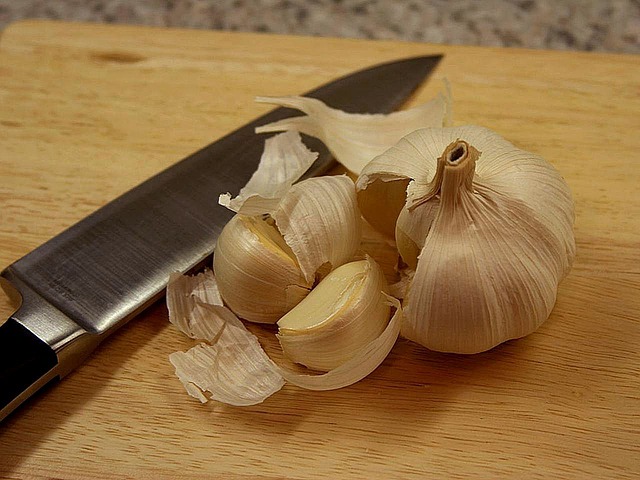
The primary active compounds in garlic responsible for its health effects are organosulfur compounds, most notably allicin. Importantly, allicin is not present in an intact clove; it is only formed when the garlic is crushed or chopped, triggering an enzymatic reaction. This compound is volatile and degrades quickly, especially with heat.
Potential Role in Blood Pressure Regulation
Several clinical studies suggest that garlic supplementation can have a modest but statistically significant effect on blood pressure. For instance, a 2020 meta-analysis published in Experimental and Therapeutic Medicine concluded that garlic supplements could lower both systolic and diastolic blood pressure, particularly in individuals with hypertension. The proposed mechanism involves garlic’s ability to promote the production of nitric oxide, a substance that helps relax and widen blood vessels (vasodilation), thereby improving blood flow.
Cholesterol and Lipid Management
Furthermore, research indicates that garlic may contribute to healthier cholesterol profiles. It appears to modestly reduce total cholesterol and LDL (“bad”) cholesterol levels over several months. A meta-analysis in the Journal of Clinical Lipidology suggests this effect is most pronounced with consistent, long-term use. The mechanism is thought to involve the inhibition of key enzymes in the liver that are responsible for cholesterol synthesis.
Natural Antiplatelet Effects
Garlic also exhibits antiplatelet properties, meaning it can help reduce the stickiness of platelets in the blood. Compounds like ajoene, derived from allicin, are believed to be responsible for this effect. By preventing platelets from clumping together excessively, garlic may help reduce the risk of blood clot formation (thrombosis). This is the same general mechanism by which low-dose aspirin works to prevent heart attacks and strokes, though garlic’s effect is much milder.
Administration Protocol and Safety Limits
To use garlic effectively and safely, it is crucial to adhere to established dosage and duration guidelines. The “4-6 cloves a day” mentioned in some informal sources is a very high dose that can cause significant side effects and is not recommended without medical supervision.
| Form | Recommended Daily Dose (for a healthy adult) | Notes |
|---|---|---|
| Raw Garlic | 1-2 medium cloves (approx. 4-8 grams) | Must be crushed or chopped and left to sit for 10 minutes before consumption to maximize allicin formation. Best taken with food to minimize stomach upset. |
| Standardized Supplements | 600-1200 mg of aged garlic extract, or supplements providing at least 5-10 mg of allicin potential. | Follow the manufacturer’s instructions. Enteric-coated tablets may reduce odor and gastrointestinal irritation. |
- Treatment Duration: Continuous use for cardiovascular benefits is common in studies, but it is wise to have regular check-ins with a healthcare provider every 3-6 months.
- Mandatory Break: It is critical to stop taking garlic supplements or high therapeutic doses of raw garlic at least 7-10 days before any scheduled surgery or dental procedure due to the increased risk of bleeding.
- Administration Condition: Always consume garlic with food to buffer its effects on the stomach lining. Exceeding the recommended dose can lead to significant gastrointestinal distress, heartburn, and body odor.
Specific Biological Limitation
The primary limitation of garlic stems from its potent organosulfur compounds. These compounds interfere with platelet aggregation, a crucial step in blood clotting. While this can be beneficial for preventing unwanted clots in atherosclerosis, it becomes a significant risk for individuals with pre-existing bleeding disorders, those on anticoagulant or antiplatelet medications, or anyone preparing for surgery. The effect is dose-dependent, meaning the risk increases with higher intake.
Contraindications and Precautions
Before incorporating therapeutic doses of garlic into your routine, it is essential to review the following safety information.
Absolute Contraindications
- Upcoming Surgery: Discontinue use at least one week before scheduled surgical or dental procedures to prevent excessive bleeding.
- Bleeding Disorders: Individuals with conditions like hemophilia or von Willebrand disease should avoid garlic supplements.
- Active Peptic Ulcers: High doses of raw garlic can severely irritate the stomach lining and worsen ulcer symptoms.
Vulnerable Populations
- Pregnancy and Breastfeeding: While culinary amounts are safe, there is insufficient evidence on the safety of high-dose garlic supplements. Therefore, it is best to avoid them.
- Children: The safety of therapeutic doses has not been established for children. Use only in culinary amounts.
Major Drug Interactions
- Anticoagulants and Antiplatelets (e.g., Warfarin, Clopidogrel, Aspirin): Garlic can amplify the effects of these drugs, significantly increasing the risk of bruising and serious bleeding. This is a critical interaction to discuss with your doctor.
- HIV Protease Inhibitors (e.g., Saquinavir): Garlic has been shown to reduce the blood levels and effectiveness of certain HIV medications.
- Blood Pressure Medications: As garlic can lower blood pressure, combining it with antihypertensive drugs may lead to hypotension (blood pressure that is too low). Monitor your blood pressure closely.
Documented Adverse Effects
- Common: Bad breath (halitosis), body odor, heartburn, and gastrointestinal upset.
- Rare: Allergic reactions, dizziness, and muscle aches.
Therapeutic Alternatives
If garlic is not suitable for you due to contraindications or side effects, other botanicals with evidence for cardiovascular support may be considered after consulting a healthcare professional.
- Hawthorn (*Crataegus spp.*): Traditionally used as a cardiotonic, hawthorn leaf and flower are recognized by regulatory bodies like the German Commission E for supporting heart function. Research suggests it may help improve blood flow to the heart and modestly lower blood pressure, acting through different mechanisms than garlic.
- Hibiscus (*Hibiscus sabdariffa*): Tea made from hibiscus calyces has been shown in several clinical trials to effectively lower blood pressure. Its mechanism is thought to involve mild diuretic action and ACE inhibition, making it a suitable alternative for blood pressure management.
- Red Yeast Rice (*Monascus purpureus*): This supplement contains monacolin K, a compound chemically identical to the statin drug lovastatin. It is used for lowering LDL cholesterol but carries similar risks to statins, including muscle pain and liver issues, and should only be used under strict medical supervision.
Note: Each of these alternatives has its own unique set of contraindications and potential drug interactions.
Recent Medical Research (2020-2026)
Recent research continues to reinforce garlic’s role in cardiovascular wellness, focusing on specific preparations and populations.
- A 2020 systematic review and meta-analysis in Antioxidants confirmed that aged garlic extract significantly lowers systolic blood pressure and has the potential to improve arterial stiffness and inflammation.
- Research published in Phytotherapy Research in 2022 highlighted that the combination of garlic and coenzyme Q10 showed synergistic effects in improving endothelial function and reducing inflammatory markers in patients with coronary artery disease.
Current Limitations: While evidence is promising, many studies vary in the type of garlic preparation used (raw, powder, aged extract), making direct comparisons difficult. Furthermore, the long-term effects and optimal dosages for preventing major cardiovascular events like heart attack or stroke are still not fully established.
Specialist’s Summary
Garlic (*Allium sativum*) is a well-researched herb useful for providing modest support for blood pressure and cholesterol management. Its effects, which typically appear after 2-3 months of consistent use, are attributed to sulfur compounds like allicin. However, it is strictly contraindicated before surgery and for individuals on blood-thinning medications due to a moderate risk of increased bleeding. Validated alternatives with different mechanisms include Hawthorn for heart function and Hibiscus for blood pressure.
Frequently Asked Questions
1. Can garlic replace my blood pressure or cholesterol medication?
Absolutely not. Garlic should be considered a supportive dietary strategy, not a replacement for prescribed medications. Abruptly stopping your medication can be dangerous. Always consult your doctor before making any changes to your treatment plan.
2. How much raw garlic is safe to eat every day?
For most healthy adults, 1-2 medium-sized cloves (about 4-8 grams) per day is a generally safe therapeutic dose. Exceeding this amount significantly increases the risk of gastrointestinal side effects and bleeding, especially with long-term use.
3. Does cooking garlic destroy its benefits?
Yes, heat destroys allicin, the primary active compound formed when garlic is crushed. To retain some benefits, you can crush the garlic and let it stand for 10 minutes before cooking on low heat for a short period. However, for maximum therapeutic effect, raw garlic or standardized supplements are preferred.
Sources and References
- Ried, K. (2020). Garlic lowers blood pressure in hypertensive subjects, improves arterial stiffness and gut microbiota: A review and meta-analysis. Experimental and Therapeutic Medicine, 19(2), 1472–1478. https://www.ncbi.nlm.nih.gov/pmc/articles/PMC7024889/
- Sun, Y. E., Wang, W., & Qin, J. (2018). Anti-hyperlipidemia of garlic by reducing the level of total cholesterol and low-density lipoprotein: A meta-analysis. Journal of Clinical Lipidology, 12(2), 481-489.
- Varshney, R., & Budoff, M. J. (2016). Garlic and Heart Disease. The Journal of nutrition, 146(2), 416S–421S. https://doi.org/10.3945/jn.114.202333
- World Health Organization. (1999). WHO Monographs on Selected Medicinal Plants – Volume 1: Bulbus Allii Sativi. https://www.who.int/publications/i/item/9241545178
⚠️ Important Medical Information
This article is for educational and informational purposes only and is not intended as medical advice, diagnosis, or treatment. The information provided about Garlic (*Allium sativum*) is based on traditional use, preliminary research, and available scientific evidence, which may be limited.
Before using Garlic in therapeutic doses:
- Consult a qualified healthcare provider, especially if you are pregnant, breastfeeding, taking medications (particularly blood thinners or HIV medication), or have existing health conditions like bleeding disorders.
- Do not use as a substitute for prescribed medications or professional medical treatment for cardiovascular disease.
- Individual results may vary – what works for one person may not work for another.
- Monitor for adverse reactions, such as gastrointestinal distress or signs of increased bleeding, and discontinue use if negative symptoms occur.
Regulatory status: Garlic, when used as a supplement, is considered a dietary supplement and has not been evaluated by the FDA for treating, curing, or preventing any disease.
Guess i,ll have to stink of Garlic then! ?