Herbal Support for Blood Pressure: 4 Plants Backed by Research
High blood pressure, or hypertension, is a serious medical condition that requires careful management under the guidance of a healthcare professional. While lifestyle changes like diet and exercise are foundational, certain botanicals have been traditionally used and are now being studied for their potential supportive role in cardiovascular health. However, it is crucial to understand that herbal remedies are not a replacement for prescribed medications and must be used with caution and knowledge.
This article provides an evidence-based overview of four herbs that may help support healthy blood pressure levels, focusing on their mechanisms, safe usage protocols, and contraindications.
Understanding Symptoms Associated with High Blood Pressure
Often called the “silent killer,” hypertension may not present obvious symptoms until it reaches a severe stage. However, when symptoms do occur, they can include:
- Persistent headaches
- Dizziness or lightheadedness
- Shortness of breath
- Blurred vision
- Nosebleeds
If you experience these symptoms, it is essential to seek immediate medical evaluation. Furthermore, self-diagnosing based on symptoms is unreliable; only regular blood pressure monitoring can confirm hypertension.
Evidence-Based Herbs for Blood Pressure Support
The following herbs have been investigated for their potential effects on blood pressure. Importantly, they should only be considered as part of a comprehensive management plan supervised by a doctor.
1. Garlic (Allium sativum)
Garlic has a long history of use in both culinary and medicinal traditions for cardiovascular health. Modern research has focused on its active compound, allicin, which is released when garlic is crushed or chopped.
Mechanism of Action: Research suggests garlic may help lower blood pressure by stimulating the production of nitric oxide, a compound that relaxes and widens blood vessels (vasodilation), thereby improving blood flow. Additionally, some studies indicate it may have a mild ACE (angiotensin-converting enzyme) inhibitor effect, similar to a class of blood pressure medications.
Administration Protocol and Safety Limits
| Formulation | Aged Garlic Extract (AGE) is often used in clinical trials as it is standardized and odourless. |
| Maximum Daily Dose | 600–1,200 mg of Aged Garlic Extract daily, divided into two doses. For fresh garlic, approximately one to four cloves per day. |
| Treatment Duration | Studies often run for 8-12 weeks. Long-term use should be monitored by a healthcare provider. |
| Administration | Take with meals to minimize potential gastrointestinal upset. |
Specific Biological Limitation
Garlic possesses antiplatelet (blood-thinning) properties. While this can be beneficial for cardiovascular health, it poses a significant risk for individuals with bleeding disorders or those scheduled for surgery, as it can increase the risk of uncontrolled bleeding.
2. Cinnamon (Cinnamomum spp.)
More than just a spice, cinnamon has been studied for its effects on metabolic health, which is closely linked to blood pressure regulation.
Mechanism of Action: The exact mechanism is not fully understood, but cinnamon appears to improve endothelial function and enhance insulin sensitivity. Consequently, by helping to manage blood sugar and metabolic function, it may indirectly contribute to better blood pressure control, particularly in individuals with metabolic syndrome or type 2 diabetes.
Administration Protocol and Safety Limits
| Formulation | Ceylon (“true”) cinnamon is preferred for long-term use over Cassia cinnamon due to its lower coumarin content. |
| Maximum Daily Dose | 1-2 grams of cinnamon powder per day. Exceeding this, especially with Cassia cinnamon, increases health risks. |
| Treatment Duration | Clinical trials typically last up to 12 weeks. Continuous use requires medical supervision. |
| Administration | Can be added to food (oatmeal, yogurt) or taken as a capsule with meals. |
Specific Biological Limitation
Cassia cinnamon contains significant amounts of coumarin, a compound that can be toxic to the liver in high doses or with prolonged use. Therefore, individuals with pre-existing liver conditions should avoid Cassia cinnamon supplements and use only Ceylon cinnamon in moderation.
3. Holy Basil (Ocimum tenuiflorum)
Known as Tulsi, Holy Basil is a revered herb in Ayurvedic medicine, classified as an adaptogen—a substance that helps the body adapt to stress.
Mechanism of Action: Its primary benefit for blood pressure may be indirect, through its ability to modulate the body’s stress response. Chronic stress is a known contributor to hypertension. Additionally, preliminary research suggests that compounds in Holy Basil, such as eugenol, may have mild calcium channel blocking properties, which can help relax blood vessel walls.
Administration Protocol and Safety Limits
| Formulation | Dried leaf for tea (1-2 teaspoons per cup) or standardized leaf extract in capsules. |
| Maximum Daily Dose | 300–600 mg of standardized extract daily, or 2-3 cups of tea. |
| Treatment Duration | Typically used for 4-8 weeks, followed by a break. |
| Administration | Capsules can be taken with or without food. Tea can be consumed throughout the day. |
Specific Biological Limitation
Holy Basil may have a mild blood-thinning effect and can lower blood sugar levels. This makes it potentially risky for individuals on anticoagulant or anti-diabetes medications, as it could amplify the effects of these drugs, leading to bleeding or hypoglycemia.
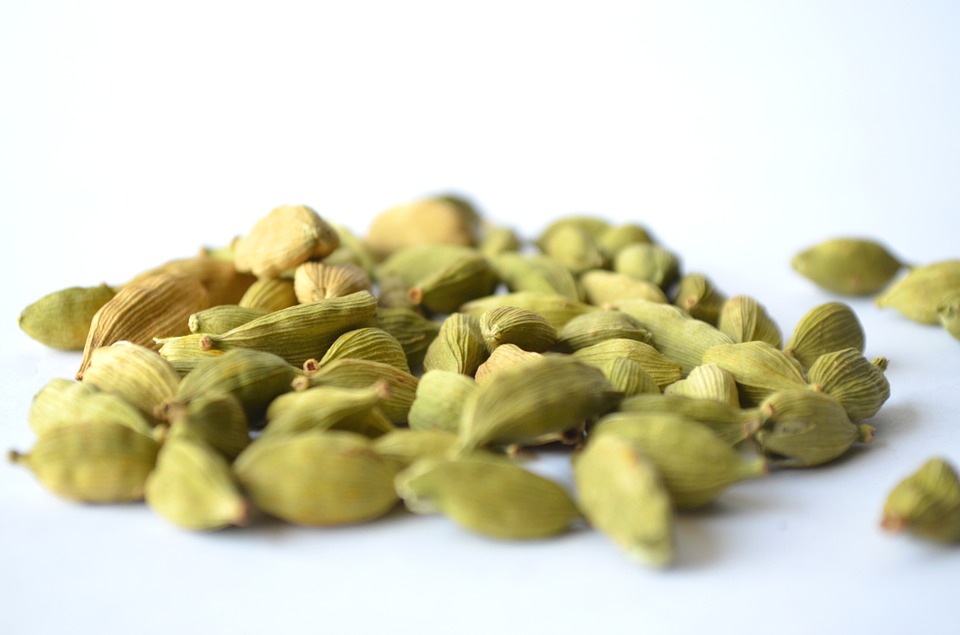
4. Cardamom (Elettaria cardamomum)
A staple in Asian and Middle Eastern cuisine, cardamom has also been explored for its potential hypotensive effects.
Mechanism of Action: While research is still emerging, studies suggest cardamom may act as a natural diuretic, helping the body eliminate excess sodium and water, which can lower blood pressure. It may also possess antioxidant and calcium channel blocking properties.
Administration Protocol and Safety Limits
| Formulation | Ground cardamom powder. |
| Maximum Daily Dose | A notable human study used 3 grams of cardamom powder daily, divided into two doses. |
| Treatment Duration | The primary study lasted 12 weeks. Further research is needed to establish long-term safety. |
| Administration | Can be added to soups, stews, or baked goods. |
Specific Biological Limitation
Cardamom is known to stimulate bile flow. For individuals with gallstones, this action could potentially trigger biliary colic, a type of intense abdominal pain.
Contraindications and Precautions
ALWAYS consult a healthcare provider before starting any herbal supplement, especially for a condition like hypertension.
- Drug Interactions: These herbs can interact with blood pressure medications, blood thinners (e.g., warfarin, aspirin), and diabetes drugs. Combining them without medical supervision can lead to dangerously low blood pressure (hypotension), bleeding, or low blood sugar (hypoglycemia).
- Pregnancy and Breastfeeding: The safety of these herbs has not been established for pregnant or breastfeeding women. Holy Basil, in particular, should be avoided due to its potential to affect uterine contractions.
- Surgery: Due to their effects on blood clotting and blood pressure, discontinue use of these herbs at least two weeks before any scheduled surgery.
- Underlying Conditions: Individuals with liver disease, kidney disease, bleeding disorders, or gallstones should exercise extreme caution.
Therapeutic Alternatives
If the herbs listed above are not suitable, other botanicals with more robust scientific support for blood pressure management may be considered under professional guidance:
- Hibiscus (Hibiscus sabdariffa): Numerous clinical trials and meta-analyses have shown that hibiscus tea can significantly lower both systolic and diastolic blood pressure, with effects comparable to some first-line antihypertensive drugs. Its mechanism is thought to involve diuretic and ACE-inhibiting properties.
- Olive Leaf Extract (Olea europaea): The active compound, oleuropein, has been shown in clinical studies to reduce blood pressure. Its effects are attributed to vasodilation and improved arterial health.
Recent Medical Research (2020-2026)
Recent research continues to validate the potential of certain botanicals while clarifying their limitations.
- A 2023 meta-analysis published in Frontiers in Nutrition confirmed that Aged Garlic Extract supplementation results in a significant reduction in systolic blood pressure, reinforcing its role as a potent complementary therapy.
- Research into cinnamon, such as a 2021 systematic review in the Journal of the American College of Nutrition, continues to highlight its benefits for metabolic parameters, which are closely tied to cardiovascular health, though its direct effect on blood pressure is modest.
- Current Limitations: A major gap in research is the lack of long-term, large-scale human trials for many herbs. Furthermore, standardization of herbal products remains a challenge, leading to variability in potency and effectiveness.
Specialist’s Summary
Garlic, Cinnamon, Holy Basil, and Cardamom may offer modest, supportive benefits for blood pressure management, primarily as adjuncts to conventional care. Garlic has the strongest evidence for direct hypotensive effects, while Holy Basil is more suited for stress-related elevations. However, their use is contraindicated in specific populations and with certain medications, particularly blood thinners. Validated alternatives like Hibiscus and Olive Leaf Extract often have more robust clinical backing.
Frequently Asked Questions
1. Can I replace my blood pressure medication with these herbs?
No. Absolutely not. Never stop or reduce prescribed medication without your doctor’s explicit instruction. Doing so can lead to a dangerous rebound in blood pressure, increasing the risk of stroke or heart attack. Herbs should only be considered a complementary therapy.
2. How long does it take for these herbs to affect blood pressure?
Effects are not immediate. Most clinical studies observe changes after consistent use for 8 to 12 weeks. Herbal therapies require patience and consistency and do not offer a quick fix.
3. Which herb is best for stress-related high blood pressure?
Holy Basil (Tulsi) is the most appropriate choice for this specific situation due to its well-documented adaptogenic properties that help the body manage physiological and psychological stress.
4. Are these herbs safe for children or during pregnancy?
No. The safety of these herbal supplements has not been established in children, pregnant women, or breastfeeding mothers. They are generally contraindicated for these vulnerable populations due to a lack of safety data and potential risks.
Sources and References
- Ried, K. (2024). Garlic lowers blood pressure in hypertensive individuals, regulates serum cholesterol, and stimulates immunity: an updated meta-analysis and review. Journal of Nutrition.
- Mousavi, S. M., et al. (2021). The effect of cinnamon supplementation on blood pressure in patients with type 2 diabetes: A systematic review and meta-analysis. Journal of the American College of Nutrition.
- Jamshidi, N., & Cohen, M. (2017). The Clinical Efficacy and Safety of Tulsi in Humans: A Systematic Review of the Literature. Evidence-Based Complementary and Alternative Medicine.
- Verma, S. K., et al. (2009). Blood pressure lowering, fibrinolysis and antioxidant functions of cardamom (Elettaria cardamomum) in stage 1 hypertension-a clinical study. Indian Journal of Biochemistry & Biophysics.
⚠️ Important Medical Information
This article is for educational and informational purposes only and is not intended as medical advice, diagnosis, or treatment. The information provided about these herbs is based on traditional use, preliminary research, and available scientific evidence, which may be limited.
Before using any herbal supplement:
- Consult a qualified healthcare provider, especially if you are pregnant, breastfeeding, taking medications, or have existing health conditions like hypertension.
- Do not use as a substitute for prescribed medications or professional medical treatment.
- Individual results may vary – what works for one person may not work for another.
- Monitor for adverse reactions and discontinue use if negative symptoms occur.




1 comentariu