A Clinician’s Guide to Dietary Vitamin C: Top Food Sources and Safe Intake Protocols

by Andreea Smiterson
0 comments
A+A-
Reset

Introduction to Vitamin C (Ascorbic Acid)

Vitamin C, or ascorbic acid, is an essential water-soluble vitamin critical for numerous physiological functions. While widely recognized, suboptimal intake remains a concern, potentially leading to significant health issues. Although supplementation is common, obtaining this nutrient from whole foods is generally recommended due to the synergistic effects of other co-existing compounds like bioflavonoids. This guide provides an evidence-based overview of Vitamin C’s role, its best dietary sources, and crucial safety protocols for its use.

As a potent antioxidant, Vitamin C protects cells, DNA, and lipids from oxidative damage. It is indispensable for the synthesis of collagen, a structural protein vital for skin, bones, and blood vessels. Furthermore, it enhances the absorption of non-heme iron from plant-based foods and is a key cofactor in the production of neurotransmitters, including serotonin, which plays a role in mood regulation.

Natural Sources of Vitamin C

⚠️ WARNING – High-Dose Supplementation Risks!

While dietary Vitamin C from food is exceptionally safe, high-dose supplementation (typically over 1,000 mg/day) carries risks. It is not a substitute for medical treatment and should only be undertaken with professional guidance. Potential adverse effects include gastrointestinal distress, and in susceptible individuals, an increased risk of kidney stone formation.

Top Dietary Sources of Vitamin C

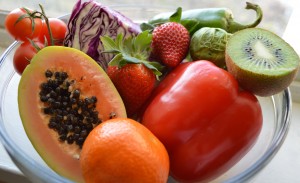
Many foods surpass citrus fruits in Vitamin C content. The following table provides a comparative overview of potent sources. Note that values can vary based on freshness, variety, and preparation method.

Food Source Vitamin C per 100g (approx.) Additional Notes
Red Bell Peppers 190 mg Excellent source of Vitamin A (beta-carotene), beneficial for ocular health. Best consumed raw to preserve Vitamin C.
Chili Peppers (Green) 242 mg Contains capsaicin, a compound studied for its analgesic properties in topical applications.
Kale 120 mg Rich in Vitamin K, Vitamin A, and minerals. Lightly steaming preserves more nutrients than boiling.
Broccoli 90 mg A good source of dietary fiber and sulforaphane, a compound with anti-cancer properties. Steam or stir-fry to minimize nutrient loss.
Papaya 60 mg Contains the enzyme papain, which aids in protein digestion. Also provides Vitamin A and folate.
Strawberries 59 mg Rich in manganese and polyphenols like ellagic acid, which have antioxidant and anti-inflammatory effects.
Cauliflower 48 mg Provides choline, important for brain health, and fiber. Roasting or steaming is preferable to boiling.
Brussels Sprouts 85 mg High in Vitamin K and fiber. Roasting can improve palatability and nutrient retention.

Impact of Preparation on Vitamin C Content

Vitamin C is both heat-labile and water-soluble, making it susceptible to degradation during cooking and storage.

    • Heat: Cooking methods like boiling can cause significant loss of Vitamin C into the water. Steaming, microwaving, and stir-frying for short durations are preferable.
    • Light and Air: Exposure to oxygen and light degrades Vitamin C. Store produce in a cool, dark place and consume it promptly after cutting or juicing.
    • Freezing: While freezing preserves Vitamin C better than canning, some loss occurs over time.

Administration Protocol and Safety Limits

These guidelines refer to total daily intake from both diet and supplements.

Recommended Dietary Allowance (RDA)

The RDA is the average daily level of intake sufficient to meet the nutrient requirements of nearly all healthy individuals.

    • Adult Men: 90 mg/day
    • Adult Women: 75 mg/day
    • Pregnancy: 85 mg/day
    • Lactation: 120 mg/day
    • Smokers: Require an additional 35 mg/day due to increased oxidative stress.

Tolerable Upper Intake Level (UL)

The UL is the maximum daily intake unlikely to cause adverse health effects.

    • Maximum Daily Dose (Adults): 2,000 mg (2 grams) per day from all sources.
    • Overdose Risk: Exceeding the UL, particularly from supplements, can cause osmotic diarrhea, nausea, abdominal cramps, and other gastrointestinal disturbances. Chronic high intake increases the risk of kidney stones in susceptible individuals.

Administration Conditions for Optimal Absorption

    • Bioavailability: The body’s absorption of Vitamin C decreases as doses increase. Absorption is over 80% for doses up to 200 mg but drops significantly at doses above 1,000 mg.
    • Timing: For supplemental Vitamin C, splitting doses throughout the day (e.g., 250-500 mg twice daily) improves absorption and maintains more stable plasma levels than a single large dose.
    • Synergies: Consume Vitamin C with iron-rich plant foods (e.g., lentils, spinach) to enhance non-heme iron absorption.

Specific Biological Limitation

Oxalate Metabolism and Kidney Stone Risk

A primary biological limitation of high-dose Vitamin C intake relates to its metabolism. The body excretes excess ascorbic acid in the urine, partly as unmetabolized ascorbate and partly as its metabolite, oxalate. In individuals with a history of kidney stones or underlying renal conditions, this increased urinary oxalate can promote the formation of calcium oxalate stones, the most common type of kidney stone. This risk is negligible with dietary intake but becomes clinically relevant with chronic, high-dose supplementation (over 1,000 mg/day).

Contraindications and Precautions

Absolute Contraindications (for high-dose supplementation)

    • Hemochromatosis: As Vitamin C enhances iron absorption, high doses can exacerbate iron overload in individuals with this genetic disorder.
    • G6PD Deficiency: High intravenous doses of Vitamin C have been reported to cause hemolysis in patients with glucose-6-phosphate dehydrogenase deficiency.
    • History of Oxalate Kidney Stones: Patients with hyperoxaluria or a history of calcium oxalate stones should avoid high-dose Vitamin C supplements.

Major Drug Interactions

    • Anticoagulants (e.g., Warfarin): High doses of Vitamin C may reduce the efficacy of these medications, although evidence is mixed. Monitoring is advised.
    • Statins and Niacin: Some evidence suggests that combined antioxidant supplements (including Vitamin C) may blunt the HDL cholesterol-raising effects of statin-niacin combinations.
    • Chemotherapy and Radiation: The use of high-dose antioxidants during cancer treatment is controversial. They may interfere with the oxidative mechanisms of some therapies. Patients should consult their oncologist.

Recent Medical Research (2020-2026)

Recent research continues to explore the therapeutic potential of Vitamin C beyond its basic nutritional role.

    • Immune Function: Studies during the COVID-19 pandemic investigated high-dose intravenous Vitamin C for severe respiratory infections. While some trials suggested potential benefits in reducing inflammation and duration of ventilation in critically ill patients, large-scale reviews concluded it is not a preventative or curative treatment for the virus itself.
    • Cardiovascular Health: A 2020 meta-analysis in the Journal of the American Heart Association found that Vitamin C supplementation improved endothelial function, a key factor in cardiovascular health, particularly in individuals with higher baseline risk.
    • Current Limitations: The precise role of high-dose Vitamin C in cancer therapy and sepsis remains an active area of research, with conflicting results and a need for more robust clinical trials.

Specialist’s Summary

Vitamin C is an essential nutrient best obtained from a diet rich in fruits and vegetables like bell peppers, broccoli, and kale. While dietary intake is safe and beneficial, high-dose supplementation should be approached with caution. It is contraindicated for individuals with hemochromatosis or a history of kidney stones and may interact with anticoagulants and certain cancer therapies. The Tolerable Upper Intake Level for adults is 2,000 mg/day to avoid gastrointestinal side effects and other potential risks.

Quick Guide: Vitamin C Safety

Category Details
❌ Who should AVOID High Doses • Individuals with hemochromatosis (iron overload)
• Patients with a history of oxalate kidney stones
• Those with G6PD deficiency (risk of hemolysis)
📊 Maximum safe dose (Adults) • Total intake: 2,000 mg (2 grams) per day
• RDA: 75-90 mg/day (higher for smokers, pregnancy)
🚨 ALARM signs (of excess) • Diarrhea
• Nausea and vomiting
• Abdominal cramps and bloating
💊 Major interactions • Anticoagulants (e.g., Warfarin)
• Statins and Niacin combinations
• Certain chemotherapy agents
⏱️ When to consult a doctor BEFORE starting high-dose supplementation, especially if you have pre-existing medical conditions or are taking other medications.

💡 Golden rule: Prioritize obtaining Vitamin C from whole foods. Use supplements judiciously and under professional guidance.

Frequently Asked Questions

Can you get enough Vitamin C from diet alone?

Yes, for most healthy individuals, a balanced diet rich in fruits and vegetables can easily provide the Recommended Dietary Allowance (RDA) of Vitamin C. For example, one medium red bell pepper or a cup of strawberries provides more than the daily requirement.

Does cooking destroy Vitamin C in food?

Yes, Vitamin C is sensitive to heat and water. Boiling can reduce Vitamin C content by over 50%. To preserve it, opt for minimal cooking methods like light steaming, stir-frying, or microwaving, and consume vegetables raw when possible.

How much Vitamin C is too much?

The Tolerable Upper Intake Level (UL) for adults is 2,000 mg (2 grams) per day. Consuming more than this, especially from supplements, is likely to cause gastrointestinal issues like diarrhea and nausea and may increase the long-term risk of kidney stones in susceptible people.

Sources and References

Official Monographs and Fact Sheets:

Recent Studies (2020-2026):

    • Mousavi, S., et al. (2020). The effect of vitamin C supplementation on endothelial function: a systematic review and meta-analysis of randomized controlled trials. Journal of the American Heart Association.
    • Patel, J. J., et al. (2022). The role of vitamin C in the critically ill: a narrative review. Critical Care.


You may also like

Leave a Comment