The Nutritional Profile of Radishes and Their Potential Role in Health Support

by Andreea Smiterson
1 comment
A+A-
Reset

Radishes (Raphanus sativus) are root vegetables belonging to the Brassicaceae (or cruciferous) family, alongside broccoli, cabbage, and kale. While no single food can prevent or cure complex diseases like cancer, incorporating a variety of cruciferous vegetables into a balanced diet is widely recommended by health professionals for its potential health-supportive properties. Radishes are a source of various bioactive compounds, including glucosinolates and their derivatives, isothiocyanates, as well as anthocyanins, vitamins, and minerals. Consequently, their regular consumption may contribute to overall well-being and support the body’s natural defense systems.

Fight Cancer with Radishes

⚠️ WARNING – Potential Thyroid Effects!

Radishes contain goitrogens, natural compounds that may interfere with thyroid hormone production, particularly in individuals with an iodine deficiency. While moderate consumption is generally safe for most people, those with pre-existing thyroid conditions, such as hypothyroidism, should consult their healthcare provider before significantly increasing their intake of raw radishes.

Key Health Benefits of Radishes

Support for Cellular Health

Radishes are rich in antioxidants, including vitamin C, and unique sulfur-containing compounds called isothiocyanates (ITCs). These compounds are formed when radishes are chopped or chewed. Preliminary research, primarily from laboratory and animal studies, suggests that ITCs may support cellular health through several mechanisms. For instance, they can help activate the body’s natural detoxification pathways and may induce apoptosis (programmed cell death) in abnormal cells. However, it is crucial to understand that these findings do not translate directly to a “cancer-fighting” effect in humans. Instead, they highlight the value of radishes within a diet aimed at reducing oxidative stress.

Cardiovascular and Metabolic Support

The nutritional profile of radishes can contribute positively to cardiovascular health. They are a good source of potassium, a mineral essential for regulating blood pressure. Furthermore, the anthocyanins that give red radishes their vibrant color are powerful antioxidants known to have anti-inflammatory properties, which are beneficial for vascular health. Additionally, as a low-calorie, high-fiber food, radishes can aid in weight management and support healthy blood sugar levels by promoting satiety and slowing glucose absorption.

Digestive Function

Radishes contain a significant amount of dietary fiber, which is essential for maintaining a healthy digestive system. Fiber adds bulk to stool, promoting regular bowel movements and helping to prevent constipation. Moreover, it serves as a prebiotic, nourishing beneficial gut bacteria that play a vital role in metabolism, immunity, and overall health.

Skin Integrity

The vitamin C found in radishes is a critical component for collagen synthesis. Collagen is the primary structural protein in the skin, providing it with firmness and elasticity. As a potent antioxidant, vitamin C also helps protect skin cells from damage caused by free radicals generated by UV radiation and environmental pollutants, thereby supporting a healthy complexion.

Administration Protocol and Safety Limits

For general health support, radishes should be consumed as part of a varied and balanced diet rather than as a standalone “treatment.”

  • Recommended Intake: A typical serving is about one cup of sliced radishes (approximately 115-120 grams), consumed several times per week.
  • Maximum Daily Dose: While there is no strict toxic dose, excessive consumption (multiple cups daily) may lead to digestive discomfort, such as gas and bloating, and could potentially impact thyroid function in susceptible individuals.
  • Administration Condition: Radishes can be eaten raw in salads, pickled, or cooked in stews and roasts. Chewing them thoroughly or chopping them before consumption is important to activate the beneficial isothiocyanates. Cooking can reduce the levels of both goitrogens and some heat-sensitive vitamins.

Specific Biological Limitation

Goitrogenic Activity: Radishes contain glucosinolates, which can break down into goitrogenic compounds. These substances can interfere with the thyroid gland’s ability to uptake iodine, a crucial element for producing thyroid hormones. This mechanism poses a potential risk primarily for individuals with an existing iodine deficiency or hypothyroidism. For those with healthy thyroid function and adequate iodine intake, the risk from moderate radish consumption is considered negligible. Cooking radishes helps to deactivate these goitrogenic compounds.

Contraindications and Precautions

Absolute Contraindications

  • Gallstones: Radishes can increase bile flow, which may be problematic for individuals with gallstones, potentially causing pain or blockage. Consult a physician before consumption if you have a history of gallbladder disease.

Vulnerable Populations

  • Pregnancy and Breastfeeding: Considered safe when consumed in normal food amounts. However, high-dose supplements or juices are not recommended due to a lack of safety data.
  • Children: Safe as part of a balanced diet. Introduce gradually to monitor for any digestive sensitivity.
  • Individuals with Hypothyroidism: If you have an underactive thyroid, it is advisable to limit raw radish intake and ensure your iodine levels are sufficient. Cooked radishes present a lower risk.

Major Drug Interactions

  • Anticoagulants (e.g., Warfarin): Radishes contain vitamin K, which plays a role in blood clotting. A sudden, large increase in radish consumption could potentially interfere with the effectiveness of anticoagulant medications. Patients on these drugs should maintain a consistent intake of vitamin K-containing foods and consult their doctor.

Documented Adverse Effects

  • Common: Gastrointestinal discomfort, including gas, bloating, and abdominal cramps, especially when consumed in large quantities.
  • Rare: Allergic reactions are possible but uncommon.

Therapeutic Alternatives

If radishes are not suitable due to contraindications or personal preference, other foods offer similar benefits:

  1. Broccoli and Broccoli Sprouts: These are among the most researched cruciferous vegetables, particularly for their high concentration of sulforaphane, a potent isothiocyanate with significant study behind its cellular-protective effects.
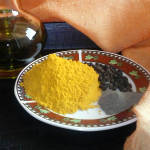
  2. Turmeric (Curcuma longa): The active compound, curcumin, is a powerful anti-inflammatory and antioxidant agent that has been extensively studied for its role in supporting cellular health. It offers a different mechanism of action compared to cruciferous vegetables.

Note: Each alternative has its own unique profile of benefits and contraindications.

Recent Medical Research (2020-2026)

Recent research continues to explore the mechanisms of bioactive compounds in radishes. Studies have largely remained at the preclinical level (cell culture and animal models), reinforcing our understanding without providing conclusive evidence for human disease treatment.

  • A 2022 review published in Molecules highlighted the antioxidant, anti-inflammatory, and antimicrobial properties of various radish extracts, attributing these effects to their rich phytochemical content, including phenolic compounds and isothiocyanates.
  • In vitro studies continue to demonstrate that radish-derived isothiocyanates can inhibit the proliferation of various cancer cell lines. However, these results are preliminary and cannot be extrapolated to humans.

Current Limitations: There is a significant lack of large-scale human clinical trials to confirm the therapeutic effects of radish consumption on chronic diseases like cancer. The current scientific verdict is that radishes are a healthy dietary component, but not a standalone medicine.

Specialist’s Summary

Radishes are a nutritionally valuable cruciferous vegetable that can support overall health, particularly digestive and cardiovascular function, due to their fiber, potassium, and antioxidant content. Their potential role in cellular protection is linked to isothiocyanates, though this is based on preclinical evidence. They are contraindicated for individuals with gallstones and should be consumed with caution by those with hypothyroidism. Validated alternatives with more robust research include broccoli for its sulforaphane content and turmeric for its anti-inflammatory properties.

Frequently Asked Questions

Can eating radishes prevent cancer?
No single food, including radishes, can prevent cancer. However, a diet rich in a variety of vegetables, including cruciferous ones like radishes, is associated with a lower risk of developing certain types of cancer. The benefit comes from the overall dietary pattern, not one specific vegetable.

Are radishes bad for your thyroid?
For most people with normal thyroid function and adequate iodine intake, radishes are not harmful. Individuals with hypothyroidism or iodine deficiency should be cautious with large quantities of raw radishes due to their goitrogenic content. Cooking radishes significantly reduces this risk.

How many radishes can I safely eat per day?
A serving of up to one cup (around 120g) of sliced radishes daily is generally considered safe and healthy for most adults as part of a balanced diet. Exceeding this regularly may cause digestive upset in some individuals.

Sources and References

  1. Manivannan, A., Kim, J. H., Kim, D. S., Lee, E. S., & Lee, H. E. (2022). The Multifaceted Roles of Radish (Raphanus sativus L.) in Agriculture and Human Health. Molecules (Basel, Switzerland), 27(2), 304. https://doi.org/10.3390/molecules27020304
  2. Beevi, S. S., Mangamoori, L. N., Subathra, M., & Edula, J. R. (2012). Hexane extract of Raphanus sativus L. roots inhibits cell proliferation and induces apoptosis in human cancer cells. Plant Foods for Human Nutrition, 67(1), 16-21.


You may also like

1 comment

Chris Gaffney
Chris Gaffney August 8, 2014 - 22:36

What a good idea !

Reply

Leave a Comment