Phytotherapeutic Support for Managing Weight During Perimenopause

by Mihnea Pretorian
1 comment
A+A-
Reset

Perimenopause, the transitional period before menopause, often brings unwelcome changes, including weight gain, particularly around the abdomen. This shift is not merely a matter of calorie intake; it is a complex metabolic response to fluctuating hormones. Specifically, declining estrogen levels can lead to increased insulin resistance and higher cortisol levels, which consequently promotes fat storage. While lifestyle adjustments are fundamental, certain botanicals may offer adjunctive support in navigating these metabolic challenges. This article provides an evidence-based overview of phytotherapeutic strategies, integrated with essential lifestyle modifications, to help manage weight during this transition.

⚠️ IMPORTANT – Medical Consultation Required!

The information provided here is for educational purposes only and does not constitute medical advice. Perimenopause involves significant physiological changes. Therefore, you must consult a qualified healthcare provider before starting any new supplement, herb, or exercise regimen, especially if you have pre-existing health conditions or are taking medication. Self-treatment can be dangerous.

Foundational Lifestyle and Dietary Strategies

Before considering herbal interventions, it is crucial to establish a foundation of healthy habits. Indeed, phytotherapy works best when it complements, rather than replaces, a healthy lifestyle. The following strategies are essential for managing the metabolic shifts of perimenopause.

1. Integrate High-Intensity Interval Training (HIIT)

The exercise routines that were effective in your 30s may yield diminishing returns in your 40s due to metabolic changes. For this reason, researchers often recommend incorporating interval training to enhance caloric expenditure. HIIT involves short bursts of intense exercise alternated with brief recovery periods. For instance, if you regularly walk for fitness, you can introduce intervals by increasing your pace to a brisk walk or jog for 60 seconds every five to seven minutes. This method effectively challenges the cardiovascular system and can improve metabolic rate.

2. Prioritize Strength Training

During perimenopause, women experience age-related muscle loss (sarcopenia), which slows down the resting metabolic rate. Lifting weights two to three times per week for at least 30 minutes is a highly effective countermeasure. Building or maintaining lean muscle mass increases the number of calories your body burns at rest. Furthermore, studies show that consistent resistance training improves body composition and insulin sensitivity. Most individuals report feeling stronger within a few weeks and notice visible changes in muscle tone within six to eight weeks.

3. Adopt a Low-Glycemic Diet

Hormonal fluctuations during perimenopause can lead to increased insulin production and subsequent insulin resistance, promoting abdominal fat storage. Consequently, managing blood sugar levels becomes paramount. Adopting a diet focused on low-glycemic index (GI) foods helps stabilize blood glucose. The GI measures how quickly a food raises blood sugar. Therefore, you should prioritize non-starchy vegetables, lean proteins, whole grains, and healthy fats. Conversely, it is advisable to limit or avoid foods containing refined grains, processed sugars, and white flour, as they cause rapid spikes in blood sugar and insulin.

4. Re-evaluate Beverage Choices

Many people consume diet sodas to limit calorie intake. However, several large-scale studies suggest a correlation between artificial sweetener consumption and weight gain, particularly visceral fat. The exact mechanism is still under investigation, but it may involve alterations to the gut microbiome and an uncoupling of sweet taste from caloric intake. For this reason, replacing diet sodas with water, herbal teas, or sparkling water is a simple yet impactful change that supports metabolic health.

Phytotherapeutic Support for Metabolic Balance

Certain botanicals can provide targeted support for the metabolic challenges of perimenopause. The following herbs have been studied for their effects on insulin sensitivity, cortisol regulation, and overall metabolic function. Always use high-quality, standardized products and adhere to safety protocols.

Green Tea (Camellia sinensis)

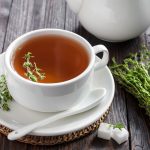
Green tea is rich in polyphenols called catechins, particularly epigallocatechin gallate (EGCG). Researchers have extensively studied EGCG for its thermogenic and metabolism-supporting properties. It may help improve insulin sensitivity and promote the utilization of fat for energy.

help

Administration Protocol and Safety Limits

    • Treatment Duration: Use in cycles of up to 12 consecutive weeks, followed by a mandatory 4-week break to support liver health.
    • Maximum Daily Dose: For a healthy adult, the maximum recommended dose of EGCG from supplements is 300-400 mg per day. As a beverage, 3-4 cups of brewed green tea daily is generally considered safe.
    • Overdose Risk: Exceeding 800 mg of EGCG per day from supplements has been linked to an increased risk of hepatotoxicity (liver damage).
    • Administration Condition: Take green tea extract with food to minimize potential gastric irritation. Avoid taking it on an empty stomach. Due to its caffeine content, avoid consumption in the late afternoon or evening to prevent sleep disturbances.

Specific Biological Limitation

Hepatic Metabolism and Iron Chelation: Green tea catechins, especially EGCG, are metabolized by the liver. In very high concentrations, these compounds can overwhelm hepatic pathways, leading to potential liver stress. Additionally, tannins in green tea can bind to non-heme (plant-based) iron in the digestive tract, reducing its absorption. This effect is significant for individuals with or at risk for iron-deficiency anemia. To mitigate this, consume green tea at least one hour before or after meals rich in iron.

Ashwagandha (Withania somnifera)

Ashwagandha is a premier adaptogenic herb used in Ayurvedic medicine to help the body manage stress. Perimenopause is often a high-stress period, and elevated cortisol levels directly contribute to abdominal fat. Ashwagandha helps modulate the hypothalamic-pituitary-adrenal (HPA) axis, thereby promoting balanced cortisol levels. By mitigating the physiological effects of stress, it can indirectly support healthy weight management.

Administration Protocol and Safety Limits

    • Treatment Duration: Standard use is for 8-12 weeks, followed by a 4-week break to assess continued need and prevent tolerance.
    • Maximum Daily Dose: A typical dose for a healthy adult is 300-600 mg of a standardized root extract (containing 5% withanolides) per day, often divided into two doses.
    • Overdose Risk: High doses may cause gastrointestinal upset, diarrhea, or vomiting. Its sedative effects can be amplified at higher doses.
    • Administration Condition: It can be taken with or without food. Since it can have a calming effect, some individuals prefer taking it in the evening. Avoid combining it with alcohol or other sedatives.

Specific Biological Limitation

Thyroid and Immune Modulation: Ashwagandha may increase thyroid hormone levels (T3 and T4). This can be beneficial for those with subclinical hypothyroidism but poses a significant risk for individuals with hyperthyroidism or those taking thyroid medication, as it could lead to thyrotoxicosis. Furthermore, as an immunomodulator, it may stimulate the immune system, which could be problematic for individuals with autoimmune conditions such as rheumatoid arthritis, lupus, or multiple sclerosis.

Quick Guide: Perimenopause Supplement Safety

Category Details
❌ Who should AVOID • Pregnant or breastfeeding women
• Individuals with liver disease (high-dose Green Tea)
• Individuals with hyperthyroidism or autoimmune disease (Ashwagandha)
• Those with iron-deficiency anemia (caution with Green Tea)
📊 Maximum safe dose Green Tea Extract: 300-400 mg EGCG/day
Ashwagandha Extract: 300-600 mg/day
Treatment duration: 8-12 week cycles with breaks
🚨 ALARM signs • Yellowing of skin or eyes (jaundice)
• Severe stomach pain, nausea, or vomiting
• Heart palpitations or excessive nervousness
• Unusual fatigue or dark urine
💊 Major interactions Green Tea: Anticoagulants (Warfarin), certain blood pressure medications.
Ashwagandha: Thyroid medication, sedatives, immunosuppressants, diabetes drugs.
⏱️ When to consult doctor IMMEDIATELY if alarm signs appear OR
BEFORE starting any new herbal supplement.

💡 Golden rule: When in doubt, always consult a healthcare professional!

Contraindications and Precautions

Absolute Contraindications

    • Pregnancy and Breastfeeding: The safety of these herbs has not been established in these populations. Therefore, their use is contraindicated.
    • Liver Disease: Individuals with pre-existing liver conditions should avoid high-dose green tea extracts due to the risk of hepatotoxicity.
    • Hyperthyroidism: Ashwagandha is contraindicated due to its potential to increase thyroid hormone levels.

Major Drug Interactions

    • Anticoagulants (e.g., Warfarin): Green tea contains Vitamin K, which can decrease the effectiveness of blood-thinning medications.
    • Sedatives and Anxiolytics: Ashwagandha can have additive effects when combined with benzodiazepines, barbiturates, or other CNS depressants.
    • Thyroid Hormones (e.g., Levothyroxine): Ashwagandha may potentiate the effects of thyroid medication, requiring dose adjustments under medical supervision.

Documented Adverse Effects

    • Common: Mild gastrointestinal upset, headache, or sleepiness (Ashwagandha).
    • Rare but Severe: Liver injury (from high-dose green tea extract), thyrotoxicosis (from Ashwagandha in susceptible individuals).

Stop immediately and consult a doctor if you experience any signs of an allergic reaction (rash, hives, difficulty breathing) or symptoms of liver distress (jaundice, dark urine, severe abdominal pain).

Therapeutic Alternatives

If the botanicals mentioned are not suitable for you, other evidence-based options exist.

Botanical Alternatives with Studies

    • Maca (Lepidium meyenii): This adaptogenic root from Peru does not contain phytoestrogens but is thought to nourish the endocrine system, supporting hormonal balance and energy levels, which can aid in maintaining an active lifestyle.
    • Berberine: A compound found in plants like Goldenseal and Oregon Grape, Berberine has demonstrated potent effects on improving insulin sensitivity and activating AMPK, a key metabolic regulator. However, it has significant drug interactions and requires medical supervision.

Pharmacological and Lifestyle Options

    • Metformin: For women with significant insulin resistance or pre-diabetes, a physician may prescribe metformin to improve glucose metabolism.
    • Hormone Replacement Therapy (HRT): Under medical guidance, HRT can alleviate many perimenopausal symptoms, including metabolic changes, by stabilizing estrogen levels.

Note: Each alternative has its own distinct profile of benefits, risks, and contraindications.

Recent Medical Research (2020-2026)

Recent research continues to validate the role of lifestyle and targeted botanicals in managing perimenopausal health. A 2022 meta-analysis confirmed the positive effects of green tea catechins on body weight and fat mass, particularly in studies lasting 12 weeks or longer. Furthermore, a 2022 systematic review on Ashwagandha highlighted its efficacy in reducing perceived stress and serum cortisol levels, reinforcing its role as a valuable tool for stress-related weight gain. Current research limitations include a need for more long-term studies specifically focused on perimenopausal women to determine optimal dosing and duration.

Specialist’s Summary

Managing weight during perimenopause requires a multi-faceted approach centered on lifestyle modifications. Botanicals like Green Tea and Ashwagandha can offer valuable adjunctive support by targeting insulin sensitivity and cortisol regulation, respectively. However, these herbs are not without risks and are contraindicated in individuals with certain health conditions and those taking specific medications. Always prioritize safety, consult with a healthcare provider, and use these tools as part of a holistic health strategy.

Frequently Asked Questions

Can herbs help with perimenopause belly fat?
Certain herbs may indirectly help manage abdominal fat by addressing underlying metabolic issues. For instance, Ashwagandha can help lower cortisol, a stress hormone linked to belly fat storage, while Green Tea and Cinnamon may improve insulin sensitivity. However, no herb can “spot reduce” fat; they must be combined with diet and exercise.

How long does it take for these herbs to show results for weight management?
Phytotherapy is not a quick fix. Consistent use is necessary. For Green Tea extract, metabolic benefits may become apparent after 8-12 weeks. For Ashwagandha, reductions in stress and cortisol levels can often be felt within 4-8 weeks. Results vary significantly based on individual physiology, diet, and lifestyle.

Are these herbs safe to take with HRT (Hormone Replacement Therapy)?
This requires careful medical supervision. While there are no major known contraindications between these specific herbs and standard HRT, the combination can have complex effects on your hormonal and metabolic systems. Always inform your doctor about all supplements you are taking.

What are the best non-herbal alternatives for managing perimenopause weight gain?
The most effective non-herbal strategies are consistent strength training to build muscle mass, high-intensity interval training (HIIT) to boost metabolism, and a diet rich in protein, fiber, and healthy fats while being low in processed carbohydrates and sugar. Prioritizing sleep and stress management are also critical.

Sources and References

    • Onakpoya, I., Spencer, E., Heneghan, C., & Thompson, M. (2013). The effect of green tea on blood pressure and lipid profile: a systematic review and meta-analysis of randomized clinical trials. Journal of Hypertension.
    • Lopresti, A. L., Smith, S. J., Malvi, H., & Kodgule, R. (2022). An investigation into the stress-relieving and pharmacological actions of an ashwagandha (Withania somnifera) extract. Medicine (Baltimore), 98(37).
    • Lin, Y., et al. (2022). The effect of green tea supplementation on obesity: A systematic review and dose-response meta-analysis of randomized controlled trials. Phytotherapy Research.
    • Speers, A. B., Cabey, K. A., Soumyanath, A., & Wright, K. M. (2021). Effects of Withania somnifera (Ashwagandha) on Stress and the Stress-Related Neuropsychiatric Disorders Anxiety, Depression, and Insomnia. Current Neuropharmacology.

Official Monographs:


You may also like

Leave a Comment