4 Surprising Natural Skincare Ingredients: Benefits and Safety Guide

by Andreea Smiterson
0 comments
A+A-
Reset

The connection between personal care and natural ingredients is timeless. While we often seek out familiar botanicals like aloe vera or chamomile, the world of cosmetology contains some surprisingly effective ingredients derived from unexpected natural sources. However, moving beyond the familiar requires a clear understanding of what these ingredients are, how they work, and most importantly, how to use them safely.

Instead of focusing on sensationalism, this guide provides an evidence-based look at four unusual yet scientifically interesting ingredients found in modern beauty and personal care products. As a phytotherapy specialist, my goal is to clarify their function, outline their benefits based on current research, and provide essential safety protocols to ensure responsible use.

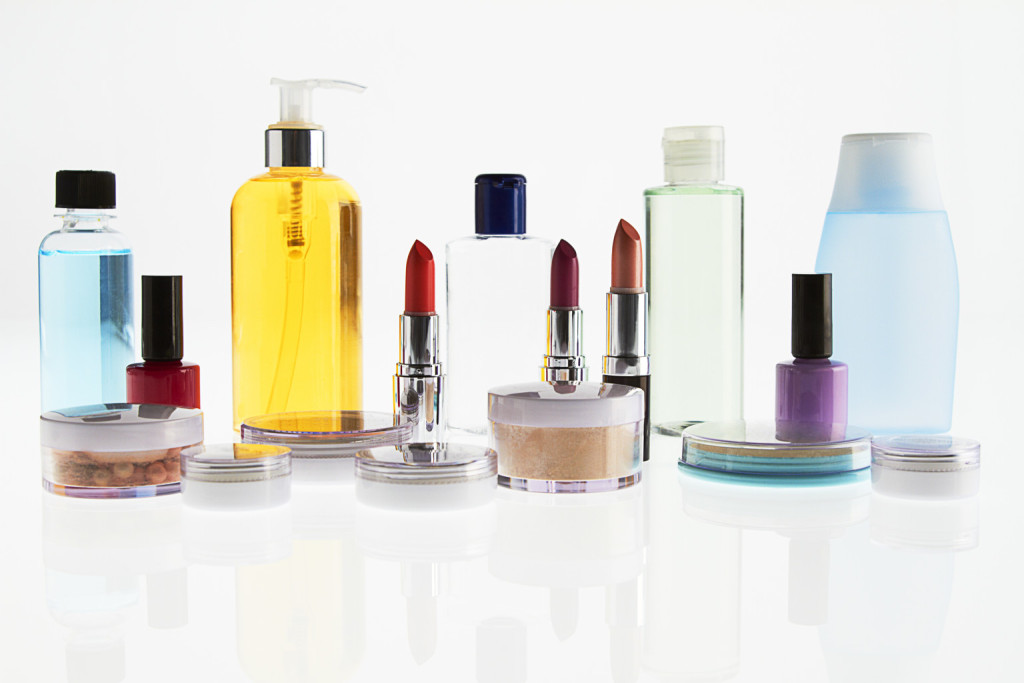
unusual ingredients for beauty products

1. Snail Mucin (Snail Secretion Filtrate)

Once a niche ingredient, snail mucin has become a cornerstone of many hydrating and regenerative skincare lines. Far from being just “slime,” this complex biological secretion is rich in compounds beneficial for the skin.

How It Works: A Hydrating and Regenerative Complex

Snail secretion filtrate is a naturally produced cocktail of beneficial molecules. According to research published in journals like the Journal of Drugs in Dermatology, its efficacy comes from a synergistic blend of components:

  • Glycosaminoglycans (GAGs): Notably hyaluronic acid, which attracts and retains moisture, providing deep hydration and plumping the skin.
  • Glycoproteins and Peptides: These support the skin’s natural structure, potentially aiding in cell turnover and repair processes.
  • Allantoin: A compound known for its soothing and skin-conditioning properties, traditionally used to calm irritation.
  • Antioxidants: Vitamins A and E, which help protect the skin from environmental stressors and oxidative damage.

Administration Protocol and Safety Limits

Snail mucin is intended for topical use only and is generally well-tolerated for daily application.

  • Application: Apply a thin layer to clean, damp skin to maximize absorption. It can be used once or twice daily.
  • Product Type: Commonly found in serums, essences, and moisturizers.
  • Patch Test: Always perform a patch test on a small area of skin (like the inner arm) for 24 hours before applying to the face to rule out sensitivity.

Contraindications and Precautions

While generally safe, some precautions are necessary.

  • Allergies: Individuals with allergies to mollusks or dust mites (which can cross-react) should avoid snail mucin products.
  • Broken Skin: Do not apply to open wounds or infected skin unless the product is specifically formulated for that purpose.
  • When to stop immediately: Discontinue use if you experience redness, itching, or hives.

Therapeutic Alternatives

If snail mucin is not suitable for you, consider these botanical alternatives for hydration and skin soothing:

  1. Snow Mushroom (Tremella fuciformis): This fungus contains polysaccharides that are structurally similar to hyaluronic acid and are excellent humectants, drawing moisture into the skin.
  2. Centella Asiatica (Gotu Kola): Rich in madecassoside, this plant is renowned for its calming, anti-inflammatory, and wound-healing support properties.

2. Capsaicin (from Chili Peppers)

The compound that gives chili peppers their heat, capsaicin, is a potent ingredient in topical analgesic creams for muscle and joint discomfort. It is not a “calming” ingredient in the traditional sense; its mechanism is far more complex.

How It Works: Depleting Pain Signals

Capsaicin is a TRPV1 (Transient Receptor Potential Vanilloid 1) receptor agonist. When applied topically, it initially causes a warming or burning sensation by activating these nerve receptors. However, with repeated application, it desensitizes these nerve endings and depletes Substance P, a neurotransmitter responsible for sending pain signals to the brain. This mechanism is why it’s used for temporary relief of minor aches and pains.

Administration Protocol and Safety Limits

Strict adherence to safety protocols is critical when using capsaicin topically.

  • Maximum Daily Dose: Apply a very thin layer to the affected area no more than 3-4 times per day.
  • Treatment Duration: Use should be limited. If symptoms persist after 7 days, consult a healthcare provider. Do not use for extended periods without medical supervision.
  • Application Method: ALWAYS wash your hands thoroughly with soap and water immediately after application. Avoid touching your eyes, nose, mouth, or any sensitive areas. Wearing gloves during application is highly recommended.

Contraindications and Precautions

Capsaicin is potent and not suitable for everyone.

  • Absolute Contraindications: Do not apply to broken, irritated, or damaged skin. Avoid use on the face or near mucous membranes.
  • Vulnerable Populations: Not recommended for children under 18. Pregnant or breastfeeding women should consult a doctor before use.
  • Adverse Effects: A burning sensation, stinging, and redness are common upon initial application but usually decrease with subsequent use. If the sensation is severe or blistering occurs, wash the area immediately and discontinue use.

Therapeutic Alternatives

For topical relief without the intense heat of capsaicin, consider:

  1. Arnica (Arnica montana): Used in gels and creams for bruising, swelling, and muscle soreness. It should only be used on unbroken skin.
  2. Comfrey (Symphytum officinale): The root and leaf are used topically for pain and inflammation. Warning: Only use products made from pyrrolizidine alkaloid (PA)-free extracts due to potential liver toxicity if absorbed systemically.

3. Carmine (from Cochineal)

This vibrant red pigment is not a plant but is derived from the dried, crushed bodies of the cochineal insect (Dactylopius coccus), which feeds on cacti in South and Central America. It is a natural alternative to synthetic red dyes like FD&C Red No. 40.

How It Works: A Natural Pigment

The insect produces carminic acid as a defense mechanism. When processed, this acid binds with aluminum or calcium salts to create carmine, a stable and brilliant red colorant used extensively in food, textiles, and cosmetics like lipstick, blush, and eyeshadow.

Safety and Allergenic Potential

The primary health concern with carmine is its potential to cause allergic reactions. While safe for most people, it can trigger reactions ranging from mild contact dermatitis (skin rash) to, in rare cases, severe anaphylactic shock. Individuals with known sensitivities to colorants or a history of allergies should be cautious.

Contraindications and Precautions

  • Allergies: Anyone with a known allergy to carmine, cochineal extract, or carminic acid must avoid all products containing it.
  • Labeling: Look for “carmine,” “cochineal extract,” “CI 75470,” or “natural red 4” on ingredient lists.
  • Vegan Products: As an insect-derived product, carmine is not vegan.

Therapeutic Alternatives

For those seeking vegan or non-allergenic red pigments in cosmetics, botanical options include:

  1. Beetroot Powder (Beta vulgaris): Provides a range of pink to reddish hues, though it can be less stable than carmine.
  2. Alkanet Root (Alkanna tinctoria): This root produces a red dye that can be infused into oils to create natural colorants for lip balms and salves.

4. Diatomaceous Earth

Often misleadingly linked to dynamite (which historically used it as a stabilizer), diatomaceous earth (DE) is a naturally occurring, soft, siliceous sedimentary rock. It is composed of the fossilized remains of diatoms, a type of hard-shelled algae.

How It Works: A Gentle Physical Abrasive

The microscopic, porous structure of food-grade DE makes it a gentle physical exfoliant. Its fine particles help to slough off dead skin cells and absorb excess oil from the skin’s surface. It is used in products like facial scrubs, masks, and even toothpaste for its mild abrasive and purifying properties.

Administration Protocol and Safety Limits

It is crucial to distinguish between different grades of DE.

  • Use Only Food-Grade DE: For cosmetic or personal care, only “food-grade” DE should be used. Industrial or filter-grade DE is heat-treated (calcined) and contains high levels of crystalline silica, which is dangerous if inhaled.
  • Inhalation Risk: Avoid inhaling DE powder, as it can irritate the respiratory tract. Work in a well-ventilated area when handling the loose powder.

Contraindications and Precautions

  • Sensitive Skin: As with any physical exfoliant, those with very sensitive, dry, or rosacea-prone skin should use DE with caution or avoid it, as it can be too abrasive.
  • Over-Exfoliation: Limit use to 1-2 times per week to avoid disrupting the skin’s natural barrier.

Therapeutic Alternatives

For gentle exfoliation, consider these alternatives:

  1. Jojoba Beads: These are small, smooth spheres made from hardened jojoba oil. They provide gentle exfoliation without the risk of micro-tears.
  2. Bamboo Powder: A fine, silky powder derived from bamboo that offers mild exfoliation and is rich in natural silica.

Recent Medical Research (2020-2026)

Recent studies continue to explore the dermatological applications of these ingredients. A 2021 review in the journal Molecules reaffirmed the potential of snail secretion filtrate in promoting skin regeneration and hydration, highlighting its complex composition. Furthermore, research into capsaicin’s topical use is ongoing, with a 2022 meta-analysis in Pain and Therapy confirming its efficacy for certain types of neuropathic pain, underscoring the importance of its precise mechanism. Research on natural colorants and exfoliants focuses on stability, safety, and sustainability, with a growing consumer demand for well-vetted, natural-derived ingredients.

Specialist’s Summary

Unusual natural ingredients like snail mucin and capsaicin offer targeted benefits for hydration and pain relief, respectively, based on specific biochemical mechanisms. However, their use requires caution. Snail mucin is contraindicated for those with mollusk allergies, while capsaicin demands strict handling to avoid severe irritation. Natural alternatives like Snow Mushroom for hydration or Arnica for pain relief are available for those who cannot use these ingredients. Always prioritize a patch test and consult ingredient lists for potential allergens like carmine.

Frequently Asked Questions

1. Is snail mucin ethically sourced?
Reputable cosmetic brands typically source snail mucin from farms where snails are kept in controlled environments and stimulated to secrete mucin without being harmed. Consumers concerned about ethics should research brand-specific sourcing practices.

2. Can capsaicin cream cause permanent damage?
When used as directed, capsaicin cream is not known to cause permanent damage. However, misuse—such as applying it to broken skin, using too much, or getting it in the eyes—can cause severe chemical burns and intense pain. Following safety protocols is essential.

3. Why is carmine still used if it can cause allergies?
Carmine is still widely used because it is a highly stable, effective, and vibrant natural red pigment that is safe for the vast majority of the population. For non-allergic individuals, it is considered a safe alternative to synthetic petroleum-based dyes.

Sources and References

  • Gugliandolo, E., et al. (2021). Snail Secretion Filtrate in Skin Care: A New Paradigm of Natural Sources in Cosmeceuticals. Molecules.
  • Derry, S., et al. (2022). Topical Capsaicin for Neuropathic Pain in Adults. Pain and Therapy.
  • European Medicines Agency (EMA). Community herbal monograph on Arnica montana L., flos.

⚠️ Important Medical Information

This article is for educational and informational purposes only and is not intended as medical advice, diagnosis, or treatment. The information provided about these cosmetic ingredients is based on traditional use, preliminary research, and available scientific evidence, which may be limited.

Before using products with these ingredients:

  • Consult a qualified healthcare provider or dermatologist, especially if you are pregnant, breastfeeding, taking medications, or have existing health conditions like sensitive skin or allergies.
  • Do not use as a substitute for prescribed medications or professional medical treatment.
  • Individual results may vary – what works for one person may not work for another.
  • Always perform a patch test before applying a new product to your face and monitor for adverse reactions. Discontinue use if negative symptoms occur.

Regulatory status: These ingredients are used in cosmetic products and are not evaluated by the FDA for treating, curing, or preventing any disease.


You may also like

Leave a Comment