A Guide to Lung Cancer Symptoms and Supportive Herbal Care

by Andreea Smiterson
1 comment
A+A-
Reset

Important Notice: This article is for informational purposes only. Lung cancer is a serious medical condition that requires diagnosis and treatment by a qualified oncologist. The information provided here is intended to complement, not replace, conventional medical care. Always consult your healthcare team before starting any new supplement or herbal remedy, especially during cancer treatment.

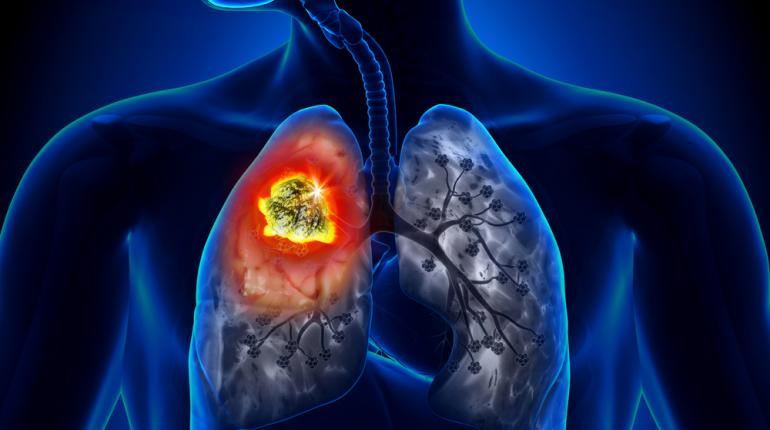
Lung cancer is one of the most prevalent cancers globally, affecting both men and women. According to the World Health Organization (WHO), it is a leading cause of cancer-related deaths. However, early detection significantly improves treatment outcomes. Therefore, recognizing the potential warning signs is crucial. This guide explains the key symptoms associated with lung cancer and explores how specific, evidence-informed herbal therapies may offer supportive care alongside conventional medical treatment to improve quality of life.

lung cancer signs

Recognizing the Primary Symptoms of Lung Cancer

Symptoms of lung cancer can be subtle and may be mistaken for other common illnesses. Consequently, paying close attention to persistent or worsening changes in your body is vital. If you experience any of the following, it is essential to consult a doctor for a proper evaluation.

Respiratory and Chest-Related Signs

  • A Persistent or Worsening Cough: A cough associated with a cold or respiratory infection typically resolves within a few weeks. In contrast, a chronic cough that lingers for more than three weeks, or a long-standing “smoker’s cough” that changes in sound (becoming deeper or hoarse) or character, warrants medical attention.
  • Shortness of Breath (Dyspnea): If you find yourself becoming breathless during routine activities that were previously manageable, such as climbing stairs or carrying groceries, it could indicate an issue. This may occur if a tumor is blocking a major airway or if fluid has accumulated in the chest (pleural effusion).
  • Chest Pain: Lung cancer can cause persistent pain in the chest, shoulder, or back. This pain may be dull and aching or sharp and intense. Furthermore, it often worsens with deep breathing, coughing, or laughing. For approximately one in four individuals, chest pain is an early indicator.
  • Coughing Up Blood (Hemoptysis): Coughing up even a small amount of blood is a significant warning sign that should never be ignored.

Systemic (Whole-Body) Symptoms

  • Unexplained Weight Loss and Loss of Appetite: Losing weight without changes in diet or exercise can be a sign of many cancers, including lung cancer. This condition, known as cachexia, occurs as cancer cells consume the body’s energy reserves.
  • Profound Fatigue and Weakness: Feeling unusually tired or weak, to the point where it interferes with daily life, is a common symptom. This is not the same as normal tiredness; it is an overwhelming exhaustion that rest does not alleviate. This occurs because cancer affects oxygen levels, red blood cells, and adrenal function.
  • Frequent Infections: Recurring infections like bronchitis or pneumonia that do not resolve easily can be a sign of an underlying problem. Lung cancer can weaken the immune system and block airways, making the lungs more susceptible to infection.

Other Potential Indicators

  • Hoarseness: A noticeable change in your voice that becomes raspy or hoarse and persists could be a symptom.
  • Hormonal Changes in Men: In some cases, lung tumors can produce hormones that lead to the enlargement of breast tissue in men, a condition called gynecomastia.

The Role of Supportive Phytotherapy in Lung Cancer Care

It is critical to understand that no herbal remedy can treat or cure lung cancer. However, certain plants have been studied for their potential to support the body, manage side effects of conventional treatments like chemotherapy and radiation, and improve overall quality of life. This is known as integrative or complementary oncology.

The following herbs should only be used under the direct supervision of a healthcare provider and oncologist to avoid harmful interactions.

1. Astragalus (Astragalus membranaceus) for Immune Support

Astragalus is an adaptogenic herb with a long history of use in Traditional Chinese Medicine (TCM) to strengthen the body’s resistance. Modern research has focused on its immunomodulatory properties.

According to a meta-analysis published in the Journal of Clinical Oncology, evidence suggests that when combined with platinum-based chemotherapy, Astragalus-based therapies may help increase treatment efficacy and reduce side effects like fatigue and nausea. Its active compounds, particularly polysaccharides, are believed to enhance the activity of immune cells.

Administration Protocol and Safety Limits

  • Form: Standardized extracts or decoctions (boiled root tea).
  • Maximum Daily Dose: Typically 20-30 grams of dried root in decoction, or 500 mg of a standardized extract (containing 70% polysaccharides) taken 2-3 times daily.
  • Treatment Duration: Often used in cycles of 4-6 weeks, followed by a 1-2 week break.
  • Administration: Best taken with food to avoid mild gastrointestinal upset.
  • Overdose Risk: Exceeding recommended doses may lead to immunosuppressive effects, contrary to the intended purpose.

Specific Biological Limitation

Astragalus is an immunomodulator, meaning it influences the immune system. This action can be beneficial but becomes potentially harmful for individuals with autoimmune diseases (e.g., rheumatoid arthritis, lupus) as it could theoretically trigger a flare-up. It is also contraindicated for those on immunosuppressant drugs following an organ transplant.

Contraindications and Precautions

  • Absolute Contraindications: Autoimmune diseases, organ transplant recipients.
  • Vulnerable Populations: Not recommended during pregnancy or breastfeeding due to a lack of safety data.
  • Major Drug Interactions: May interfere with immunosuppressant medications (e.g., cyclosporine) and potentially lithium.

2. Turkey Tail Mushroom (Trametes versicolor) for Adjunctive Care

Turkey Tail is a medicinal mushroom extensively researched for its role in supportive cancer care, particularly in Japan. It contains potent immune-modulating compounds called polysaccharide-K (PSK) and polysaccharide peptide (PSP).

Numerous clinical trials have investigated PSK as an adjunct to conventional cancer therapy. A comprehensive review published in Integrative Cancer Therapies noted that PSK may improve survival rates and immune parameters in patients with certain cancers when used alongside chemotherapy.

Administration Protocol and Safety Limits

  • Form: Standardized hot-water extracts are most effective, as this method isolates the beneficial polysaccharides.
  • Maximum Daily Dose: 3-6 grams of a standardized extract daily, divided into two or three doses.
  • Treatment Duration: Can be used long-term under medical supervision.
  • Administration: Take with meals.

Specific Biological Limitation

The primary action of Turkey Tail is stimulating immune cells like natural killer (NK) cells. While this is generally desirable in oncology, its use must be carefully coordinated with an oncologist, especially if the patient is undergoing immunotherapy, to avoid over-stimulating the immune system.

Contraindications and Precautions

  • Absolute Contraindications: Known allergies to mushrooms.
  • Vulnerable Populations: Safety in pregnancy and breastfeeding has not been established.
  • Major Drug Interactions: Caution is advised with immunosuppressants.
  • Documented Adverse Effects: Generally well-tolerated. Rare side effects include mild digestive upset or darkening of fingernails.

Therapeutic Alternatives

If the herbs above are not suitable, other options may be considered for supportive care, always in consultation with a healthcare provider.

Alternative Primary Use in Supportive Care Mechanism
Ginger (Zingiber officinale) Management of chemotherapy-induced nausea and vomiting (CINV). Contains gingerols and shogaols, which have antiemetic effects by acting on serotonin receptors in the gut.
Siberian Ginseng (Eleutherococcus senticosus) Combating cancer-related fatigue and supporting physical endurance. An adaptogen that helps the body cope with stress by modulating the hypothalamic-pituitary-adrenal (HPA) axis.
Conventional Medications Prescription antiemetics (e.g., ondansetron) for nausea or psychostimulants for severe fatigue. These are standard-of-care pharmacological options prescribed by an oncologist to manage treatment side effects.

Note: Each alternative has its own specific contraindications and potential for drug interactions.

Recent Medical Research (2020-2026)

The field of integrative oncology is rapidly evolving. Recent research continues to validate the supportive role of certain natural compounds while clarifying their mechanisms and safety profiles.

  • A 2023 meta-analysis in Frontiers in Pharmacology reinforced the findings that specific Astragalus preparations, when used adjunctively, can improve the quality of life and immune function in patients with non-small cell lung cancer undergoing chemotherapy.
  • Research published in the International Journal of Molecular Sciences (2022) continues to explore the complex ways in which mushroom polysaccharides from sources like Turkey Tail interact with gut microbiota to enhance systemic immune responses, highlighting a new dimension of their supportive action.

Current Limitations: While promising, much of the research is on specific, standardized extracts. The effects of whole herbs or different preparations may vary. Furthermore, large-scale human trials are still needed to establish definitive protocols for many botanicals.

Specialist’s Summary

Recognizing the early signs of lung cancer is the most critical step toward a better prognosis. Persistent respiratory or systemic symptoms demand immediate medical evaluation. For those undergoing treatment, phytotherapy offers a supportive role, not a curative one. Herbs like Astragalus and Turkey Tail Mushroom are useful for enhancing immune resilience and improving quality of life, with moderate effects observed in clinical settings. However, they are contraindicated in autoimmune conditions and require strict medical supervision due to potential interactions with conventional cancer therapies.

Frequently Asked Questions

1. Can any herbal remedies cure lung cancer?
No. There is no scientific evidence that any herb, supplement, or natural remedy can cure lung cancer. These therapies should only be considered as supportive measures to be used alongside standard medical treatments like chemotherapy, radiation, and immunotherapy.

2. Is it safe to take herbs during chemotherapy?
It can be very dangerous without medical supervision. Many herbs can interact with chemotherapy drugs, either reducing their effectiveness or increasing their toxicity. You must get approval from your oncologist before taking any supplement.

3. Which herbs are best for managing cancer-related fatigue?
Adaptogenic herbs like Siberian Ginseng (Eleutherococcus senticosus) and Ashwagandha (Withania somnifera) are traditionally used to help the body manage stress and combat fatigue. However, their use in cancer patients requires professional guidance to ensure safety and appropriateness.

Sources and References

  1. Zhong, L., et al. (2021). “Astragalus-Based Chinese Herbal Medicine for Non-Small Cell Lung Cancer: A Systematic Review and Meta-Analysis.” Frontiers in Oncology.
  2. PDQ® Integrative, Alternative, and Complementary Therapies Editorial Board. (2023). “Medicinal Mushrooms (PDQ®): Health Professional Version.” PDQ Cancer Information Summaries [Internet]. Bethesda (MD): National Cancer Institute (US).
  3. Salehi, B., et al. (2022). “Zingiber officinale (Ginger): A Comprehensive Review of Its Phytochemical, and Pharmacological Properties.” Molecules.

⚠️ Important Medical Information

This article is for educational and informational purposes only and is not intended as medical advice, diagnosis, or treatment. The information provided about supportive herbal care for lung cancer is based on traditional use, preliminary research, and available scientific evidence, which may be limited.

Before using any herbal remedy:

  • Consult a qualified healthcare provider and your oncologist, especially as a cancer patient undergoing treatment. Drug-herb interactions can be severe.
  • Do not use as a substitute for prescribed medications or professional medical treatment for lung cancer.
  • Individual results may vary – what works for one person may not work for another.
  • Monitor for adverse reactions and discontinue use if negative symptoms occur.

Regulatory status: The herbs discussed are considered dietary supplements and have not been evaluated by the FDA for treating, curing, or preventing any disease.


You may also like

1 comment

Daisy Daisy
Daisy Daisy December 19, 2015 - 06:13

Very interesting

Reply

Leave a Comment