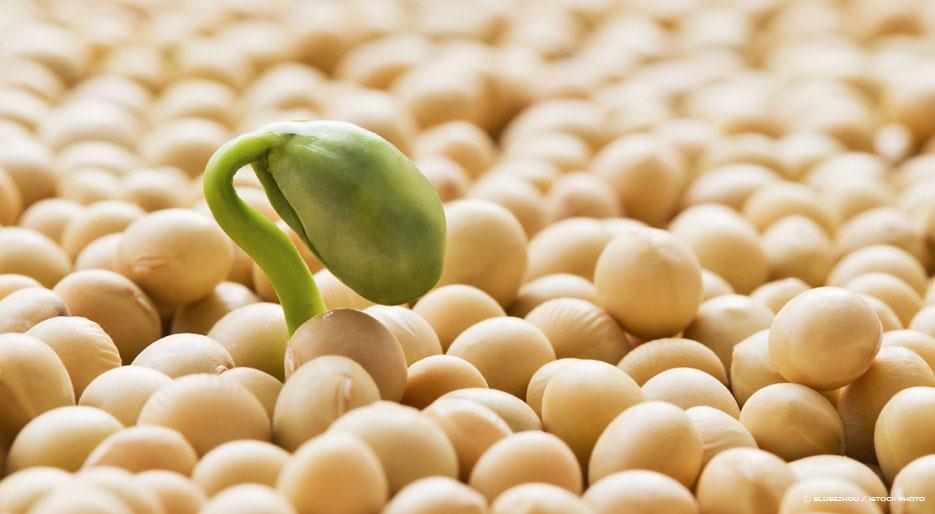
The relationship between soy consumption and breast cancer risk is a topic of significant debate and confusion. For years, soy’s rich nutritional profile—boasting high-quality protein, fiber, potassium, and magnesium—has positioned it as a health food. However, its natural compounds, known as isoflavones, have raised questions about its safety, particularly concerning hormone-sensitive cancers. As a phytotherapy specialist, my goal is to clarify this complex topic using evidence-based information, separating scientific findings from widespread myths.

This article will objectively examine the scientific evidence, explain the biological mechanisms of soy isoflavones, and provide clear safety guidelines for incorporating soy into your diet.
The Phytoestrogen Paradox: How Soy Isoflavones Work
The primary concern regarding soy stems from its high concentration of isoflavones, particularly genistein and daidzein. These compounds are classified as phytoestrogens, meaning they are plant-derived substances with a chemical structure similar to human estrogen. Consequently, they can bind to estrogen receptors in the body. This is where the confusion begins.
Because some breast cancers (known as estrogen receptor-positive or ER+) are stimulated by estrogen, the fear was that phytoestrogens from soy could fuel cancer growth. However, this view is overly simplistic. In fact, research indicates that soy isoflavones act as Selective Estrogen Receptor Modulators (SERMs). This means their effect depends on the tissue type and the body’s own estrogen levels.
- Anti-Estrogenic Effect: In premenopausal women with high natural estrogen levels, isoflavones can compete with the body’s more potent estrogen for receptor sites. By blocking the stronger estrogen from binding, they can exert a weak, anti-estrogenic, and potentially protective effect in tissues like the breast.
- Weak Estrogenic Effect: In postmenopausal women with low natural estrogen levels, isoflavones can provide a mild estrogenic effect, which may help with menopausal symptoms and support bone density without strongly stimulating breast tissue.
Furthermore, studies show isoflavones have a higher affinity for estrogen receptor beta (ER-β) than estrogen receptor alpha (ER-α). Importantly, ER-α activation is linked to cancer cell proliferation, while ER-β activation is often associated with anti-proliferative and pro-apoptotic (cell death) effects.
What Population Studies and Clinical Trials Reveal
Decades of research have provided valuable insights, though it’s crucial to distinguish between different types of studies and populations.
1. Evidence from Asian Populations
Observational studies have consistently shown that women in Asian countries, who traditionally consume moderate amounts of whole soy foods throughout their lives, have significantly lower rates of breast cancer compared to women in Western countries. For instance, this lifelong, moderate intake is associated with a reduced risk of developing breast cancer.
2. Evidence in Western Populations and Breast Cancer Survivors
The most pressing question for many is whether soy is safe after a breast cancer diagnosis. Initially, caution was advised. However, recent, more robust evidence has shifted this perspective. According to a large 2022 meta-analysis involving over 11,000 breast cancer patients, soy isoflavone intake was not associated with an increased risk of recurrence. In fact, it was linked to a significant reduction in mortality.
Therefore, current clinical consensus from organizations like the American Institute for Cancer Research (AICR) suggests that moderate consumption of whole soy foods is safe for breast cancer survivors.
Administration Protocol and Safety Limits
For soy, the focus should be on dietary intake of whole foods rather than high-dose supplements. The protective effects observed in studies are linked to moderate, consistent consumption of traditional soy products.
| Soy Food | One Serving Size | Approx. Isoflavone Content |
|---|---|---|
| Tofu (firm) | 1/2 cup (approx. 120g) | 20-30 mg |
| Tempeh | 1/2 cup (approx. 80g) | 30-40 mg |
| Soy Milk (unsweetened) | 1 cup (240 ml) | 6-10 mg |
| Edamame (shelled) | 1/2 cup (approx. 75g) | 15-25 mg |
Guidelines for Safe Consumption
- Treatment Duration: Soy should be viewed as a regular part of a balanced diet, not a short-term “treatment.” Consistent, lifelong consumption is the model associated with health benefits.
- Maximum Daily Dose: A moderate intake of 1 to 3 servings of whole soy foods per day is considered safe and potentially beneficial. This equates to approximately 25 to 100 mg of isoflavones daily.
- Overdose Risk: While dietary overdose is nearly impossible, high-dose isoflavone supplements (over 100 mg/day) are not recommended without medical supervision, as their long-term effects are not well understood. Stick to food sources.
- Method of Consumption: Prioritize whole or minimally processed soy foods like tofu, tempeh, edamame, and unsweetened soy milk. Highly processed soy protein isolates, found in some protein bars and powders, lack the synergistic nutrients of the whole bean and have been studied less extensively.
Specific Biological Limitation
Goitrogenic Potential: Soy contains compounds called goitrogens, which can interfere with thyroid hormone synthesis by inhibiting the enzyme thyroid peroxidase. This effect is generally weak and clinically insignificant for individuals with healthy thyroid function and adequate iodine intake. However, for people with pre-existing, untreated hypothyroidism or iodine deficiency, high soy consumption could potentially worsen their condition. It is crucial for these individuals to ensure their thyroid medication is optimized and their iodine status is sufficient before regularly consuming soy.
Contraindications and Precautions
Absolute Contraindications
- Soy Allergy: Individuals with a diagnosed soy allergy must avoid all soy products.
Vulnerable Populations
- Pregnancy and Breastfeeding: Moderate dietary intake of whole soy foods is generally considered safe. However, high-dose isoflavone supplements should be avoided.
- Children: Soy-based infant formula is a safe option when necessary. For children, whole soy foods can be part of a balanced diet.
- Thyroid Conditions: As mentioned, individuals with hypothyroidism should consult their healthcare provider. It is also advised to take thyroid medication at least 4 hours apart from consuming soy products to ensure proper absorption.
Major Drug Interactions
- Thyroid Hormones (Levothyroxine): Soy can impair the absorption of this medication. Separate intake by at least four hours.
- Tamoxifen: While initial concerns existed, recent research suggests soy may work synergistically with tamoxifen. A 2023 study published in Cancer found that soy food consumption was associated with a reduced risk of recurrence among postmenopausal patients receiving anastrozole therapy. Nevertheless, patients should always discuss their diet with their oncologist.
Therapeutic Alternatives for Breast Health
If soy is not suitable for you, other dietary and lifestyle strategies are well-supported by research for promoting breast health.
- Flaxseeds: Rich in lignans, another type of phytoestrogen, flaxseeds have been studied for their potential role in reducing breast cancer risk. Aim for 1-2 tablespoons of ground flaxseed daily.
- Cruciferous Vegetables: Vegetables like broccoli, cauliflower, kale, and Brussels sprouts contain compounds like sulforaphane and indole-3-carbinol, which support healthy estrogen metabolism.
- Green Tea: The catechins in green tea, particularly epigallocatechin gallate (EGCG), have demonstrated anti-cancer properties in laboratory studies. Regular consumption of 2-3 cups per day may be beneficial.
- Lifestyle Factors: Maintaining a healthy body weight, engaging in regular physical activity, and limiting alcohol consumption are among the most impactful strategies for reducing breast cancer risk.
Recent Medical Research (2020-2026)
Modern research continues to reinforce the safety and potential benefits of dietary soy.
- 2023 Study in Cancer: This study on postmenopausal breast cancer patients found that higher soy food intake was associated with a reduced risk of recurrence, particularly in those receiving aromatase inhibitor therapy.
- 2022 Meta-analysis in Frontiers in Nutrition: A comprehensive review concluded that soy intake is associated with a reduced risk of breast cancer in both pre- and post-menopausal women and does not increase the risk of recurrence in survivors.
Current Limitations: While evidence is strong, most data comes from observational studies. More long-term randomized controlled trials are needed to confirm these findings definitively, especially regarding different soy preparations and specific cancer subtypes.
Specialist’s Summary
Dietary soy from whole foods, consumed in moderation (1-3 servings daily), appears safe and is associated with a reduced risk of breast cancer development and recurrence. Its isoflavones act as natural SERMs, providing a protective, anti-estrogenic effect in high-estrogen environments. High-dose isoflavone supplements should be avoided in favor of traditional foods like tofu, tempeh, and edamame. Individuals with hypothyroidism should consult their doctor. Validated alternatives for breast health include incorporating flaxseeds, cruciferous vegetables, and green tea into a healthy lifestyle.
Frequently Asked Questions
1. Is it safe for breast cancer survivors to eat soy?
Yes. Major cancer research organizations, supported by recent large-scale studies, conclude that moderate consumption of whole soy foods is safe for breast cancer survivors, including those with ER+ cancer, and may even be associated with better outcomes.
2. What is the difference between whole soy foods and soy supplements?
Whole soy foods (like tofu and edamame) contain a matrix of fiber, protein, vitamins, and minerals alongside isoflavones. Soy supplements contain highly concentrated doses of isolated isoflavones. The health benefits seen in population studies are linked to whole foods, not supplements, which are not recommended for cancer prevention or treatment.
3. Will eating soy affect my thyroid?
For individuals with normal thyroid function and adequate iodine intake, moderate soy consumption is unlikely to cause any problems. If you have hypothyroidism, ensure your condition is well-managed with medication and discuss your diet with your healthcare provider. Always take thyroid medication several hours apart from soy products.
Sources and References
- Zhang, YF., et al. (2022). Association between soy food consumption and risk of breast cancer and its subtypes. Frontiers in Nutrition.
- Cunha, D., et al. (2023). Soy food consumption and breast cancer recurrence and mortality risk. Cancer.
- American Institute for Cancer Research (AICR). (n.d.). Soy: Is it Harmful or Helpful?.
⚠️ Important Medical Information
This article is for educational and informational purposes only and is not intended as medical advice, diagnosis, or treatment. The information provided about Soy is based on traditional use, preliminary research, and available scientific evidence, which may be limited.
Before using Soy:
- Consult a qualified healthcare provider, especially if you are pregnant, breastfeeding, taking medications, or have existing health conditions like a history of breast cancer or thyroid disorders.
- Do not use as a substitute for prescribed medications or professional medical treatment.
- Individual results may vary – what works for one person may not work for another.
- Monitor for adverse reactions and discontinue use if negative symptoms occur.
Regulatory status: Soy is a food product. Soy isoflavone supplements are considered dietary supplements and have not been evaluated by the FDA for treating, curing, or preventing any disease.
3 comments
Women must stop using aerosol deodorants… Probably the cause
NOOOOOOOOOOOOOOOOOOO! this was genetically modified over 45 years ago and is probably the cause of a lot of cancers. Ever wondered why one of the “beatles” wife died when she was a total vegan?
No way! Soy is the liver of the earth, it detoxes and therefore is highly toxic to humans.