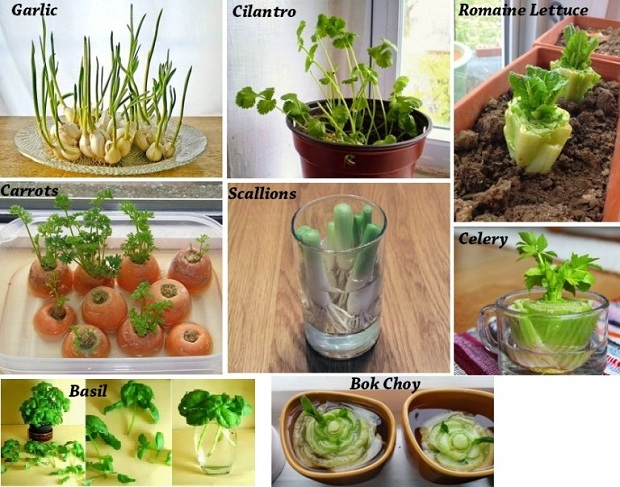
Regrow Your Groceries: A Practical Guide to 8 Vegetables from Kitchen Scraps

by Elena Martin
1 comment
A+A-
Reset

Growing vegetables from kitchen scraps is an excellent way to reduce food waste and enjoy fresh greens at home. While the idea of regrowing produce “forever” is an overstatement, this process, known as vegetative propagation, allows you to get a second harvest of leaves, shoots, or greens from the base or stem of a store-bought vegetable. However, it requires careful attention to safety and hygiene to ensure the food you grow is healthy and free from contaminants.

This guide, written from a phytotherapy and plant science perspective, provides realistic instructions and essential safety protocols for successfully and safely regrowing common vegetables indoors.

Vegetables-You-Buy-Once-And-Regrow-Forever

Crucial Safety Protocols for Regrowing Vegetables

Before you begin, it is essential to understand that regrowing vegetables in water creates an environment where bacteria and mold can thrive. Therefore, following strict hygiene practices is not optional—it is critical for food safety.

  • Use Fresh, Healthy Scraps: Only use scraps from fresh, firm, and mold-free vegetables. Discard any parts that are slimy, discolored, or have a foul odor.
  • Practice Container Hygiene: Always use thoroughly cleaned glass or ceramic containers. Avoid plastic, which can harbor bacteria in scratches. Wash containers with hot, soapy water between uses.
  • Change the Water Daily: Stagnant water is a breeding ground for harmful bacteria like E. coli and Salmonella. Consequently, you must replace the water every 24 hours with fresh, clean water to prevent microbial growth and keep the plant healthy.
  • Ensure Proper Airflow: Good air circulation helps prevent the growth of mold on the plant and water surface. Avoid placing your containers in stagnant, humid corners.
  • Monitor for Spoilage: Immediately discard any project if you notice a slimy film on the roots, a foul smell, or visible mold. These are clear signs of bacterial or fungal contamination.

8 Vegetables to Regrow from Scraps

Here are detailed instructions for regrowing eight common vegetables, along with expert notes on what to expect from your harvest.

1. Scallions (Green Onions)

Scallions are one of the easiest and most rewarding vegetables to regrow.

Method: Cut the scallions about an inch from the root. Place the root-ends in a glass with just enough water to cover the roots, but not the top of the cutting. Position the glass in a well-lit area. You will see new green shoots emerge in just a few days.

Phytotherapist’s Note: You are regrowing the green, leafy part (the shoots), not the bulb. These shoots are rich in Vitamin K and antioxidants. You can harvest the greens multiple times by snipping them with scissors, but the plant’s energy reserves will deplete over time, resulting in thinner, less flavorful growth. For a more robust, long-term supply, transplant the rooted scallions into a pot with soil.

2. Romaine Lettuce

You can easily coax a few more leaves from the base of a head of romaine lettuce.

Method: Cut off the bottom two inches of the lettuce head. Place this stump in a shallow dish with about half an inch of water. Position it on a sunny windowsill. Change the water daily. New leaves will begin to sprout from the center within a few days.

Phytotherapist’s Note: The new growth will be smaller and may be slightly more bitter than the original leaves. This method provides a small, quick harvest of fresh greens for salads or sandwiches. For a full new head, you must transplant the stump into soil once roots appear.

3. Celery

Similar to romaine lettuce, the base of a celery bunch can be used to grow new stalks.

Method: Cut off the base of the celery bunch, about two inches from the bottom. Place it cut-side-up in a shallow bowl of warm water in a sunny spot. New leaves and small stalks will begin to grow from the center in about a week. After roots develop, transplant it into soil.

Phytotherapist’s Note: The initial growth from the center will be primarily leaves, which are highly nutritious and flavorful. You can use these celery leaves in soups, stocks, or as an herb. The new stalks will be much thinner than the original plant unless grown in nutrient-rich soil.

4. Bok Choy

Bok choy regrows readily from its root end, providing tender leaves for various dishes.

Method: Slice off the base of the bok choy. Place the root end in a shallow container of water in a well-lit area. In about one to two weeks, after new growth appears and roots have formed, you can transplant it into a pot with soil to grow a larger plant.

Phytotherapist’s Note: This technique yields a small harvest of tender, new leaves perfect for stir-fries or steaming. The regrown plant will not form the same dense head as the original without being transferred to soil.

5. Carrots (Greens Only)

It is important to clarify a common misconception: you cannot regrow a new carrot root from a carrot top. However, you can grow the nutritious carrot greens.

Method: Cut the top inch from a carrot. Place it cut-side-down in a dish with a small amount of water. Set the dish in a well-lit location. Green shoots will emerge from the top of the carrot piece.

Phytotherapist’s Note: Carrot greens have a slightly bitter, parsley-like flavor. They are rich in vitamin C, vitamin K, and potassium. Traditionally, they were used in broths and as a garnish. You can finely chop them and add them to salads, pestos, or soups. Do not consume greens that are yellowed or wilted.

6. Basil

Basil is a fragrant herb that propagates easily from cuttings.

Method: Take a cutting of basil with a stem that is 3-4 inches long, removing the leaves from the bottom two inches. Place the stem in a glass of water, ensuring the remaining leaves are above the waterline. Position it in a bright spot but out of direct, intense sunlight. Change the water every other day. Once the roots are about two inches long, transplant the cutting into a pot with soil.

Phytotherapist’s Note: This method, known as cloning, produces a new plant genetically identical to the parent. For healthy growth and to prevent fungal issues, ensure you change the water frequently and provide good air circulation.

7. Cilantro

Like basil, cilantro can be propagated from stems, although it can be more challenging.

Method: Place the bottom of cilantro stems in a glass of water. Once roots develop, transfer them to a pot of soil and place it in a bright room. New shoots should appear over the following weeks.

Phytotherapist’s Note: Cilantro is prone to bolting (flowering prematurely), especially when under stress. For a more reliable and abundant supply, growing cilantro from seed is generally more effective. The regrown stems can provide a small, short-term harvest.

8. Garlic (Sprouts)

You can grow flavorful garlic sprouts, also known as garlic greens, from a single clove.

Method: Place a garlic clove that has started to sprout in a small glass with just enough water to cover the bottom. Green shoots will grow quickly. You can snip these shoots and use them in your cooking.

Phytotherapist’s Note: Garlic sprouts have a mild garlic flavor and are excellent in salads, omelets, and as a garnish. This method will not produce a new bulb of garlic; for that, you must plant the clove in soil.

Understanding the Biological Limits of Regrowing

Regrowing vegetables in water is a short-term solution. The water provides hydration but contains almost no nutrients. For this reason, the new growth is fueled by the stored energy within the scrap itself. Consequently, the resulting leaves or stems will eventually become pale and weak.

For sustainable, long-term growth and a more substantial harvest, it is imperative to transplant your rooted vegetable scraps into a quality potting mix. Soil provides the essential minerals and structural support that plants need to thrive and produce healthy, nutrient-dense foliage.

Recent Medical Research (2020-2026)

While specific research on regrowing scraps is limited, broader studies highlight the benefits of home gardening and fresh produce consumption. For instance, a 2022 study in the journal Urban Agriculture & Regional Food Systems emphasized that home food gardening significantly increases vegetable consumption and dietary diversity. Furthermore, research consistently shows that freshly harvested produce, like the greens you can grow on your windowsill, often has higher levels of certain vitamins compared to produce that has been stored and transported over long distances.

Current limitations in research mean we do not have detailed nutritional profiles comparing water-regrown greens to their soil-grown counterparts. However, it is biologically certain that soil-grown plants will be more nutrient-rich due to mineral uptake through their roots.

Specialist’s Summary

Regrowing vegetables from scraps is a useful technique for reducing waste and accessing fresh greens, particularly for items like scallions and lettuce. The process is effective for a quick, small harvest but is limited by the plant’s stored energy. For safety, daily water changes and vigilant monitoring for spoilage are non-negotiable. For long-term success and more nutritious produce, always transition your rooted scraps to soil.

Frequently Asked Questions

1. Can you really regrow vegetables forever from one scrap?

No. The term “forever” is inaccurate. You can get one or two additional small harvests of greens from a scrap. Each regrowth cycle depletes the energy stored in the base, leading to weaker plants. Sustained growth is only possible by transplanting to soil.

2. Is it safe to eat vegetables regrown in water?

It is safe only if you follow strict hygiene protocols. You must change the water daily and use clean containers to prevent the growth of harmful bacteria. If the water or plant looks slimy, smells bad, or has mold, discard it immediately.

3. Why are my regrown greens pale and thin?

This is typically due to a lack of nutrients and/or insufficient light. Water does not contain the minerals (like nitrogen, phosphorus, and potassium) that plants need for robust, green growth. For healthier plants, move them to soil and ensure they receive adequate sunlight.

4. Can I use non-organic vegetable scraps?

Yes, but it’s preferable to use organic scraps if possible. Conventional produce can have systemic pesticide residues, which may be present in the plant tissues you are regrowing. Thoroughly wash all vegetable scraps before starting the process.

Sources and References

  • Appelhans, T., M. M. R. M. Hendrix, and M. W. Meixner. (2022). “Home food gardening and its effect on vegetable and fruit consumption: a systematic literature review.” Urban Agriculture & Regional Food Systems.
  • University of Maryland Extension. “Food Safety in the Home Garden.” College of Agriculture & Natural Resources.
  • Colorado State University Extension. “Container Gardens.” Fact Sheet No. 7.238.

⚠️ Important Safety Information

This article is for educational and informational purposes only and is not intended as a substitute for professional food safety or horticultural advice. The information provided about regrowing vegetables is based on common home gardening practices.

Before consuming homegrown produce:

  • Follow all safety protocols mentioned, especially regarding water changes and hygiene, to minimize the risk of foodborne illness.
  • Always inspect regrown vegetables for signs of spoilage, mold, or contamination before consumption. If in doubt, throw it out.
  • Be aware of individual allergies to specific vegetables or potential contaminants like mold.
  • This method is a supplement to your diet, not a replacement for comprehensive nutrition.


You may also like

Leave a Comment