Using Apple Cider Vinegar for Hair and Scalp Health: A Guide to Benefits and Safe Application

by Elena Martin
5 comments
A+A-
Reset

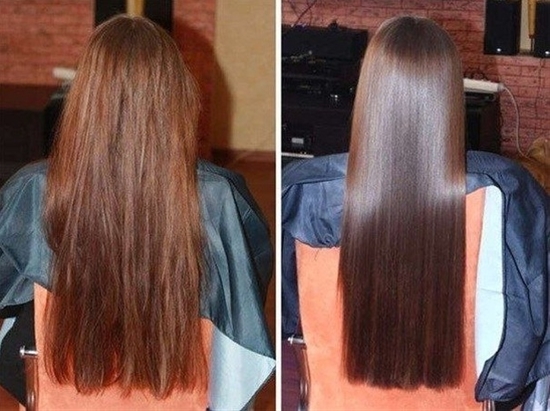
Apple cider vinegar (ACV) is a traditional remedy frequently discussed for various health and cosmetic applications, including hair care. Proponents suggest that unfiltered, raw apple cider vinegar can serve as a beneficial rinse for the hair and scalp. Specifically, its purported benefits include cleansing the hair, adding volume and shine, and potentially reducing hair shedding. Furthermore, it is often used to alleviate an itchy scalp and control dandruff, which may be linked to its antimicrobial properties against bacteria or fungi that can affect hair follicles.

⚠️ WARNING – Risk of Chemical Irritation and Hair Damage!

Apple cider vinegar is highly acidic due to its acetic acid content. Consequently, using it undiluted or too frequently can cause scalp irritation, chemical burns, and damage to the hair shaft, leading to increased brittleness and breakage. Therefore, proper dilution and adherence to safety protocols are absolutely essential to prevent adverse effects. Always perform a patch test on a small area of skin before applying it to your entire scalp.

The Scientific Basis for ACV’s Hair Benefits

While large-scale clinical trials are limited, the proposed benefits of an ACV rinse are rooted in its chemical properties. These effects are primarily attributed to its acidity and antimicrobial components.

    • Balancing Hair and Scalp pH: Many commercial hair products are alkaline, which can raise the hair cuticle and lead to dryness and frizz. In contrast, human hair and scalp oil (sebum) have a naturally acidic pH, typically between 4.5 and 5.5. The acidic nature of a diluted ACV rinse may help restore this natural pH, thereby closing the hair cuticle.
    • Sealing the Hair Cuticle: A closed, flat cuticle reflects light more effectively, resulting in hair that appears smoother, shinier, and less prone to tangling. Additionally, a sealed cuticle helps lock in moisture, which can reduce the occurrence of split ends.
    • Antimicrobial Action for Scalp Health: ACV contains acetic acid, which has demonstrated antibacterial and antifungal properties in laboratory settings. For this reason, it may help manage conditions like dandruff or scalp itchiness caused by an overgrowth of yeast (e.g., Malassezia) or bacteria.
    • Clarifying and Removing Buildup: The rinse can help dissolve and remove residue from styling products and hard water, leaving the hair feeling cleaner and lighter without stripping its natural oils completely.

ACV-HAIR-wash

Administration Protocol and Safety Limits

Adhering to a strict protocol is crucial for using ACV safely and effectively. Overuse or improper concentration can negate the benefits and cause harm.

1. Treatment Duration and Frequency

    • Frequency: Limit use to once or twice per week at most. Daily use is not recommended as it can lead to excessive dryness and scalp irritation.
    • Mandatory Break: If you notice any dryness or irritation, stop use immediately and allow your scalp to recover for at least two weeks before considering reintroduction at a higher dilution.
    • Purpose: Use as an occasional clarifying rinse, not as a continuous daily treatment.

2. Quantity and Maximum Safe Dose

    • Safe Dilution Ratio: Start with a low concentration. A standard ratio is 1 part ACV to 5 parts water (e.g., 2 tablespoons of ACV in 10 tablespoons, or about 2/3 cup, of water).
    • Maximum Concentration: Do not exceed a 1:3 ratio (1 part ACV to 3 parts water). Higher concentrations significantly increase the risk of irritation.
    • Overdose Risk: Using undiluted or highly concentrated ACV can cause chemical burns to the scalp and permanently damage the hair cuticle, making it brittle and weak.

3. Administration Condition

    • Timing: Apply the rinse after shampooing and rinsing thoroughly. It can be used in place of a conditioner or followed by a light conditioner if your hair is particularly dry.
    • Application: Use a spray bottle for even distribution. Focus on the scalp first, gently massaging it in, then work the rinse through the lengths of your hair.
    • Contact Time: Leave the rinse on for 1 to 3 minutes. Do not leave it in for extended periods.
    • Rinsing: Rinse thoroughly with cool water to help seal the cuticle further.
    • Precaution: Avoid contact with eyes. If contact occurs, flush immediately with plenty of water.

Specific Biological Limitation

Acidic Corrosive Potential

The primary active component in apple cider vinegar is acetic acid, which typically gives it a pH between 2 and 3. This strong acidity is responsible for its benefits but also poses its greatest risk. While a diluted acidic solution can smooth the hair’s protein (keratin) structure, a highly concentrated one can denature and degrade these same proteins. This process can weaken the hair shaft, strip the protective lipid layer of the scalp, and cause significant irritation or inflammation, particularly on sensitive or compromised skin.

Technical Warning: Individuals with fine, dry, or chemically processed hair (bleached or permed) are more susceptible to damage from acetic acid. The acid can further disrupt the already compromised protein bonds in the hair, leading to increased porosity and breakage.

How to Choose Quality Apple Cider Vinegar

The type of ACV you choose matters for therapeutic applications. Not all vinegars are created equal.

Quality Criterion Description
Type Always choose raw, organic, unfiltered, and unpasteurized ACV.
The “Mother” Look for a product that contains the “mother of vinegar.” This is the cloudy, strand-like sediment at the bottom, which consists of beneficial enzymes, proteins, and probiotic bacteria. Shake the bottle gently before each use to distribute it.
Avoid Avoid clear, pasteurized vinegars. The filtration and heating processes destroy many of the beneficial compounds.

Home Preparation: Basic ACV Hair Rinse

Ingredients:

    • 2 tablespoons raw, unfiltered apple cider vinegar
    • 1 cup (8 oz / ~240 ml) cool or lukewarm water

Required Equipment:

    • A clean spray bottle or squeeze bottle
    • Measuring spoons and cup

Preparation Method:

    • Combine Ingredients: Pour the water and ACV into your spray or squeeze bottle.
    • Mix: Secure the lid and shake well to combine the mixture.
    • Application: After shampooing and rinsing your hair, spritz or pour the diluted ACV solution over your hair and scalp.
    • Massage: Gently massage the mixture into your scalp and work it through the ends of your hair.
    • Wait: Let it sit for 1-3 minutes.
    • Rinse: Rinse your hair thoroughly with cool water. The vinegar scent will dissipate as your hair dries.

Safety Rule: Always perform a patch test on your inner arm 24 hours before the first application to check for skin sensitivity.

Contraindications and Precautions

Absolute Contraindications

    • Damaged Skin Barrier: Do not apply to an inflamed scalp, open sores, or on skin affected by conditions like eczema or psoriasis, as it can cause intense stinging and further irritation.
    • Known Allergy: Avoid if you have a known sensitivity to vinegar or apples.

Vulnerable Populations

    • Children: Use with extreme caution and at a much higher dilution (e.g., 1:10) due to their more sensitive skin.
    • Color-Treated Hair: ACV is acidic and may cause some hair colors, especially semi-permanent dyes, to fade more quickly. Use sparingly.

Documented Adverse Effects

    • Common: Mild scalp dryness or itchiness if used too frequently or in too high a concentration.
    • Severe (Rare): Chemical burns, significant hair brittleness, and skin irritation.

When to Stop Immediately

Discontinue use if you experience any burning sensation, persistent redness, rash, or a significant increase in scalp dryness or hair breakage.

Therapeutic Alternatives

If an ACV rinse is not suitable for you, consider these validated alternatives for similar benefits.

Botanical Alternatives

    • Green Tea Rinse: Rich in antioxidants (EGCG), a cooled green tea rinse can help soothe the scalp and may support hair growth. It is much gentler than ACV.
    • Rosemary Infusion: A rinse made from steeped rosemary leaves can stimulate scalp circulation and has antimicrobial properties. It is often used to promote hair thickness and health.

Pharmacological and Commercial Options

    • For Dandruff: Medicated shampoos containing active ingredients like ketoconazole, selenium sulfide, or salicylic acid are clinically proven to control dandruff.
    • For pH Balance: Many commercially available conditioners and hair treatments are specifically formulated to be pH-balanced to seal the hair cuticle effectively and safely.

Recent Medical Research (2020-2026)

Recent scientific investigation into apple cider vinegar for hair care remains limited. Most evidence continues to be anecdotal or based on the established chemical properties of acetic acid rather than on dedicated, large-scale human clinical trials.

    • A 2021 review on natural remedies for seborrheic dermatitis noted that while ACV is popularly used, clinical evidence supporting its efficacy and safety is still lacking, and it can be an irritant.
    • In vitro (lab) studies continue to confirm the antimicrobial activity of acetic acid against various pathogens, which provides a theoretical basis for its use in managing scalp microflora. However, these results do not always translate to human use.

Updated Scientific Verdict: The use of ACV as a hair rinse is plausible based on its acidic pH and antimicrobial properties. Nevertheless, its benefits are not strongly supported by high-quality clinical research. Its safety is highly dependent on proper dilution and frequency of use.

Quick Guide: Apple Cider Vinegar Hair Rinse Safety

Category Details
❌ Who should AVOID • Individuals with very dry or brittle hair
• People with eczema, psoriasis, or open sores on the scalp
• Those with highly sensitive skin
📊 Safe Dilution & Frequency Dilution: Start with 1 part ACV to 5 parts water
Maximum Frequency: 1-2 times per week
🚨 ALARM signs • Burning or stinging sensation on the scalp
• Redness or rash
• Increased hair breakage or dryness
⏱️ When to consult a specialist IMMEDIATELY if alarm signs appear.
Consult a dermatologist for persistent scalp issues like dandruff or hair loss.

💡 Golden rule: When in doubt, prioritize safety. Start with a high dilution and low frequency.

Specialist’s Summary

A properly diluted apple cider vinegar rinse can be a useful, occasional clarifying treatment to remove product buildup and temporarily improve hair shine by balancing pH. However, it is not a cure for underlying scalp conditions and carries a significant risk of irritation and hair damage if used improperly. Its use is contraindicated for individuals with sensitive scalp conditions or damaged hair. Safer, clinically validated alternatives exist for managing dandruff and promoting scalp health.

Frequently Asked Questions

Can apple cider vinegar cure dandruff?

No, apple cider vinegar cannot “cure” dandruff, which is often a chronic condition. Due to its antifungal properties, a diluted rinse may help manage mild flaking for some individuals by reducing yeast on the scalp. However, for moderate to severe dandruff, medicated shampoos are a more effective and reliable treatment.

How long does it take to see results from an ACV rinse?

You may notice immediate results in terms of shine and smoothness after the first use, as the acidic pH instantly helps to seal the hair cuticle. Benefits related to scalp health, such as reduced itchiness, may take several applications over a few weeks to become apparent. If you see no improvement after a month, it is unlikely to be effective for you.

Is apple cider vinegar safe for color-treated hair?

It should be used with caution. The acidity of ACV can potentially strip some types of hair color, particularly semi-permanent and vibrant fashion colors, causing them to fade faster. If you have color-treated hair, it is best to use a highly diluted rinse (1:5 or more) and use it infrequently.

What are better alternatives to ACV for an itchy scalp?

For an itchy scalp, gentle botanical alternatives include rinses made with cooled chamomile tea (soothing) or green tea (antioxidant). For persistent itching or dandruff, over-the-counter shampoos containing ingredients like ketoconazole, salicylic acid, or coal tar are more effective and specifically designed for scalp conditions.

Sources and References


You may also like

5 comments

Jodi Wietecha-Weingart
Jodi Wietecha-Weingart April 15, 2015 - 21:13

I do this treatment daily and my hair looks nothing like that. I think I’ve seen the same picture for using coconut oil treatment on hair too.

Reply
Pam Hockin
Pam Hockin April 16, 2015 - 07:32

Jodi Wietecha-Weingart, what does your hair look like?! I’d like to give this a go.

Reply
Elly Rodriguez
Elly Rodriguez April 16, 2015 - 23:22

I think washing your hair daily is not good. Your hair has no time to build up oils.

Reply
Neo Ntaote
Neo Ntaote April 28, 2015 - 17:35

Excellent

Reply
Rebecca Dininger
Rebecca Dininger January 7, 2019 - 23:14

I am a blond. Apple cider vinegar turned it redish. Yuck! Use clear vinegar if you are have light hair color.

Reply

Leave a Comment