Premature grey hair, or canities, is a common concern often linked to genetics and stress. However, modern research points towards a key biochemical process: oxidative stress within the hair follicle. As we age, the production of an essential enzyme called catalase naturally declines. This reduction allows hydrogen peroxide, a natural byproduct of cellular metabolism, to accumulate in the hair follicle. Consequently, this buildup can bleach the hair pigment from within, leading to the appearance of grey hair.
A foundational study published in *The FASEB Journal* established this mechanism, showing that a massive accumulation of hydrogen peroxide in the hair follicle, coupled with a decrease in antioxidant enzymes like catalase, is a primary driver of hair greying. While the concept of reversing this process is complex, certain nutritional strategies aim to support the body’s natural antioxidant defenses.

The Role of Wheatgrass in Supporting Hair Health
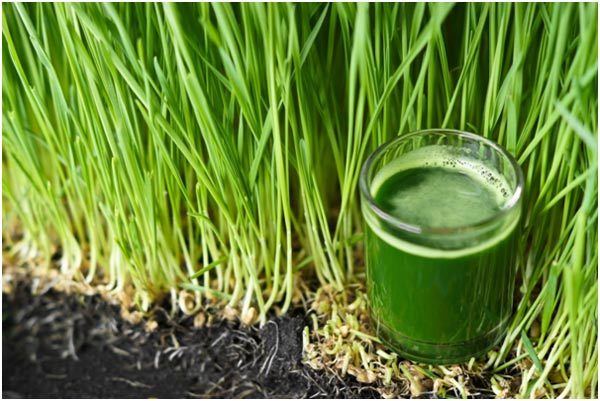
Wheatgrass (Triticum aestivum) is a nutrient-dense young grass of the wheat plant. It has gained attention for its potential health benefits, primarily due to its rich concentration of chlorophyll, vitamins, minerals, and enzymes, including catalase.
The theory suggests that by consuming wheatgrass, one might increase the body’s levels of catalase, potentially helping to neutralize the excess hydrogen peroxide associated with greying hair. Furthermore, wheatgrass is a potent source of antioxidants that combat oxidative stress throughout the body. This general anti-aging effect may indirectly support the health of hair follicles and slow down age-related changes.
Its nutritional profile is impressive, containing:
- Chlorophyll: The molecular structure of chlorophyll is similar to hemoglobin, and it is known for its cleansing and detoxifying properties.
- Vitamins and Minerals: It is rich in vitamins A, C, and E, as well as iron, magnesium, calcium, and 92 other minerals that are vital for cellular function.
- Amino Acids: It provides 19 amino acids, the building blocks of protein, which are essential for strong, healthy hair growth.
While these components are undoubtedly beneficial for overall health, it is crucial to state that robust human clinical trials confirming that wheatgrass can *reverse* existing grey hair are currently lacking. Its primary role should be seen as nutritional support for hair follicle health and a potential preventative measure against premature greying driven by oxidative stress.
Administration Protocol and Safety Limits
Proper administration is key to maximizing benefits while minimizing risks. Wheatgrass is potent, and its use should be approached with care.
Treatment Duration and Dosage
- Standard Dose: Start with a small dose, such as 1 ounce (30 ml) of fresh juice or 1 teaspoon (approx. 3 grams) of powder daily. You can gradually increase to 2 ounces of juice or 2 teaspoons of powder per day if well-tolerated.
- Maximum Daily Dose: Do not exceed 4 ounces (120 ml) of juice or 4 teaspoons (approx. 12 grams) of powder per day for a healthy adult.
- Treatment Cycle: Consume daily for up to 30 days.
- Mandatory Break: It is advisable to take a 1-2 week break between 30-day cycles to allow the body to reset.
Overdose Risk: Exceeding the recommended dose can lead to significant nausea, digestive upset, or headaches, often referred to as a “detox reaction.”
Administration Conditions
- Timing: For best absorption, consume wheatgrass on an empty stomach, at least 20 minutes before a meal.
- Method of Consumption: Freshly juiced wheatgrass is considered the most potent form. If using powder, mix it thoroughly with water, a smoothie, or a non-acidic juice.
- Hydration: Drink plenty of water throughout the day to support the cleansing effects of wheatgrass and prevent headaches.
Specific Biological Limitation
Wheatgrass contains high levels of Vitamin K, a nutrient essential for blood clotting. While this is beneficial for most people, it presents a specific risk for individuals on certain medications. The coagulant properties of Vitamin K can interfere with the action of anticoagulant (blood-thinning) drugs like warfarin. This interaction can reduce the medication’s effectiveness, thereby increasing the risk of blood clots. Therefore, individuals on such medications must avoid wheatgrass unless explicitly approved by their cardiologist or primary care physician.
Contraindications and Precautions
Despite its health benefits, wheatgrass is not suitable for everyone.
Absolute Contraindications
- Wheat or Grass Allergies: Individuals with known allergies to wheat or other grasses may experience severe allergic reactions.
- Celiac Disease: While wheatgrass itself is gluten-free, cross-contamination with wheat kernels is common. Only products certified as gluten-free should be considered, and even then, with caution.
- Blood Thinners: As mentioned, do not use if taking anticoagulant medications like Warfarin (Coumadin®) due to high Vitamin K content.
Vulnerable Populations
- Pregnancy and Breastfeeding: There is insufficient safety data to recommend wheatgrass use during pregnancy or lactation. It should be avoided.
- Children: Not recommended for children under 12 due to its potent effects and lack of pediatric safety studies.
- Individuals with Mold Sensitivities: Improperly harvested or stored wheatgrass can develop mold, which can cause adverse reactions in sensitive individuals. Always source from a reputable supplier.
Documented Adverse Effects
- Common: Nausea, headache, and diarrhea are the most common side effects, especially when starting. These are often temporary.
- Rare: Allergic reactions, including throat swelling or hives.
When to Stop Immediately: Discontinue use and consult a healthcare provider if you experience signs of an allergic reaction, severe digestive distress, or persistent headaches.
Therapeutic Alternatives
If wheatgrass is not a suitable option, other botanicals and nutrients may support hair pigmentation and health.
| Alternative | Mechanism and Use |
|---|---|
| Amla (Emblica officinalis) | A cornerstone of Ayurvedic medicine, Amla is extremely rich in Vitamin C, a powerful antioxidant that protects hair follicles from oxidative damage. It is traditionally used to enhance hair pigmentation and strength. |
| Fo-Ti (Polygonum multiflorum) | Known as He Shou Wu in Traditional Chinese Medicine, this herb has a long history of use for restoring hair color. However, it carries a documented risk of liver toxicity and must only be used under the guidance of a qualified practitioner. |
| Copper Supplementation | Copper is a critical mineral for the function of tyrosinase, an enzyme required for melanin (hair pigment) production. A deficiency, confirmed by blood tests, can lead to premature greying. Supplementation should only be done under medical supervision. |
Note: Each alternative has its own unique set of contraindications and safety protocols.
Recent Medical Research (2020-2026)
While direct research on wheatgrass for reversing grey hair remains limited, recent studies continue to validate its potent antioxidant and anti-inflammatory properties, which are relevant to aging and cellular health.
A 2022 review published in the journal *Molecules* highlighted the significant antioxidant capacity of wheatgrass, attributing it to its high concentration of flavonoids and phenolic compounds. These compounds are known to neutralize free radicals, thereby reducing oxidative stress, the same mechanism implicated in hair greying.
However, the primary limitation is the lack of human clinical trials specifically investigating the effect of wheatgrass consumption on hair pigmentation. The current scientific verdict is that while wheatgrass is a highly nutritious food that supports overall health and antioxidant status, claims of it reversing grey hair are anecdotal and not yet supported by rigorous scientific evidence.
Specialist’s Summary
Wheatgrass is a nutrient-dense food whose high concentration of antioxidants, particularly the enzyme catalase, may theoretically help combat the oxidative stress linked to premature hair greying. Its primary benefit is as a nutritional supplement for overall health, which indirectly supports hair follicles. However, it is contraindicated for individuals on blood thinners or with wheat allergies, and direct evidence for reversing grey hair is lacking. Validated alternatives include antioxidant-rich Amla or addressing specific nutrient deficiencies like copper under medical guidance.
Frequently Asked Questions
Can wheatgrass really turn my grey hair back to its natural color?
Currently, there is no strong scientific evidence from human trials to support the claim that wheatgrass can reverse existing grey hair. The theory is based on its catalase content, but its effects are more likely to be supportive of overall hair health and potentially slowing the rate of premature greying due to nutrient deficiencies or oxidative stress.
How long does it take to see any results from drinking wheatgrass juice?
Because hair growth is a slow process, any potential benefits from nutritional changes would not be visible for several months. Results are not guaranteed and will vary significantly between individuals based on genetics, diet, and the underlying cause of greying.
Is it better to use fresh wheatgrass juice or powder?
Freshly pressed juice is generally considered superior as it contains the highest concentration of active enzymes and nutrients, which can degrade over time with processing and storage. However, a high-quality, freeze-dried powder is a convenient and effective alternative.
Sources and References
- Wood, J. M., Decker, H., Hartmann, H., et al. (2009). Senile hair graying: H2O2-mediated oxidative stress affects human hair color by blunting methionine sulfoxide repair. *The FASEB Journal*.
- Mujoriya, R., & Bodla, R. B. (2011). A study on wheat grass and its Nutritional value. *Food Science and Quality Management*.
- Das, A., Raychaudhuri, U., & Chakraborty, R. (2022). Antioxidant and Anti-inflammatory-Based Phytochemicals in Wheatgrass and Their Potential to Treat and Prevent Diseases. *Molecules*.
⚠️ Important Medical Information
This article is for educational and informational purposes only and is not intended as medical advice, diagnosis, or treatment. The information provided about Wheatgrass is based on traditional use, preliminary research, and available scientific evidence, which may be limited.
Before using Wheatgrass:
- Consult a qualified healthcare provider, especially if you are pregnant, breastfeeding, taking medications (particularly blood thinners), or have existing health conditions like celiac disease or grass allergies.
- Do not use as a substitute for prescribed medications or professional medical treatment.
- Individual results may vary – what works for one person may not work for another.
- Monitor for adverse reactions and discontinue use if negative symptoms occur.
Regulatory status: Wheatgrass is considered a dietary supplement/food and has not been evaluated by the FDA for treating, curing, or preventing any disease.
Last updated: 2024-05-21
3 comments
I ve got grey hair n its stressing me plz help
im in new zealand where can i buy these wheatgrass ?can i buy them at healtheries shop
Hi plz help I hav bad grey hair