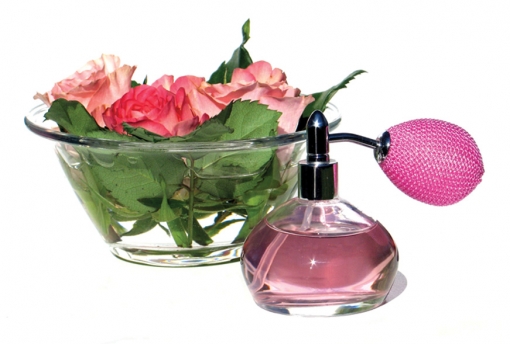
Creating a personal perfume from natural ingredients can be a rewarding experience, allowing for a unique scent tailored to your preferences. While commercial perfumes often involve complex chemical processes, crafting a simple, natural fragrance at home is achievable with the right knowledge and ingredients. However, working with potent botanical extracts like essential oils requires a strong emphasis on safety and proper technique.
This guide provides evidence-based recipes and protocols for creating your own perfumes, focusing on safety, stability, and olfactory balance. All ingredients mentioned are typically available at health food stores or specialized aromatherapy suppliers. For those sensitive to alcohol, carrier oils such as jojoba or fractionated coconut oil serve as excellent alternatives.

⚠️ **WARNING – Dermal and Systemic Risks of Essential Oils!**
*Essential oils are highly concentrated plant extracts and must be handled with care. They are not “gentle” simply because they are natural. Direct, undiluted application to the skin can cause severe irritation, chemical burns, sensitization, and allergic contact dermatitis. Furthermore, certain compounds can be absorbed systemically, posing risks for specific individuals. ALWAYS dilute essential oils in a carrier before skin application and perform a patch test.*
—
Understanding Perfume Structure: Top, Middle, and Base Notes
A well-balanced perfume is constructed with a symphony of scents that evolve over time. This structure is traditionally composed of three types of “notes.”
Top Notes
These are the first scents you perceive upon application. They are typically light, fresh, and volatile, meaning they evaporate quickly (usually within 15-30 minutes). Examples include citrus oils (Lemon, Bergamot, Grapefruit) and herbaceous oils (Peppermint, Eucalyptus).
Middle Notes
Also known as “heart notes,” these emerge after the top notes fade. They form the main body of the perfume and are usually floral, green, or spicy. For instance, Lavender, Geranium, Ylang-Ylang, and Chamomile are common middle notes. They can last for several hours.
Base Notes
These are the final, deep, and rich scents that anchor the perfume. They have low volatility and can linger for many hours or even days. Base notes provide depth and longevity to the blend. Examples include woody and resinous oils like Sandalwood, Cedarwood, Vetiver, and Frankincense.
Essential Equipment and Ingredients
Before you begin, gather the following materials:
- Carrier: High-proof alcohol (perfumer’s alcohol or vodka, at least 80-proof) for a traditional spray perfume, or a stable carrier oil (jojoba, fractionated coconut, or sweet almond oil) for a perfume oil.
- Essential Oils: High-quality, pure essential oils for your top, middle, and base notes.
- Glass Bottles: Dark-colored (amber or cobalt blue) glass bottles with spray tops or rollerballs to protect your creation from light degradation.
- Glass Beaker or Measuring Cylinder: For accurate mixing.
- Pipettes or Droppers: To measure essential oils precisely.
Dermal Application Protocol and Safety Limits
Creating a safe perfume is paramount. Adhering to correct dilution ratios and application protocols prevents adverse skin reactions.
Dilution Rates for Perfumery
The concentration of essential oils determines the strength and safety of your perfume. For cosmetic applications on healthy adults, the following dilutions are standard:
| Perfume Type | Essential Oil Concentration | Approx. Drops per 10ml Carrier |
|---|---|---|
| Eau de Cologne (Light) | 2-4% | 4-8 drops |
| Eau de Toilette | 5-15% | 10-30 drops |
| Eau de Parfum | 15-20% | 30-40 drops |
Application Method and Frequency
- Patch Test: Before full use, always perform a patch test. Apply a small amount of the diluted perfume to the inner elbow and wait 24-48 hours to check for any redness, itching, or irritation.
- Application Sites: Apply to pulse points such as the wrists, neck, and behind the ears. The warmth of these areas helps diffuse the scent.
- Frequency: Apply 1-2 times per day as needed. Over-application does not increase longevity and may increase the risk of sensitization.
- Avoid: Do not apply to broken, inflamed, or sensitive skin, near the eyes, or on mucous membranes.
Specific Biological Limitation: Photosensitization
Furanocoumarins and Phototoxicity:
Many citrus essential oils, particularly those produced by cold-pressing the peel (like Bergamot, Lemon, Lime, and Grapefruit), contain compounds called furanocoumarins. When applied to the skin, these molecules absorb UV light, triggering a phototoxic reaction that can result in severe sunburn, blistering, and long-term hyperpigmentation.
Technical Warning:
To avoid this risk, use steam-distilled citrus oils or those specifically labeled “FCF” (Furanocoumarin-Free), especially for products intended for daytime wear on sun-exposed skin. If using phototoxic oils, you must avoid sun or UV exposure on the application area for at least 12-18 hours.
Validated Perfume Recipes with Safety Guidelines
The following recipes are formulated for a 10ml bottle. Adjust quantities proportionally for larger batches. The general method for alcohol-based perfumes is to add essential oils to the bottle first, then top with alcohol, cap tightly, and shake well. Let the blend mature (“age”) in a cool, dark place for at least 2-4 weeks for the scents to meld.
Recipe 1: Classic Floral Blend (Eau de Parfum)
This balanced floral perfume offers a calming and elegant aroma. Unlike the original suggestion, valerian oil is omitted due to its overpowering and generally unpleasant scent profile for perfumery.
- Base Notes: 8 drops Sandalwood essential oil
- Middle Notes: 15 drops Lavender essential oil, 5 drops Geranium essential oil
- Top Notes: 7 drops Bergamot FCF essential oil
- Carrier: Top with ~10ml of high-proof vodka or perfumer’s alcohol.
Recipe 2: Deep Rose Garden (Perfume Oil)
An intense and romantic scent centered around the classic rose. Using a carrier oil creates a more intimate fragrance that wears closer to the skin.
- Base Note: 2 drops Patchouli essential oil (optional, for depth)
- Middle Note: 15 drops Rose Absolute or Otto essential oil
- Carrier: Top with ~10ml of jojoba oil.
Recipe 3: Uplifting Citrus Zest (Eau de Cologne)
A bright, refreshing, and energizing scent perfect for summer. This recipe uses steam-distilled citrus oils to minimize photosensitivity risk.
- Base Note: 2 drops Frankincense essential oil
- Middle Note: 5 drops Neroli essential oil
- Top Notes: 8 drops Steam-Distilled Lemon essential oil, 5 drops Sweet Orange essential oil
- Carrier: Top with ~10ml of high-proof vodka.
Recipe 4: Grounding Woody Essence (Eau de Parfum)
A fresh, unique, and grounding perfume with a forest-like character. Note that peony essential oil is not commercially produced; peony scents are typically synthetic. This recipe uses authentic botanical extracts.
- Base Notes: 12 drops Cedarwood (Atlas or Virginian) essential oil
- Middle Notes: 10 drops Fir Needle essential oil, 5 drops Cypress essential oil
- Top Note: 8 drops Grapefruit essential oil
- Carrier: Top with ~10ml of high-proof vodka. (Caution: Grapefruit oil can be phototoxic. Avoid sun exposure after application).
Recipe 5: Refreshing Solid Perfume
A portable, non-liquid perfume with a bright, minty-citrus aroma. Solid perfumes are easy to apply and travel-friendly.
- 1 teaspoon (approx. 4g) Beeswax pellets
- 1 teaspoon (approx. 5ml) Jojoba or Almond oil
- 15 drops Grapefruit essential oil
- 8 drops Lemongrass essential oil
- 3 drops Peppermint essential oil
Preparation: Gently melt the beeswax and jojoba oil together in a double boiler or in short bursts in a microwave. Once melted, remove from heat and let it cool slightly for a minute. Add the essential oils and stir well. Immediately pour the mixture into a small tin or lip balm container. Let it cool and solidify completely before use.
Contraindications and Precautions
Absolute Contraindications
- Known Allergies: Do not use any essential oil derived from a plant to which you have a known allergy (e.g., chamomile for ragweed allergy).
- Damaged Skin: Never apply essential oil blends to broken, infected, or eczematous skin.
Vulnerable Populations
- Pregnancy and Breastfeeding: Many essential oils are contraindicated during pregnancy as their constituents can cross the placental barrier or pass into breast milk. Consult a qualified healthcare provider before use.
- Children: Children are more sensitive to essential oils. Use much lower dilutions (0.5-1%) and avoid certain oils entirely (e.g., Peppermint, Eucalyptus on young children).
- Elderly: Individuals with thinner skin or compromised liver/kidney function may require lower dilutions.
- Medical Conditions: People with asthma, epilepsy, or hormone-sensitive conditions should consult a professional before using essential oils.
Documented Adverse Effects
- Common: Skin irritation, redness, itching (contact dermatitis).
- Severe (Rare): Allergic sensitization (developing an allergy over time), chemical burns (from undiluted use), phototoxic reactions.
When to Stop Immediately
Discontinue use if you experience any skin rash, hives, difficulty breathing, or significant irritation.
Therapeutic Alternatives for Sensitive Individuals
If essential oils are not suitable for you, consider these gentler options:
- Hydrosols (Floral Waters): These are the aromatic water co-products of essential oil distillation. They are significantly less concentrated and can be spritzed directly onto the skin for a very light, refreshing scent. Rosewater and lavender water are popular choices.
- Infused Oils: Instead of essential oils, you can infuse carrier oils with dried botanicals like vanilla beans, lavender buds, or rose petals. This creates a much milder scent profile suitable for highly sensitive skin.
Recent Medical Research (2020-2026)
Recent studies continue to emphasize the importance of essential oil safety and quality control.
- A 2021 review in the journal Molecules highlighted the increasing incidence of allergic contact dermatitis from fragrance ingredients, including natural essential oils like linalool and limonene, which are common in many of the oils used in perfumery. This underscores the necessity of patch testing.
- Research published in 2023 continues to investigate the dermal absorption of essential oil components, confirming that compounds can enter the bloodstream through the skin. This reinforces the need for caution in vulnerable populations, such as pregnant women, as systemic exposure is a reality.
Current Limitations: While the primary aromatic properties of essential oils are well-understood, research into the long-term effects of chronic low-dose dermal exposure is ongoing. The purity and chemical composition of oils can vary significantly between suppliers, making standardized safety recommendations challenging.
Specialist’s Summary
Crafting natural perfumes is an accessible art, provided it is approached with a clinical respect for safety. The practice requires understanding basic perfume structure, adhering strictly to safe dermal dilution rates (typically 2-20%), and performing a patch test for every new blend. The primary risks are skin irritation and photosensitivity from citrus oils, which are easily mitigated by using FCF or steam-distilled versions. For those with sensitivities, hydrosols or infused oils offer gentle, fragrant alternatives.
Frequently Asked Questions
How long does homemade natural perfume last?
The scent of an alcohol-based perfume can last 4-8 hours, depending on the concentration and notes used. The shelf life of the perfume itself is typically 1-2 years if stored in a cool, dark place. Oil-based perfumes may have a shorter shelf life (6-12 months) as the carrier oil can go rancid.
Why does my perfume smell strongly of alcohol at first?
This is normal for freshly made alcohol-based perfumes. The strong alcohol scent will dissipate after a few seconds on the skin. More importantly, allowing the perfume to mature or “age” for several weeks allows the alcohol to blend with the oils, which significantly mellows the initial alcoholic blast.
Can I use synthetic fragrance oils instead of essential oils?
From a phytotherapy perspective, essential oils are preferred as they are pure botanical extracts with complex aromatic profiles. Fragrance oils are synthetic lab-created scents that may contain phthalates and other chemicals. While they can be used for perfumery, they do not offer the therapeutic or natural properties of essential oils and may be more likely to cause irritation in some individuals.
Sources and References
Key Texts:
- Tisserand, R., & Young, R. (2013). Essential Oil Safety: A Guide for Health Care Professionals (2nd ed.). Churchill Livingstone.
Recent Studies:
- Lunder, T., & Kumperščak, M. (2021). Allergic Contact Dermatitis to Selected Fragrance Allergens. Molecules, 26(21), 6386. https://www.ncbi.nlm.nih.gov/pmc/articles/PMC8537165/
- Sarkic, A., & Stappen, I. (2018). Essential Oils and Their Single Compounds in Cosmetics—A Critical Review. Cosmetics, 5(1), 11. https://www.mdpi.com/2079-9284/5/1/11