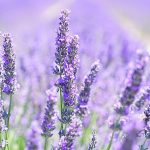
Lilac (Syringa vulgaris), celebrated for its fragrant and visually striking blossoms, also holds a place in traditional European folk medicine. While its ornamental value is undisputed, its therapeutic applications are less understood and require careful, evidence-based evaluation. Historically, herbalists have used its flowers, leaves, and bark for various ailments. However, it is crucial to distinguish between traditional practices and scientifically validated treatments, as many historical uses lack modern clinical support. Consequently, this article provides a professional overview of lilac’s plausible uses, emphasizing safety protocols and the significant gaps in current research.
⚠️ WARNING – Limited Scientific Validation and Potential Toxicity!
Most of the acclaimed therapeutic benefits of lilac are based on folklore and lack rigorous scientific investigation in humans. The plant contains compounds like the glycoside syringin, which can be irritating or toxic in improper doses. Therefore, internal consumption is not recommended without professional supervision. This guide focuses on low-risk topical applications and highlights the need for extreme caution. Never use lilac to treat serious medical conditions such as heart disease, diabetes, or glaucoma, as this can be dangerous and ineffective.
Evidence-Based Applications of Lilac
Modern phytotherapy prioritizes safety and efficacy, which means many of lilac’s traditional uses cannot be recommended. Nevertheless, some applications, particularly topical ones, have a plausible basis and a lower risk profile when performed correctly. Below, we analyze the most credible uses.
Topical Anti-inflammatory and Analgesic for Minor Aches
The most defensible use of lilac is in topical preparations for soothing minor musculoskeletal discomfort. For instance, an infused oil made from lilac flowers can be applied externally to address mild joint pain, muscle soreness, or rheumatic aches. The flowers contain phenolic compounds and flavonoids that exhibit antioxidant and anti-inflammatory properties in laboratory settings. However, this effect is considered mild and symptomatic, not a cure for underlying conditions like arthritis.
-
- Mechanism: The potential anti-inflammatory action is attributed to compounds that may help modulate local inflammatory pathways when absorbed through the skin.
- Application: Used as a massage oil on intact skin over affected joints or muscles.
Traditional Use as a Febrifuge and Astringent
Historically, a decoction of lilac bark or an infusion of its flowers was used as a febrifuge (to reduce fever) and as an astringent to manage mild diarrhea. The bark contains tannins, which have a natural astringent effect that can help firm tissues and reduce fluid loss. While this aligns with traditional herbal principles, these internal uses are now discouraged due to the lack of safety data and the availability of safer, more effective alternatives.
Administration Protocol and Safety Limits
Due to the absence of official monographs from regulatory bodies like the EMA or WHO, the following protocols are based on the precautionary principle for low-risk topical use only.
RULE 1 – TREATMENT DURATION:
-
- Topical Application (Infused Oil): Use for a maximum of 14 consecutive days for symptomatic relief.
- Mandatory Break: A break of at least 7 days is required before resuming use to prevent potential skin sensitization.
- Internal Use: Not recommended due to a lack of safety data.
RULE 2 – QUANTITY AND MAXIMUM DOSE:
-
- Maximum Daily Dose: Apply a thin layer of infused oil to the affected area 2-3 times per day. Do not apply to large surface areas of the body at once.
- Overdose Risk: Excessive topical use may lead to skin irritation, contact dermatitis, or allergic reactions. Discontinue use if any redness, itching, or rash occurs.
RULE 3 – ADMINISTRATION CONDITION:
-
- Patch Test Mandatory: Before the first application, apply a small amount of the infused oil to the inner forearm and wait 24 hours to check for any adverse reaction.
- Application Site: Use only on intact, unbroken skin. Never apply to wounds, burns, or rashes.
- Incompatibilities: Do not apply other topical creams or medications to the same area without consulting a healthcare professional.
Specific Biological Limitation
Primary Limitation: Lack of Toxicological Data and Standardization
The foremost biological limitation of lilac is the significant lack of comprehensive toxicological studies and standardized preparations. The plant contains active glycosides, including syringin, which can have unpredictable effects. Without clinical trials, the safe therapeutic window for internal consumption is unknown, and the risk of adverse effects outweighs any potential benefits.
Technical Warning: Syringin and related compounds can cause gastrointestinal irritation if ingested. Furthermore, the concentration of active compounds in the plant can vary dramatically based on genetics, soil conditions, and harvest time. As a result, a homemade preparation could be either inert or unexpectedly potent, creating an unacceptable safety risk for internal use.
Contraindications and Precautions
Absolute Contraindications (FORBIDDEN):
-
- Allergy: Individuals with a known allergy to lilac or other plants in the Oleaceae family (e.g., olive, ash, jasmine, forsythia) must avoid it.
- Internal Use: Self-medication with internal preparations (teas, tinctures) is contraindicated due to the lack of safety data.
Vulnerable Populations:
-
- Pregnancy and Breastfeeding: Absolutely forbidden. The effects on fetal development and whether compounds pass into breast milk are unknown.
- Children: Avoid all use in children under 18 years of age due to the lack of pediatric safety studies.
- Elderly: Use topically with caution, starting with a patch test, as skin may be more sensitive.
Major Drug Interactions:
Due to the lack of research, potential interactions are unknown. Therefore, a high degree of caution is warranted. Avoid concurrent use with:
-
- Anticoagulants and Antiplatelet Drugs: Potential for interaction is unknown.
- Antihypertensive Medications: Some traditional sources claim hypotensive effects, which could lead to additive effects.
- Antidiabetic Medications: Unverified claims of blood sugar effects make concurrent use risky.
Documented Adverse Effects:
-
- Common (Topical): Skin irritation, contact dermatitis, allergic rash.
- Severe (Internal, theoretical): Gastrointestinal distress, potential nephrotoxicity or hepatotoxicity with high doses or prolonged use (not documented but plausible).
When to Stop Immediately:
Discontinue use and consult a doctor if you experience skin rashes, hives, difficulty breathing, dizziness, or gastrointestinal upset.
Home Preparation: Lilac Infused Oil (For Topical Use Only)
This traditional preparation is intended for external use on minor aches and pains. It offers a way to utilize the plant’s properties with minimal risk.
Ingredients:
-
- Fresh lilac blossoms (enough to fill a glass jar loosely)
- High-quality carrier oil (e.g., sweet almond, jojoba, or olive oil)
- A clean, dry glass jar with a tight-fitting lid
Required Equipment:
-
- Sterilized glass jar and lid
- Cheesecloth or fine-mesh strainer
- Dark glass bottle for storage
Preparation Method (Cold Infusion):
-
- Harvesting: Collect lilac blossoms on a dry day, after the morning dew has evaporated. Ensure they are free from pests and pollution.
- Wilting: Allow the flowers to wilt for several hours on a clean cloth to reduce their water content, which helps prevent mold.
- Filling: Loosely fill the sterilized jar with the wilted blossoms. Do not pack them tightly.
- Infusing: Pour the carrier oil over the flowers until they are completely submerged. Ensure no plant matter is exposed to air.
- Maceration: Seal the jar and place it in a warm, sunny spot for 2-4 weeks. Shake the jar gently every day.
- Straining: After the maceration period, strain the oil through cheesecloth into a clean bowl, squeezing the cloth to extract as much oil as possible.
- Storage: Transfer the finished oil into a dark glass bottle, label it with the date, and store it in a cool, dark place. It should last for up to one year.
Quick Guide: Lilac Safety
| Category | Details |
|---|---|
| ❌ Who should AVOID | • Pregnant or breastfeeding women • Children under 18 • Individuals with allergies to the Oleaceae family • Anyone taking prescription medications without medical approval |
| 📊 Maximum safe dose | • Topical Use Only: Thin layer applied 2-3 times daily • Treatment duration: Max 14 days • Mandatory break: 7 days |
| 🚨 ALARM signs | • Skin rash, itching, or hives • Dizziness or headache • Nausea or vomiting (if accidentally ingested) |
| 💊 Major interactions | • Unknown due to lack of research. Use extreme caution with all medications. |
| ⏱️ When to consult doctor | IMMEDIATELY if alarm signs appear. ALWAYS before starting use if you have a pre-existing medical condition. |
💡 Golden rule: When in doubt, consult a healthcare professional or a qualified herbalist.
Therapeutic Alternatives
If lilac is not suitable or if you require a treatment with stronger scientific backing, consider these validated alternatives:
Botanical Alternatives with Studies:
-
- Arnica (Arnica montana) Oil: A well-researched topical remedy for bruising, muscle soreness, and minor joint pain. It has strong anti-inflammatory properties but should only be used on intact skin.
- Willow (Salix alba) Bark: For internal use, willow bark contains salicin, a precursor to aspirin. It is effective for mild pain and fever and is standardized in many commercial products.
- Lavender (Lavandula angustifolia) Essential Oil: For aromatherapy, lavender is extensively studied for its calming and relaxing effects, making it a reliable choice for stress and anxiety support.
Pharmacological Options:
-
- For topical pain relief, non-steroidal anti-inflammatory drug (NSAID) creams (e.g., containing ibuprofen or diclofenac) are widely available and have robust clinical evidence. Always follow package directions.
Note: Each alternative has its own specific contraindications and safety profile.
Recent Medical Research (2020-2026)
Recent scientific interest in Syringa vulgaris remains focused on its chemical composition rather than human clinical trials. Research has largely confirmed the presence of various bioactive compounds, but their therapeutic application remains theoretical.
-
- Phytochemical Analysis: Studies continue to isolate and identify secoiridoids, flavonoids, and phenolic compounds from lilac flowers and leaves, often highlighting their antioxidant potential in vitro (in a lab setting). For instance, a 2020 study explored the antioxidant and enzyme-inhibiting properties of lilac extracts, suggesting potential for future research.
- Current Limitations: There is a profound lack of in vivo (animal or human) studies. We do not know if the effects observed in a test tube translate to meaningful clinical outcomes in humans. Furthermore, there are no standardized dosages, and safety data for long-term use is non-existent.
Updated Scientific Verdict: The confidence level for using lilac as a topical anti-inflammatory for minor aches is low to moderate, based primarily on traditional use and phytochemical rationale. The confidence level for any internal use is very low, and it is not recommended.
Specialist’s Summary
Lilac (Syringa vulgaris) is a plant with limited, evidence-based therapeutic utility, primarily as a topical infused oil for minor musculoskeletal aches. Its internal use is strongly discouraged due to a significant lack of safety and efficacy data. It is absolutely contraindicated during pregnancy, breastfeeding, and in children. For reliable relief of pain or fever, well-researched botanical alternatives like Arnica (topical) or Willow Bark (internal) are far superior choices.
Frequently Asked Questions
Is it safe to drink lilac tea?
No, it is not considered safe to drink lilac tea without professional guidance. While it was used traditionally, there is no modern safety data on appropriate dosages or long-term effects. The presence of active glycosides poses a risk of gastrointestinal upset or other adverse effects.
Can lilac infused oil help with arthritis?
Lilac infused oil may provide mild, temporary symptomatic relief from the minor joint pain associated with osteoarthritis due to its potential anti-inflammatory properties. However, it is not a treatment or cure for any form of arthritis and should not replace conventional medical care.
Is lilac poisonous?
While not classified as highly poisonous, all parts of the lilac plant contain compounds that can be irritating or mildly toxic if ingested in sufficient quantities, particularly for pets and small children. Skin contact can also cause dermatitis in sensitive individuals.
What are safer alternatives to lilac for joint pain?
For topical relief, Arnica oil and comfrey cream (on intact skin) are excellent, well-studied botanical alternatives. For internal support, standardized extracts of Turmeric (Curcuma longa) and Boswellia (Boswellia serrata) have strong clinical evidence for managing inflammatory joint pain.
Sources and References
Recent Studies:
-
- Tóth, G., et al. (2020). Iridoide und Secoiridoide aus den Blüten von Syringa vulgaris L. [Iridoids and Secoiridoids from the Flowers of Syringa vulgaris L.]. Helvetica Chimica Acta.
- Dudek, M. K., et al. (2020). The Flower Extract of Syringa vulgaris L. as a Rich Source of Secoiridoids and Phenylpropanoids with Antioxidant and Enzyme-Inhibiting Properties. Molecules, 25(22), 5300.
Official Monographs:
-
- There are currently no official monographs for Syringa vulgaris from the European Medicines Agency (EMA) or the World Health Organization (WHO).
2 comments
I love lilacs and this is very interesting. Who would have ever thought that such a flower like this would have such medicinal purposes.
I agree with you Dawn! I love lilacs….they also remind me of my grandmother…she always wore some kind of lilac perfume.