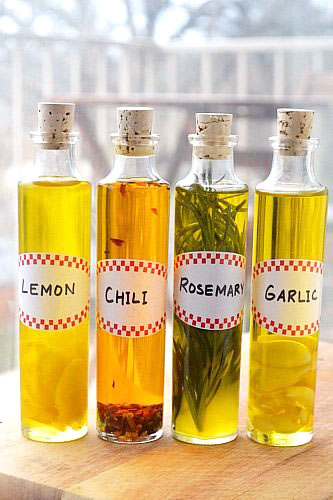
Infusing olive oil with botanicals like lemon, rosemary, and garlic is a traditional practice that combines culinary delight with the potential wellness benefits of the plants. However, creating these oils at home requires strict adherence to safety protocols to prevent serious health risks. This guide provides evidence-based recipes and explains the science behind the benefits and, most importantly, the necessary safety measures.

The Critical Importance of Safety: Understanding Botulism Risk
Before attempting any recipe, it is crucial to understand the risk of botulism. *Clostridium botulinum* is a bacterium found in soil that can produce a deadly toxin in low-acid, oxygen-free environments with available moisture. Unfortunately, fresh garlic, herbs, and vegetables submerged in oil create these exact conditions.
The original article’s advice to “brown” the garlic is a step in the right direction, but it is insufficient on its own. Therefore, all recipes involving fresh ingredients must include an acidification step and require immediate, short-term refrigeration. **Never store homemade infused oils with fresh ingredients at room temperature.**
1. Lemon-Infused Olive Oil: Brightness and Benefits
Lemon peel contains volatile oils, primarily limonene, which is responsible for its characteristic aroma and has been studied for its antioxidant properties. Infusing it into olive oil captures these fat-soluble compounds.
Recipe and Safe Preparation
- Ingredients: The peel of 2 organic lemons (well-washed), 1 cup of high-quality extra virgin olive oil.
- Preparation:
- First, carefully peel the lemons using a vegetable peeler, avoiding the white pith, which is bitter. For maximum safety and a longer shelf life, allow the peels to air-dry completely for 24-48 hours until they are brittle. This significantly reduces the water content.
- Next, gently warm the olive oil in a small saucepan over low heat. The oil should be warm to the touch but not smoking (do not exceed 180°F or 82°C). Overheating can damage the delicate compounds in the oil.
- Remove the pan from the heat and add the dried lemon peels.
- Allow the mixture to cool completely, then pour it, along with the peels, into a sterilized glass jar. Seal it tightly.
- Storage: Store in the refrigerator for up to one month.
2. Rosemary-Infused Olive Oil: Aromatic and Supportive
Rosemary (*Rosmarinus officinalis*) is rich in compounds like rosmarinic acid and carnosic acid. Research published in journals such as *Molecules* suggests these compounds have potent antioxidant and anti-inflammatory effects. Traditionally, rosemary has been used to support memory and concentration.
Recipe and Safe Preparation
- Ingredients: 3-4 sprigs of *completely dried* rosemary, 1 cup of extra virgin olive oil.
- Preparation:
- Ensure the rosemary is 100% dry. Any moisture can introduce risk. If using fresh rosemary, you must dehydrate it in an oven on the lowest setting or in a food dehydrator first.
- Place the dried rosemary sprigs into a sterilized glass jar.
- Gently warm the olive oil as described in the lemon oil recipe. Do not let it boil or smoke.
- Pour the warm oil over the rosemary in the jar, ensuring the sprigs are fully submerged.
- Seal the jar and let it infuse in a cool, dark place for one week, shaking it gently each day. For a faster infusion, you can keep it in the warm (but turned off) oven after baking something else.
- Storage: After one week, you can strain out the rosemary or leave it in. Store the oil in the refrigerator for up to two months.
3. Garlic-Infused Olive Oil: Potent Flavor with Strict Precautions
Garlic (*Allium sativum*) contains the sulfur compound allicin, which is responsible for its pungent aroma and is associated with cardiovascular and immune-supportive properties. However, it is the highest-risk infusion due to its low acidity and high water content.
Recipe and Safe Preparation (Acidification Method)
- Ingredients: 6-8 cloves of garlic, 2 cups of extra virgin olive oil, 2 tablespoons of lemon juice or white vinegar (the acidulant).
- Preparation:
- First, peel the garlic cloves and chop them coarsely.
- In a bowl, toss the chopped garlic with the lemon juice or vinegar. Let it sit for 10 minutes. This acidification step is critical for inhibiting bacterial growth.
- In a saucepan, combine the acidified garlic and the olive oil. Heat gently over low heat for 10-15 minutes. You should see tiny bubbles, but the garlic should not brown or fry. The goal is to infuse the flavor, not cook the garlic aggressively.
- Remove from heat and let the mixture cool completely.
- Strain the oil through a fine-mesh sieve into a sterilized glass jar, discarding all garlic pieces. **Do not leave the garlic pieces in the oil for storage.**
- Storage: This oil **must** be stored in the refrigerator and used within **7 days**. Label the jar with the date it was made.
Administration Protocol and Safety Limits
These infused oils are intended for culinary use, not as therapeutic treatments. Their consumption should be integrated into a balanced diet.
- Usage Duration: Can be used as part of a regular diet. However, for safety, homemade oils must be consumed within their specified shelf life.
- Maximum Quantity: Consume as you would regular olive oil, typically 1-2 tablespoons per day as part of meals. There is no therapeutic “dose.”
- Overdose Risk: The primary risk is not from the herbs but from potential microbial contamination (botulism) if preparation and storage instructions are not followed precisely.
Specific Biological Limitation
The primary limitation is microbiological, not physiological. The anaerobic (oxygen-free) environment created by submerging low-acid botanicals like fresh garlic in oil is ideal for the germination of *Clostridium botulinum* spores. Acidification and refrigeration are essential control measures that disrupt this environment, making it less hospitable for the bacteria to thrive and produce its deadly neurotoxin.
Contraindications and Precautions
- Absolute Contraindications: Individuals with known allergies to lemon (citrus), rosemary (Lamiaceae family), or garlic (allium family) should avoid these infusions.
- Improper Storage: The most significant contraindication is improper preparation or storage. Any oil that appears cloudy, smells “off,” or shows signs of gas formation (bubbling) should be discarded immediately without tasting.
- Drug Interactions: While culinary amounts are generally safe, high consumption of garlic may have a mild blood-thinning effect. Consequently, individuals on anticoagulant medications like warfarin should consult their healthcare provider before consuming large quantities of garlic-infused oil.
Therapeutic Alternatives
If you are seeking specific health benefits associated with these plants, other preparations may be more suitable and potent than culinary oils.
- For Cardiovascular Support (like Garlic): Consider standardized garlic supplements (enteric-coated to preserve allicin), Hawthorn (*Crataegus monogyna*) berry extracts, or increasing dietary intake of omega-3 fatty acids.
- For Cognitive Support (like Rosemary): Sage (*Salvia officinalis*) tea has been traditionally used and is being researched for similar cognitive benefits. Ginkgo biloba is another well-studied botanical for cognitive function.
- For Antioxidant Support (like Lemon): Green tea, rich in EGCG, or a diet high in various colorful fruits and vegetables provides a broad spectrum of antioxidants. Turmeric (*Curcuma longa*) with black pepper is another potent antioxidant and anti-inflammatory option.
Recent Medical Research (2020-2026)
Modern research continues to validate the traditional uses of these ingredients.
- A 2023 meta-analysis published in Food Science & Nutrition reaffirmed the benefits of olive oil polyphenols, like those in extra virgin olive oil, for improving cardiovascular risk factors.
- Research in the *International Journal of Molecular Sciences* (2022) highlighted the neuroprotective potential of carnosic acid from rosemary, suggesting mechanisms that may protect brain cells from oxidative stress.
- Studies on allicin from garlic, such as a 2021 review in Trends in Food Science & Technology, continue to explore its antimicrobial and cardioprotective effects, though its instability remains a challenge in food preparations.
Current Limitations: While the individual components are well-studied, research on the specific health effects of these homemade infused oils is limited. The benefits are inferred from the properties of the ingredients, and the concentration of active compounds can vary widely.
Specialist’s Summary
Homemade infused oils are excellent for culinary purposes, potentially adding beneficial plant compounds to the diet. Rosemary infusion is the safest when using dried herbs, while lemon and especially garlic infusions require strict safety protocols, including acidification and refrigeration, to mitigate the serious risk of botulism. These oils are a dietary enhancement, not a medical treatment, and must be consumed within a very short timeframe.
Frequently Asked Questions
1. Can I use fresh herbs instead of dried for the rosemary oil?
It is strongly discouraged. Fresh herbs contain water, which creates a risk for bacterial growth, including *Clostridium botulinum*. If you must use fresh herbs, the oil should be refrigerated and used within 4 days.
2. Why can’t I just heat the garlic oil to kill the bacteria?
The botulism-producing bacteria exist as spores, which are highly resistant to heat. While heating can kill the active bacteria, it may not eliminate the spores. If the oil is then stored improperly, these spores can germinate and produce the toxin.
3. My garlic oil looks cloudy. Is it safe to eat?
No. Cloudiness, foul odors, or any sign of gas/pressure buildup are warning signs of spoilage. Discard the oil immediately without tasting it. When in doubt, throw it out.
4. Is it safe to make these oils for children or during pregnancy?
When used in small culinary amounts as part of a meal, these oils are generally considered safe, provided they are made and stored correctly. However, they should not be used as a “remedy” or in large quantities. The primary concern is food safety; therefore, absolute adherence to the safety protocols is non-negotiable for these vulnerable populations.
Sources and References
- Centers for Disease Control and Prevention (CDC). (n.d.). Botulism.
- U.S. Food & Drug Administration (FDA). (2022). Food Safety Information.
- Di-Ciaula, A., et al. (2023). Extra virgin olive oil: A comprehensive review of its health-promoting properties. Food Science & Nutrition.
- de Oliveira, M.R. (2022). Carnosic Acid as a Promising Agent for the Management of Brain Disorders. International Journal of Molecular Sciences.
⚠️ Important Medical Information
This article is for educational and informational purposes only and is not intended as medical advice, diagnosis, or treatment. The information provided about Lemon, Rosemary, and Garlic infused oils is based on traditional culinary use and available scientific evidence, which may be limited for homemade preparations.
Before using these oils for health purposes:
- Consult a qualified healthcare provider, especially if you are pregnant, breastfeeding, taking medications, or have existing health conditions.
- Do not use as a substitute for prescribed medications or professional medical treatment.
- Follow all safety instructions precisely to avoid the risk of serious foodborne illness like botulism.
- Monitor for adverse reactions and discontinue use if negative symptoms occur.