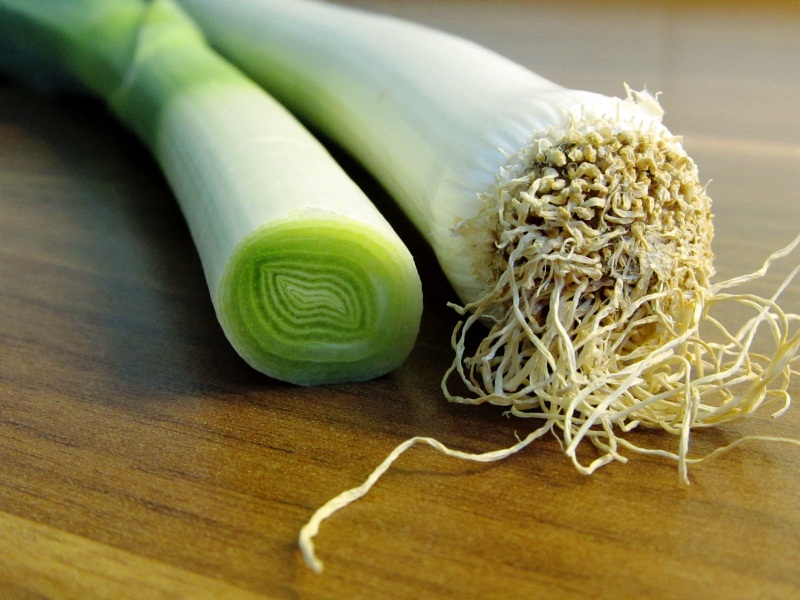
Leek (*Allium porrum*), a vegetable closely related to onion and garlic, has a long history in traditional European folk medicine as a remedy for respiratory ailments. While often overshadowed by its more pungent relatives, leek possesses unique properties that make it a gentle yet potentially effective ingredient for soothing coughs and throat irritation. This article provides an evidence-based guide to preparing and using leek syrup, including a clear recipe, mechanisms of action, and essential safety protocols.

Unlike remedies that promise to cure infections, leek syrup functions primarily as a demulcent and soothing agent. Its benefits are attributed to a combination of its natural compounds.
How Leek Syrup May Help Soothe a Cough
The therapeutic value of leek for respiratory irritation is based on its composition. Importantly, while direct clinical trials on leek syrup are limited, research on its components provides a plausible scientific basis for its traditional use.
- Mucilage Content: Leeks contain a significant amount of mucilage, a gel-like substance that can form a protective, soothing film over irritated mucous membranes in the throat. This action, known as a demulcent effect, may help reduce the tickling sensation that triggers a dry, hacking cough.
- Sulphur Compounds: As a member of the *Allium* family, leeks contain sulphur compounds which are precursors to substances like allicin. Research suggests these compounds possess mild antimicrobial and expectorant properties, potentially helping to loosen phlegm.
- Anti-inflammatory Flavonoids: Leeks are a rich source of kaempferol, a flavonoid that has been studied for its anti-inflammatory effects. According to research published in the journal Molecules, kaempferol can modulate inflammatory pathways, which may help reduce the swelling and discomfort associated with pharyngitis and tracheitis.
Improved Leek Syrup Recipe for Throat Relief
This recipe has been refined for clarity, safety, and effectiveness. Using raw, unpasteurized honey can add its own soothing and antimicrobial properties to the syrup.
Ingredients
- 2 medium-sized leeks (white and light green parts only)
- 1 cup (approx. 240 ml) of purified water
- 4 tablespoons of raw, unpasteurized honey (Note: See safety warning for children)
Preparation Instructions
- Clean the Leeks: First, slice the leeks lengthwise and wash them thoroughly under running water to remove any dirt trapped between the layers. Then, chop them into fine pieces.
- Simmer Gently: Place the chopped leeks in a small saucepan with the water. Bring the mixture to a gentle simmer over low heat. Avoid a rolling boil, as this can degrade some of the beneficial compounds.
- Cook Until Soft: Let the leeks simmer for approximately 15-20 minutes, or until they are very soft and tender.
- Blend the Mixture: Carefully transfer the leeks and the cooking water to a blender. Blend on high speed until you achieve a smooth, homogenous puree. If you do not have a blender, you can use an immersion blender directly in the pot.
- Incorporate Honey: Allow the mixture to cool to a lukewarm temperature (below 40°C or 104°F) to preserve the enzymes in the raw honey. Stir in the honey until it is fully dissolved.
- Store Properly: Pour the finished syrup into a clean, airtight glass jar. Store it in the refrigerator for up to 7 days.
Administration Protocol and Safety Limits
For this remedy to be used safely and effectively, it is crucial to follow a clear administration protocol.
- Standard Adult Dosage: Take 1-2 teaspoons (5-10 ml) of the syrup every 4-6 hours as needed to soothe throat irritation.
- Maximum Daily Dose: Do not exceed 6 doses (60 ml) in a 24-hour period for a healthy adult.
- Treatment Duration: Use this syrup for short-term relief, typically for 3 to 5 days. If your cough persists for more than a week, worsens, or is accompanied by fever, you should consult a healthcare provider.
- Administration Timing: For best results, take the syrup between meals. This allows the mucilage to coat the throat without being immediately washed away by food or drink.
Specific Biological Limitation
FODMAP Content and Digestive Sensitivity
Leeks are high in fructans, a type of fermentable carbohydrate known as a FODMAP (Fermentable Oligosaccharides, Disaccharides, Monosaccharides, and Polyols). For most people, this is not an issue. However, for individuals with Irritable Bowel Syndrome (IBS) or a known FODMAP sensitivity, consuming leek syrup can trigger uncomfortable digestive symptoms such as gas, bloating, stomach cramps, and diarrhea. Therefore, this remedy is not suitable for this population.
Contraindications and Precautions
This remedy is not suitable for everyone. Please review the following contraindications carefully.
Absolute Contraindications
- Allium Allergy: Individuals with a known allergy to plants in the *Allium* family (such as onions, garlic, chives, or shallots) must avoid this syrup to prevent allergic reactions.
- Infants Under 1 Year: CRITICAL WARNING: This recipe contains honey, which should NEVER be given to infants under 12 months of age due to the serious risk of infant botulism.
- FODMAP Sensitivity/IBS: As detailed above, this syrup is contraindicated for those with IBS or fructan intolerance.
Vulnerable Populations
- Children (1-12 years): The dosage should be reduced to half a teaspoon (2.5 ml) up to 3 times a day. Always consult a pediatrician before giving any herbal remedy to a child.
- Pregnancy and Breastfeeding: While leeks are safe as a food, the concentrated medicinal use of this syrup lacks sufficient safety data. Consequently, it is best to consult a healthcare provider before use.
- Individuals Prone to Kidney Stones: Leeks contain oxalates, which can contribute to the formation of calcium oxalate kidney stones in susceptible individuals. If you have a history of kidney stones, use this remedy with caution.
Potential Drug Interactions
- Anticoagulants (e.g., Warfarin): Leeks are a source of Vitamin K, which plays a role in blood clotting. In theory, very high consumption could interfere with the efficacy of blood-thinning medications. While moderate use of this syrup is unlikely to cause a significant interaction, individuals on these medications should consult their doctor.
Therapeutic Alternatives
If leek syrup is not suitable for you, several other evidence-based botanicals can provide relief for coughs and sore throats.
| Alternative | Primary Use | Mechanism of Action |
|---|---|---|
| Marshmallow Root (Althaea officinalis) | Dry, irritating coughs and sore throat | High in mucilage, providing a superior demulcent (coating) effect. The European Medicines Agency (EMA) approves its use for this purpose. |
| Thyme (Thymus vulgaris) | Productive (chesty) coughs with mucus | Acts as an expectorant and antispasmodic, helping to loosen phlegm and calm cough spasms. Its use is supported by Commission E and EMA monographs. |
| Mullein (Verbascum thapsus) | Congested coughs and bronchitis | Traditionally used as an expectorant and demulcent, it helps soothe the respiratory tract while promoting the clearing of mucus. |
Note: Each alternative has its own specific contraindications and preparation methods.
Recent Medical Research (2020-2026)
While direct research on “leek syrup” is scarce, recent studies continue to validate the therapeutic potential of its key components.
- A 2022 review in the journal Antioxidants highlighted the potent anti-inflammatory and antioxidant activities of organosulfur compounds found in *Allium* vegetables, providing a scientific basis for their role in mitigating inflammatory conditions.
- Furthermore, a 2023 study on kaempferol confirmed its ability to inhibit pro-inflammatory cytokines, which are molecules that drive the inflammatory process in conditions like pharyngitis.
Current Limitations: It is important to acknowledge that the evidence for leek syrup is primarily traditional and mechanistic. High-quality human clinical trials are needed to determine its precise efficacy and optimal dosage for respiratory conditions.
Specialist’s Summary
Leek syrup is a traditional demulcent remedy that may be useful for soothing dry, irritated coughs and sore throats due to its mucilage and anti-inflammatory flavonoid content. Its effects are generally mild and supportive. However, it is strictly contraindicated for infants, individuals with Allium allergies, and those with IBS or FODMAP sensitivity. Validated botanical alternatives offering stronger effects include Marshmallow Root for soothing or Thyme for expectoration.
Frequently Asked Questions
Is leek syrup effective for all types of coughs?
No, it is most suitable for dry, non-productive coughs where throat irritation is the primary issue. For wet, productive coughs, an expectorant herb like Thyme or Mullein would be a more appropriate choice.
How long does homemade leek syrup last?
When stored in an airtight container in the refrigerator, the syrup should be used within 7 days. Discard it if you notice any signs of spoilage, such as a sour smell or mold.
Can I use sugar instead of honey in the recipe?
Yes, you can substitute sugar (such as demerara or coconut sugar) to create a simple syrup. However, you will lose the additional soothing and potential antimicrobial benefits that raw honey provides. Remember, honey itself is recognized as a traditional cough suppressant.
Sources and References
- Rauf, A., et al. (2023). Kaempferol and its glycosides: A review of their anti-inflammatory and other biological activities. Phytotherapy Research.
- Putnik, P., et al. (2022). Organosulfur Compounds from Allium spp. in Health and Disease. Antioxidants.
- European Medicines Agency (EMA). Community herbal monograph on Althaea officinalis L., radix.
- Blumenthal, M. (Ed.). (1998). The Complete German Commission E Monographs: Therapeutic Guide to Herbal Medicines. American Botanical Council.
⚠️ Important Medical Information
This article is for educational and informational purposes only and is not intended as medical advice, diagnosis, or treatment. The information provided about Leek Syrup is based on traditional use, preliminary research, and available scientific evidence, which may be limited.
Before using Leek Syrup:
- Consult a qualified healthcare provider, especially if you are pregnant, breastfeeding, taking medications, or have existing health conditions like IBS or a history of kidney stones.
- Do not use as a substitute for prescribed medications or professional medical treatment for persistent or severe coughs.
- Individual results may vary – what works for one person may not work for another.
- Monitor for adverse reactions, such as digestive upset or allergic symptoms, and discontinue use if they occur.
Regulatory status: Leek is a food product. When used as a remedy, it is considered a traditional remedy and has not been evaluated by the FDA for treating, curing, or preventing any disease.