Liver Support Diet: Evidence-Based Recipes and Safety

by Andreea Smiterson
0 comments
A+A-
Reset

The liver is a vital organ, performing over 500 critical functions, including filtering toxins from the blood, metabolizing nutrients, and producing essential proteins. However, modern lifestyles—characterized by processed foods, environmental toxins, and high stress levels—can place a significant burden on it. Consequently, supporting the liver’s natural detoxification processes through nutrition is a cornerstone of holistic health.

This article provides evidence-based nutritional strategies and phytotherapeutic recipes to support liver function. Importantly, these methods are intended to assist the body’s inherent capabilities, not to act as a “miracle cleanse” or a substitute for professional medical care for liver diseases.

Cleansing and Healing the Liver Through Nutrition (Recipes)

Foundational Nutrition for Liver Health

Before exploring specific remedies, it is crucial to adopt a diet that reduces the liver’s workload. Therefore, prioritizing whole, unprocessed foods is the first and most important step.

Key Food Groups for Liver Support:

  • Cruciferous Vegetables: Foods like cabbage, broccoli, cauliflower, and Brussels sprouts are rich in glucosinolates. These compounds help activate Phase II detoxification enzymes in the liver, which are essential for neutralizing and eliminating harmful substances.
  • Beetroot: This vegetable contains antioxidants called betalains, which studies suggest may help protect liver cells from oxidative stress and support detoxification pathways.
  • Leafy Greens: Spinach, kale, and arugula are high in chlorophyll and bitter compounds. Furthermore, bitters can stimulate bile production, which is crucial for digesting fats and excreting waste products.
  • Healthy Fats: Sources such as extra virgin olive oil, avocados, and walnuts provide anti-inflammatory fatty acids that can help counteract liver inflammation, particularly in non-alcoholic fatty liver disease (NAFLD).
  • Lean Protein: Consuming adequate lean protein, such as from fish and legumes, is necessary for the liver to perform its regenerative functions and synthesize enzymes.

Evidence-Based Recipes for Liver Support

The following recipes incorporate ingredients traditionally and scientifically recognized for their supportive role in liver health. They are safe for general consumption but should be integrated into a balanced diet.

1. Milk Thistle Seed Decoction

Milk Thistle (Silybum marianum) is the most extensively researched herb for liver health. Its primary active compound, silymarin, has demonstrated significant hepatoprotective, antioxidant, and anti-inflammatory properties in numerous clinical studies.

Recipe:

  • 1 teaspoon of crushed Milk Thistle seeds
  • 1 cup (250 ml) of water

Instructions: First, add the crushed seeds and water to a small saucepan. Next, bring the mixture to a boil and then reduce the heat to a simmer for 15-20 minutes. Finally, strain the decoction and drink it warm, preferably 30 minutes before a meal. For therapeutic dosages, however, standardized silymarin extracts are often recommended by practitioners.

Administration Protocol and Safety Limits (Milk Thistle)

Treatment Duration and Dosage

  • Standard Use: For general liver support, a daily decoction can be used for cycles of 4-6 weeks.
  • Mandatory Break: It is advisable to take a 2-week break between cycles to allow the body to reset.
  • Maximum Daily Dose: For standardized extracts, clinical studies often use doses ranging from 200 to 600 mg of silymarin per day, divided into two or three doses. Do not exceed the dosage recommended by your healthcare provider or on the product label.

Administration Conditions

  • Timing: For best absorption and to support digestion, take Milk Thistle 20-30 minutes before meals.
  • Overdose Risk: While generally well-tolerated, excessively high doses may cause gastrointestinal upset, such as a laxative effect or bloating.

Specific Biological Limitation

Milk Thistle’s active compounds can influence the cytochrome P450 enzyme system in the liver, which is responsible for metabolizing many pharmaceutical drugs. Although this interaction is generally considered mild, it could theoretically alter the effectiveness or toxicity of certain medications. Therefore, individuals on prescription medication must consult their doctor before starting Milk Thistle.

Contraindications and Precautions

  • Absolute Contraindications: Do not use if you have a known allergy to plants in the Asteraceae family (e.g., ragweed, daisies, marigolds).
  • Vulnerable Populations:
    • Pregnancy and Breastfeeding: Insufficient safety data exists; therefore, avoidance is recommended.
    • Children: Use only under the guidance of a qualified healthcare professional.
  • Major Drug Interactions: Use with caution if taking medications metabolized by the CYP2C9 and CYP3A4 enzymes, such as certain statins, anti-anxiety drugs, or blood thinners. Always consult a pharmacist or doctor.
  • When to Stop Immediately: Discontinue use if you experience any signs of an allergic reaction, such as a rash, hives, or difficulty breathing.

2. Dandelion and Chicory Root “Coffee”

Both Dandelion (Taraxacum officinale) and Chicory (Cichorium intybus) roots are traditionally used as cholagogues, meaning they support bile flow. Improved bile circulation aids in fat digestion and the elimination of waste. This roasted blend serves as a healthy, caffeine-free coffee substitute.

Recipe: Mix one teaspoon of roasted dandelion root and one teaspoon of roasted chicory root in a French press or teapot. Pour one cup (250 ml) of boiling water over the roots. Let it steep for 10-15 minutes, then strain and drink.

3. Liver-Supportive Salad

This salad combines several ingredients known to support liver function through different mechanisms.

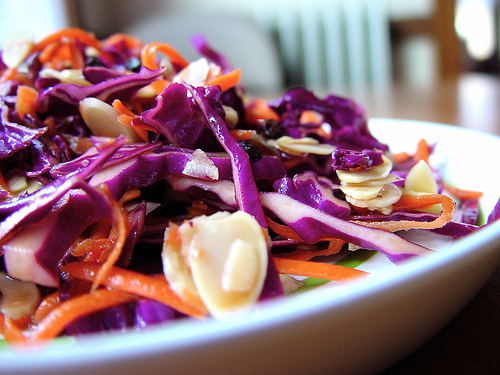
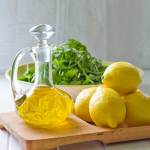
Ingredients: Finely shred 2 cups of raw cabbage and grate 1 raw beetroot. Add a handful of arugula for its bitter properties. For the dressing, whisk together 2 tablespoons of extra virgin olive oil, the juice of half a lemon, and a pinch of black pepper. Combine all ingredients and consume as a side dish with lean protein.

Therapeutic Alternatives

If Milk Thistle is not suitable for you, other evidence-based options can provide liver support:

  1. Artichoke Leaf Extract (Cynara scolymus): Research indicates it stimulates bile production and may help protect liver cells and lower cholesterol. It is particularly useful for digestive symptoms related to poor fat metabolism.
  2. Turmeric (Curcuma longa): The active compound, curcumin, is a potent anti-inflammatory agent. Studies suggest it can help reduce liver inflammation and oxidative stress, which is especially relevant in conditions like NAFLD.
  3. Schisandra Berry (Schisandra chinensis): This adaptogenic herb has been shown in studies to protect the liver from various toxins and support regeneration by activating enzymes in liver cells.

Recent Medical Research (2020-2026)

Recent research continues to validate the role of these natural compounds in liver health. For instance, a 2022 meta-analysis published in Frontiers in Pharmacology confirmed that silymarin supplementation significantly improved liver enzyme levels (ALT and AST) in patients with non-alcoholic fatty liver disease. Furthermore, ongoing studies are exploring the synergistic effects of combining compounds like curcumin and silymarin. However, researchers acknowledge that larger, more robust clinical trials are still needed to establish standardized treatment protocols.

Specialist’s Summary

Nutrition and specific herbs like Milk Thistle offer valuable support for liver function, primarily by reducing oxidative stress and aiding natural detoxification processes. Milk Thistle is particularly useful for general liver protection, with moderate effects observable after several weeks of consistent use. However, it is contraindicated for those with Asteraceae allergies and requires caution when used with certain medications. Validated alternatives like Artichoke extract and Turmeric offer complementary benefits for bile flow and inflammation, respectively.

Frequently Asked Questions

Can I “detox” or “cleanse” my liver in a few days?
The concept of a short-term “detox” is a misconception. Liver support is an ongoing process achieved through a consistent, healthy diet and lifestyle, not a quick fix. The liver cleanses itself continuously, and our role is to provide the nutrients it needs to do its job efficiently.

Is it safe to take Milk Thistle every day?
For many people, daily use is safe for limited periods (e.g., 4-6 weeks), followed by a break. However, long-term, uninterrupted use should only be done under the supervision of a healthcare provider who can monitor your health and potential interactions.

What are the worst foods for liver health?
The most damaging substances for the liver are excessive alcohol, high-fructose corn syrup (found in many sugary drinks and processed foods), trans fats (often listed as “partially hydrogenated oils”), and excessive consumption of fried foods.

Sources and References

  • Abenavoli, L., Izzo, A. A., Milić, N., Cicala, C., Santini, A., & Capasso, R. (2018). Milk thistle (Silybum marianum): a concise overview on its chemistry, pharmacological, and nutraceutical uses in liver diseases. Phytotherapy research : PTR, 32(11), 2202–2213.
  • Xiao, F., Gao, F., Zhou, S., et al. (2022). The Efficacy and Safety of Silymarin for Patients With Nonalcoholic Fatty Liver Disease: A Systematic Review and Meta-Analysis. Frontiers in Pharmacology, 13, 831841.
  • World Health Organization (WHO). (1999). WHO Monographs on Selected Medicinal Plants, Volume 2. *Radix Taraxaci*.
⚠️ Important Medical Information

This article is for educational and informational purposes only and is not intended as medical advice, diagnosis, or treatment. The information provided about nutritional and herbal support for the liver is based on traditional use, preliminary research, and available scientific evidence, which may be limited.

Before using any herbal remedy like Milk Thistle:

  • Consult a qualified healthcare provider, especially if you are pregnant, breastfeeding, taking medications, or have existing health conditions like liver disease.
  • Do not use as a substitute for prescribed medications or professional medical treatment.
  • Individual results may vary – what works for one person may not work for another.
  • Monitor for adverse reactions and discontinue use if negative symptoms occur.

Regulatory status: The herbs and foods discussed are considered dietary supplements or foods and have not been evaluated by the FDA for treating, curing, or preventing any disease.


You may also like

Leave a Comment