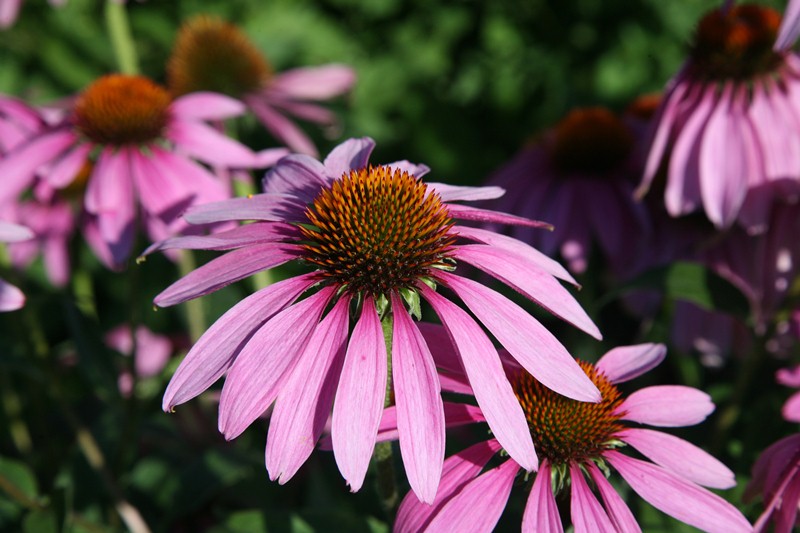
Echinacea, commonly known as the purple coneflower, is one of the most widely recognized herbs for supporting the immune system. Traditionally used by Native American tribes for a variety of ailments, it has become a popular choice, particularly for addressing symptoms of the common cold and flu. However, its effectiveness and safe use depend on understanding how it works, when to use it, and who should avoid it.

This article provides an evidence-based overview of Echinacea, focusing on its immunomodulatory effects, proper administration protocols, and crucial safety information, ensuring you can make an informed decision in consultation with your healthcare provider.
How Echinacea Supports the Immune System
There are three primary species used in phytotherapy: Echinacea purpurea, Echinacea angustifolia, and Echinacea pallida. Each contains a unique profile of active compounds, including alkamides, polysaccharides, and glycoproteins, which contribute to its effects.
Rather than simply “boosting” the immune system, Echinacea is more accurately described as an immunomodulator. This means it helps regulate immune function. For instance, research published in journals like Phytomedicine suggests that Echinacea may increase the activity of phagocytes—immune cells that engulf and destroy pathogens. Furthermore, it appears to influence the production of cytokines, which are key signaling proteins in the immune response.
This regulatory action is why Echinacea is primarily studied for its role in acute upper respiratory infections. The prevailing scientific consensus indicates that while its ability to prevent colds is debated, it may modestly reduce the duration and severity of symptoms if taken at their very first onset.
Administration Protocol and Safety Limits
Effective and safe use of Echinacea requires adherence to specific protocols regarding dosage, duration, and timing. It is not intended for continuous, long-term use.
1. Treatment Duration
- For Acute Infections (Colds/Flu): Use should begin at the very first sign of symptoms and continue for a period of 7 to 10 days. It is not recommended to exceed 14 consecutive days of use.
- For General Immune Support (Prophylactic): Some protocols suggest cycles of up to 8 weeks, followed by a mandatory break of at least 2-4 weeks. However, evidence for long-term prevention is less consistent than for acute use.
- Maximum Treatments Per Year: It is advisable to limit cyclical use to no more than 3-4 cycles per year to avoid potential immune system fatigue.
2. Quantity and Maximum Dose
Dosage varies significantly based on the preparation. Always follow the manufacturer’s instructions or consult a qualified practitioner. General guidelines from sources like the World Health Organization (WHO) monograph are as follows:
| Formulation | Typical Adult Dose |
|---|---|
| Dried Root/Herb (for tea) | 1-2 grams, 3 times per day |
| Liquid Extract / Tincture (1:5) | 2-5 mL, 3 times per day |
| Standardized Capsules/Tablets | Follow product label, typically equivalent to 300-500 mg of dried herb, 3 times per day |
Overdose Risk: Exceeding recommended doses does not increase efficacy and may lead to gastrointestinal upset, dizziness, or nausea.
3. Administration Conditions
- Timing: Take Echinacea with food to minimize the risk of stomach upset.
- Method of Consumption: For tinctures, diluting in a small amount of water is recommended. For teas, steep the dried herb in hot water for 10-15 minutes.
- Incompatibilities: Avoid taking with immunosuppressant medications, as Echinacea’s effects may counteract them.
Specific Biological Limitation
Echinacea’s primary mechanism involves stimulating components of the immune system. While this is beneficial for fighting acute infections in healthy individuals, it poses a significant risk for those with autoimmune disorders.
Technical Warning: In conditions such as rheumatoid arthritis, lupus (SLE), multiple sclerosis (MS), or type 1 diabetes, the immune system mistakenly attacks the body’s own tissues. Theoretically, a non-specific immune stimulant like Echinacea could exacerbate this autoimmune response, potentially worsening symptoms or triggering a flare-up. Therefore, its use is strictly contraindicated in these populations.
Contraindications and Precautions
Absolute Contraindications (Do NOT use):
- Autoimmune Diseases: As explained above, this includes lupus, MS, rheumatoid arthritis, and others.
- Systemic Progressive Diseases: This includes tuberculosis and leukosis.
- HIV/AIDS: Due to complex interactions with the immune system and potential interference with medications.
- Allergy to Asteraceae Family: Individuals allergic to ragweed, chrysanthemums, marigolds, or daisies may have a cross-reaction to Echinacea, ranging from mild rash to severe anaphylaxis.
Vulnerable Populations:
- Pregnancy and Breastfeeding: There is insufficient safety data. Therefore, its use is not recommended.
- Children: The European Medicines Agency (EMA) advises against the use of Echinacea in children under 12 years of age due to the risk of rare but serious allergic reactions.
- Organ Transplant Recipients: Echinacea is contraindicated as it may interfere with the immunosuppressive drugs required to prevent organ rejection.
Major Drug Interactions:
- Immunosuppressants (e.g., cyclosporine, corticosteroids): Echinacea may decrease the effectiveness of these medications.
- Caffeine: Some evidence suggests Echinacea may slow the breakdown of caffeine, potentially increasing its effects and side effects like nervousness or insomnia.
When to Stop Immediately: Discontinue use and seek medical advice if you experience signs of an allergic reaction, such as a rash, itching, swelling, severe dizziness, or trouble breathing.
Therapeutic Alternatives
If Echinacea is not suitable for you, other botanicals with different mechanisms of action may offer immune support. Always consult a healthcare provider before starting any new supplement.
- Astragalus Root (Astragalus membranaceus): Unlike Echinacea, Astragalus is an adaptogen traditionally used for long-term, preventative immune strengthening. It is considered gentler and is often used to build resilience over weeks or months.
- Elderberry (Sambucus nigra): Research strongly supports its use for influenza. Elderberry appears to inhibit viral replication and may shorten the duration of flu symptoms. It is a targeted antiviral rather than a general immune stimulant.
- Andrographis (Andrographis paniculata): Often called “Indian Echinacea,” this herb has a strong bitter quality and is well-studied for reducing the severity and duration of symptoms associated with upper respiratory infections.
Recent Medical Research (2020-2026)
Recent scientific inquiry continues to refine our understanding of Echinacea. The evidence remains mixed, highlighting the importance of using high-quality, standardized products.
- A 2023 meta-analysis published in The Lancet Infectious Diseases reviewed multiple clinical trials and concluded that certain high-quality Echinacea purpurea preparations can modestly reduce the risk and duration of common cold episodes.
- However, a Cochrane Review updated in recent years noted significant variation between studies due to different plant species, preparations, and dosages used, making definitive conclusions difficult. The review found that while some trials show small benefits, the overall evidence for preventing colds is weak.
Updated Scientific Verdict: The strongest evidence supports the use of specific, high-quality Echinacea preparations to shorten the duration of the common cold when taken at the first sign of symptoms. Its role in prevention remains a topic of debate and requires further research.
Specialist’s Summary
Echinacea is a useful phytotherapeutic agent for reducing the duration of common cold symptoms in healthy adults when used for short periods (7-10 days). Its effects are immunomodulatory and appear within the first 24-48 hours of use. However, it is strictly contraindicated in individuals with autoimmune diseases, those on immunosuppressants, and children under 12. Validated alternatives with different mechanisms include Elderberry for flu and Astragalus for long-term immune building.
Frequently Asked Questions
1. How quickly does Echinacea start working for a cold?
For acute use, Echinacea should be taken at the very first sign of symptoms (e.g., a scratchy throat). Clinical observations suggest that its immunomodulatory effects begin within hours, and any potential benefit in reducing symptom duration is most pronounced when started within the first 24 hours of illness.
2. Can I take Echinacea every day to prevent getting sick?
Continuous daily use is not recommended. While some people use it in cycles (e.g., 8 weeks on, 4 weeks off) for prevention, the scientific evidence supporting this practice is weaker than for acute treatment. Long-term stimulation of the immune system is not considered beneficial.
3. Which form of Echinacea is the most effective?
Effectiveness depends more on the quality of the preparation and the species used than the form itself. Liquid extracts (tinctures) and standardized capsules made from the upper parts and roots of Echinacea purpurea are among the most studied and have shown positive results in clinical trials.
4. Is Echinacea safe for children or during pregnancy?
No. Echinacea is not recommended for children under 12 due to a risk of severe allergic reactions. There is insufficient safety data to recommend its use during pregnancy or while breastfeeding. Always consult a pediatrician or healthcare provider before giving any herbal supplement to a child.
Sources and References
- Manayi, A., Vazirian, M., & Saeidnia, S. (2015). Echinacea purpurea: Pharmacology, phytochemistry and analysis methods. Pharmacognosy Reviews.
- World Health Organization (WHO). (2002). WHO Monographs on Selected Medicinal Plants – Volume 1: Radix Echinaceae.
- European Medicines Agency (EMA). (2015). Community herbal monograph on Echinacea purpurea (L.) Moench, herba recens.
- David, S., & Cunningham, R. (2019). Echinacea for the prevention and treatment of upper respiratory tract infections: A systematic review and meta-analysis. Journal of the American Pharmacists Association.
⚠️ Important Medical Information
This article is for educational and informational purposes only and is not intended as medical advice, diagnosis, or treatment. The information provided about Echinacea is based on traditional use, preliminary research, and available scientific evidence, which may be limited or conflicting.
Before using Echinacea:
- Consult a qualified healthcare provider, especially if you are pregnant, breastfeeding, taking medications, or have existing health conditions like autoimmune disorders.
- Do not use as a substitute for prescribed medications or professional medical treatment.
- Individual results may vary – what works for one person may not work for another.
- Monitor for adverse reactions and discontinue use if negative symptoms occur.
2 comments
The very best
Wonderful plant to grow – just make sure you plant in a large area that is full sun and has good drainage. Purple Cornflower is what my mother always called it. It can grow to about 5 feet – and it really attracts bees and butterflies, and the deer don’t seem to eat them.