Coconut Flour: High-Fiber Benefits and Safe Use

by Andreea Smiterson
0 comments
A+A-
Reset

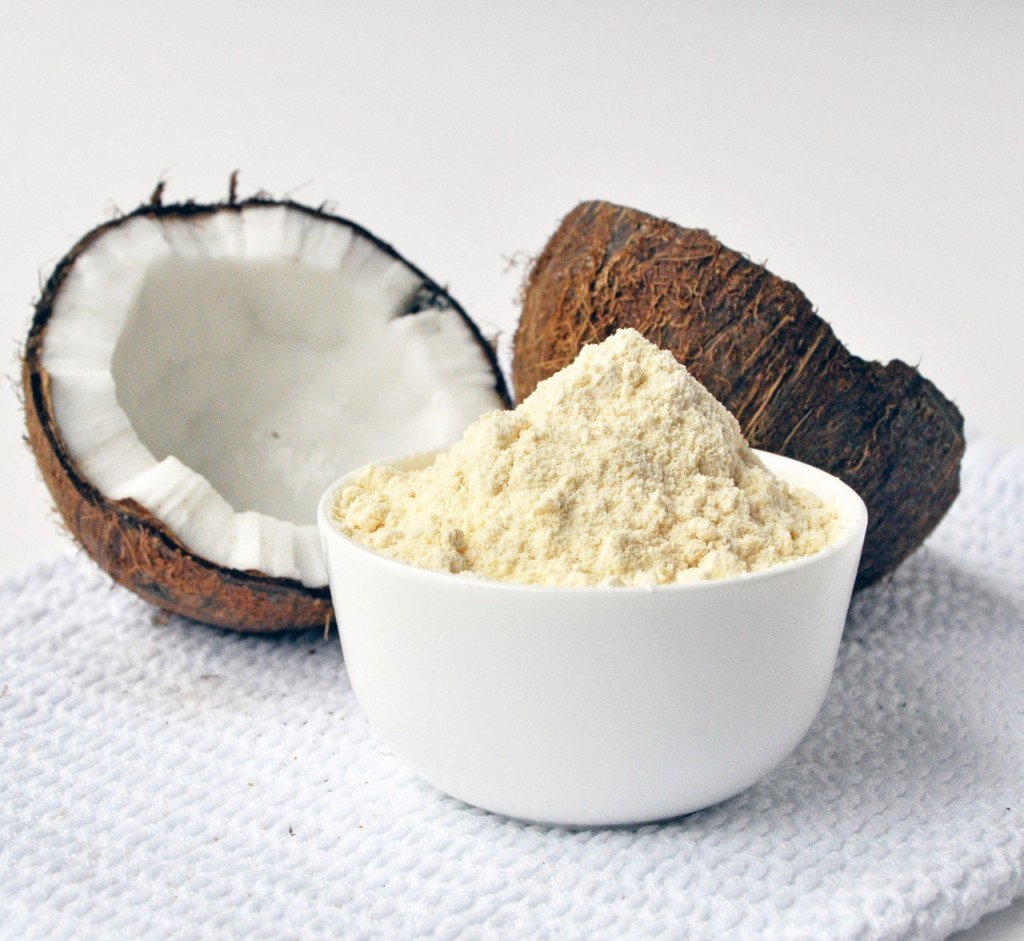
As interest in alternative, nutrient-dense foods grows, coconut flour has emerged as a popular gluten-free option. Derived from dried, ground coconut meat (*Cocos nucifera*), this flour is a byproduct of coconut milk production. Unlike traditional grain-based flours, it possesses a unique nutritional profile characterized by exceptionally high fiber content, moderate protein, and beneficial fats.

However, its use extends beyond simple culinary substitution. Understanding its specific properties and health implications is crucial for incorporating it effectively and safely into your diet. This article provides an evidence-based overview of the potential benefits of coconut flour, supported by scientific research and clear safety protocols.

coconut-flour-health-benefits

Evidence-Based Health Benefits of Coconut Flour

While traditionally used in tropical regions, modern research has begun to validate several health benefits associated with coconut flour’s unique composition.

1. Supports Digestive Health and Regularity

The most significant characteristic of coconut flour is its remarkable dietary fiber content. For instance, research published in Innovative Food Science & Emerging Technologies highlighted that coconut flour contains a significantly higher amount of dietary fiber compared to wheat flour. This fiber is predominantly insoluble, which helps add bulk to stool and supports bowel regularity, potentially aiding in the prevention of constipation.

Furthermore, while more research is needed, some components of this fiber may act as prebiotics, feeding beneficial bacteria in the gut and contributing to a healthy gut microbiome.

2. May Aid in Blood Sugar Management

Coconut flour has a low glycemic index (GI), meaning it causes a slower, more gradual rise in blood sugar levels compared to high-carbohydrate flours. This effect is primarily due to its high fiber content, which slows the digestion and absorption of sugars into the bloodstream. A 2021 study in the Journal of Functional Foods found that incorporating coconut flour into food products lowered their overall glycemic response. Consequently, for individuals managing diabetes or seeking to maintain stable energy levels, coconut flour can be a valuable dietary component when used as part of a balanced meal plan.

3. A Safe Alternative for Gluten-Related Disorders

For individuals with celiac disease, an autoimmune condition triggered by gluten, or non-celiac gluten sensitivity, coconut flour is an excellent and safe alternative. Because it is naturally 100% gluten-free, it allows for the creation of baked goods and other recipes without the risk of triggering an adverse immune or inflammatory response.

4. Contributes to Cardiovascular Health

Coconut flour contains medium-chain triglycerides (MCTs), a type of saturated fat that the body metabolizes differently than long-chain fatty acids found in many other foods. While the debate on saturated fats and heart health is ongoing, some research suggests that MCTs may have a neutral or even potentially beneficial effect on certain cardiovascular risk factors, such as supporting healthy HDL (“good”) cholesterol levels. However, it is important to consume it in moderation as part of a diet rich in fruits, vegetables, and other heart-healthy foods.

Administration Protocol and Safety Limits

As coconut flour is a food product, there is no formal “therapeutic dose.” However, due to its unique properties, specific guidelines are necessary for safe consumption.

Recommended Intake and Maximum Dose

  • Starting Amount: If you are new to high-fiber foods, begin by incorporating 1-2 tablespoons (15-30 grams) of coconut flour into your daily diet, mixed into smoothies, oatmeal, or yogurt.
  • General Use: A typical serving in baking recipes is around 1/4 to 1/3 cup (30-45 grams).
  • Maximum Daily Dose: It is advisable not to exceed 1/2 cup (approx. 60 grams) per day for a healthy adult, especially without adequate fluid intake. Exceeding this amount can lead to digestive discomfort.

Overconsumption Risk: Consuming excessive amounts of coconut flour without sufficient liquids may cause bloating, gas, abdominal cramping, or constipation.

Administration and Culinary Considerations

  • Hydration is Crucial: Coconut flour is highly absorbent. Therefore, you must increase your water and fluid intake throughout the day when consuming it to prevent digestive issues.
  • Baking Properties: When substituting for other flours in recipes, you cannot swap it 1:1. A general rule is to use about 1/4 to 1/3 cup of coconut flour for every 1 cup of all-purpose flour and significantly increase the liquid content (e.g., add an extra egg or more milk/water).

Specific Biological Limitation

The primary biological limitation of coconut flour is its high concentration of insoluble fiber. While beneficial for many, this characteristic can be problematic for certain individuals.

Mechanism of Action: Insoluble fiber does not dissolve in water and passes through the digestive system largely intact, adding bulk to stool. For people with hypersensitive or inflamed digestive tracts, such as those with active Inflammatory Bowel Disease (IBD) like Crohn’s disease or ulcerative colitis, or some cases of Irritable Bowel Syndrome (IBS), this bulking action can physically irritate the intestinal lining and worsen symptoms like pain, bloating, and diarrhea.

Contraindications and Precautions

While generally safe for most people, certain conditions and situations warrant caution.

Absolute Contraindications

  • Coconut Allergy: Individuals with a known allergy to coconut or coconut products must avoid coconut flour completely.

Vulnerable Populations and Conditions

  • Digestive Disorders: People with IBS, Crohn’s disease, ulcerative colitis, or gastroparesis should consult a healthcare provider or registered dietitian before adding significant amounts of coconut flour to their diet.
  • Children: Introduce coconut flour into a child’s diet gradually and in small amounts to allow their digestive system to adapt to the high fiber content. Ensure they drink plenty of fluids.

Potential Drug Interactions

  • Oral Medications: The high fiber content in coconut flour can potentially slow the absorption of certain oral medications. As a precaution, it is advisable to take medications at least one hour before or two hours after consuming a meal high in coconut flour.

Therapeutic Alternatives

If coconut flour is not suitable for you due to allergies or its high fiber content, several other gluten-free flours offer distinct nutritional benefits.

Alternative Flour Key Benefits and Uses
Almond Flour Lower in carbohydrates and fiber than coconut flour. It is rich in vitamin E, magnesium, and healthy monounsaturated fats. Ideal for low-carb and keto baking, providing a moist, dense texture.
Oat Flour (Certified Gluten-Free) Contains soluble fiber, specifically beta-glucans, which research shows can help lower LDL cholesterol. It provides a softer, chewier texture to baked goods compared to coconut flour.
Buckwheat Flour Despite its name, it is not related to wheat and is gluten-free. It is a good source of complete protein, minerals like magnesium and manganese, and antioxidants. It has a distinct, earthy flavor suitable for pancakes, noodles, and savory breads.

Note: Each alternative has its own unique properties and potential contraindications.

Recent Medical Research (2020-2026)

Recent studies continue to explore the functional properties of coconut flour.

  • A 2021 study in Food Chemistry investigated the physicochemical and functional properties of coconut flour, confirming its high water and oil absorption capacity, which makes it useful as a functional ingredient in the food industry to improve texture and nutritional value.
  • Research published in the journal LWT – Food Science and Technology in 2022 explored the use of coconut flour to create high-fiber, gluten-free bread, noting its positive impact on the product’s nutritional profile, particularly its fiber and protein content.

Current Limitations: While the benefits related to fiber and gluten are well-established, more long-term human clinical trials are needed to fully understand the impact of regular coconut flour consumption on cardiovascular health markers and the gut microbiome.

Specialist’s Summary

Coconut flour is a valuable dietary ingredient, primarily useful as a gluten-free, high-fiber alternative to traditional flours. Its main validated benefits are for supporting digestive regularity and aiding in blood sugar management in healthy individuals. However, it is contraindicated for those with coconut allergies, and its high fiber content requires caution in people with certain digestive disorders. For safe use, ensure adequate fluid intake and introduce it into the diet gradually. Validated alternatives include almond, oat, and buckwheat flours, each offering a unique nutritional profile.

Frequently Asked Questions

1. Is coconut flour healthier than all-purpose wheat flour?
It depends on your health goals. Coconut flour is significantly higher in fiber, lower in digestible carbohydrates, and is gluten-free, making it a better choice for blood sugar control and for those with gluten sensitivities. However, all-purpose flour is often enriched with B vitamins and iron.

2. Can eating coconut flour help with weight loss?
The high fiber and protein content of coconut flour can increase feelings of fullness (satiety), which may help reduce overall calorie intake and support weight management goals. However, no single food causes weight loss; it must be part of a balanced diet and healthy lifestyle.

3. Does coconut flour raise cholesterol?
Coconut flour contains saturated fats, primarily MCTs. The effect of coconut products on cholesterol is complex and a subject of ongoing research. Some studies suggest it may raise both HDL (“good”) and LDL (“bad”) cholesterol. Therefore, individuals with high cholesterol or heart disease should consume it in moderation and consult their healthcare provider.

Sources and References

Recent Studies (2020-2026):

  1. Trinidad, T. P., et al. (2021). Glycemic index of coconut flour products. Journal of Functional Foods.
  2. Yong, W. H., et al. (2022). Development of high-fiber gluten-free bread using coconut flour. LWT – Food Science and Technology, 154, 112789.
  3. Sia, A. T., et al. (2021). Physicochemical and functional properties of coconut (Cocos nucifera L.) flour. Food Chemistry, 349, 129112.

Foundational Research:

  1. Trinidad, T. P., et al. (2006). Dietary fiber from coconut flour: A new source of dietary fiber. Innovative Food Science & Emerging Technologies, 7(4), 309-317.

⚠️ Important Medical Information

This article is for educational and informational purposes only and is not intended as medical advice, diagnosis, or treatment. The information provided about Coconut Flour is based on traditional use, preliminary research, and available scientific evidence, which may be limited.

Before using Coconut Flour:

  • Consult a qualified healthcare provider, especially if you are pregnant, breastfeeding, taking medications, or have existing health conditions like digestive disorders or high cholesterol.
  • Do not use as a substitute for prescribed medications or professional medical treatment.
  • Individual results may vary – what works for one person may not work for another.
  • Monitor for adverse reactions and discontinue use if negative symptoms occur.

Regulatory status: Coconut Flour is considered a food product. Health claims associated with it have not been evaluated by the FDA for treating, curing, or preventing any disease.


You may also like

Leave a Comment