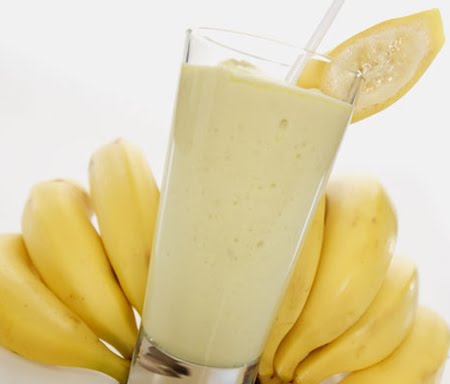
The idea of a simple diet promising rapid weight loss, such as the Banana and Milk Diet, can be very appealing. However, as a phytotherapy specialist, it is my responsibility to analyze such plans through the lens of modern nutritional science and safety. While both bananas and milk are nutritious foods, a diet consisting exclusively of them is highly restrictive and poses significant health risks.
This article will deconstruct the claims of the Banana and Milk Diet, explain its potential dangers, and offer evidence-based, sustainable alternatives for healthy weight management. Furthermore, we will explore how to correctly incorporate these two foods into a balanced eating plan.
⚠️ Major Risk Warning: Dangers of Very-Low-Calorie Diets (VLCDs)
A diet consisting solely of bananas and milk is classified as a Very-Low-Calorie Diet (VLCD), typically providing fewer than 1000 calories per day. Consequently, such restrictive plans should only be undertaken under strict medical supervision. The potential risks are serious and include malnutrition, severe fatigue, electrolyte imbalances, the formation of gallstones, and significant muscle loss.
The “Banana and Milk Diet”: An Outdated and Risky Approach
This diet concept, which dates back to the 1930s, suggests consuming only 2-3 bananas and one cup of skim milk per meal for several days. The premise is to induce rapid weight loss by creating an extreme calorie deficit. However, nutritional science has evolved dramatically over the past century, and this approach is now considered outdated, ineffective for long-term success, and potentially harmful.
Indeed, while you might see a quick drop on the scale, this initial loss is primarily water weight and muscle mass, not fat. This is a critical distinction because muscle tissue is metabolically active and essential for a healthy metabolism.
Why This Restrictive Diet Is Not Recommended
- Severe Nutritional Deficiencies: This combination lacks many essential nutrients required for bodily functions, including iron, zinc, copper, manganese, vitamin C, vitamin K, and essential fatty acids. For instance, a lack of iron can lead to anemia and fatigue.
- Significant Muscle Loss: When the body is starved of adequate calories and protein diversity, it begins to break down muscle tissue for energy. Consequently, this lowers your metabolic rate, making it harder to maintain weight loss in the future.
- Unsustainable Results: Crash diets are notoriously difficult to maintain. Once normal eating resumes, the body, with its now slower metabolism, is prone to rapid regain of the lost weight, often with additional fat. This is commonly known as the “yo-yo” effect.

The Healthy Role of Bananas and Milk in a Balanced Diet
Instead of focusing on a restrictive diet, it is far more beneficial to understand the value these foods bring to a varied and balanced eating plan. Both bananas and milk offer significant nutritional benefits when consumed as part of a whole-foods diet.
Nutritional Benefits of Bananas (Musa spp.)
Bananas are an excellent source of key nutrients. They are particularly rich in potassium, a mineral crucial for regulating blood pressure and heart function. Moreover, their high fiber content aids digestion, promotes a feeling of fullness (satiety), and serves as a prebiotic, feeding beneficial bacteria in your gut.
Nutritional Benefits of Milk
Milk provides high-quality, complete protein containing all essential amino acids necessary for building and repairing tissues, including muscle. It is also a primary source of calcium and is often fortified with vitamin D, both of which are vital for maintaining strong bones and teeth.
Guidelines for Healthy Consumption
Rather than following a restrictive plan, consider incorporating bananas and milk into your diet in a healthy, sustainable way. For example, a smoothie made with one banana, a cup of milk, a scoop of protein powder, and a handful of spinach makes for an excellent post-workout recovery drink or a quick, nutritious breakfast.
Administration Protocol and Safety Limits
- Treatment Duration: This combination should never be used as a sole source of nutrition. There is no safe duration for the “Banana and Milk Diet.”
- Mandatory Break: Not applicable, as the diet itself is not recommended.
- Maximum Daily Dose for Healthy Adult: Within a balanced diet, consuming 1-2 bananas and 2-3 servings of dairy (like milk or yogurt) per day is generally considered safe and healthy for most individuals.
- Timing: A banana and milk combination can be an excellent part of a balanced breakfast (e.g., with oatmeal) or as a snack to stabilize energy levels between meals.
Specific Biological Limitation
The primary biological limitation of the Banana and Milk Diet is its induction of a semi-starvation state. When the body receives drastically insufficient calories, it triggers a survival response. Specifically, the metabolism slows down to conserve energy, and the body begins to catabolize muscle tissue for fuel. This process is counterproductive to sustainable fat loss and overall health, as it weakens the body and makes future weight management more difficult.
Contraindications and Precautions
This restrictive diet is unsafe for nearly everyone, but it poses particular risks for certain individuals.
Absolute Contraindications (FORBIDDEN):
- Lactose Intolerance: Milk contains lactose, which can cause severe digestive distress in intolerant individuals.
- Kidney Disease: Bananas are high in potassium. Individuals with impaired kidney function cannot effectively excrete excess potassium, which can lead to a dangerous condition called hyperkalemia.
- Diabetes: The high sugar content of multiple bananas per day can cause significant blood sugar spikes, making this diet unsuitable for those with diabetes.
- History of Eating Disorders: Highly restrictive diets can trigger or worsen disordered eating patterns.
Vulnerable Populations:
- Pregnancy and Breastfeeding: This diet is severely deficient in the nutrients essential for fetal development and milk production.
- Children and Adolescents: Growing bodies have high nutritional demands that cannot be met by this diet.
- The Elderly: Older adults are at higher risk of muscle loss (sarcopenia), which this diet would accelerate.
Therapeutic Alternatives for Healthy Weight Management
If the Banana and Milk Diet is not suitable, there are several evidence-based, safe, and effective dietary patterns for sustainable weight loss. Always consult a healthcare provider or registered dietitian before starting a new eating plan.
| Dietary Approach | Key Principles and Benefits |
|---|---|
| 1. Mediterranean Diet | Focuses on whole foods like fruits, vegetables, nuts, legumes, whole grains, fish, and olive oil. Research consistently shows it supports weight loss, heart health, and longevity. |
| 2. DASH Diet | The Dietary Approaches to Stop Hypertension (DASH) plan emphasizes nutrient-dense foods and limits sodium. It is effective for both weight loss and blood pressure control. |
| 3. Balanced Calorie-Controlled Diet | This approach involves creating a moderate calorie deficit (e.g., 300-500 calories below daily needs) while ensuring adequate intake of protein, healthy fats, complex carbohydrates, and micronutrients from a variety of food sources. |
Note: Each of these alternatives should be tailored to individual needs and health conditions.
Recent Medical Research (2020-2026)
Modern research continues to reinforce the conclusion that crash diets are ineffective and harmful. For instance, a 2021 meta-analysis published in the journal Nutrients confirmed that gradual weight loss through a balanced, calorie-controlled diet results in better long-term maintenance and preservation of muscle mass compared to rapid weight loss from VLCDs. Furthermore, studies consistently highlight the importance of dietary patterns rich in fiber and protein, like the Mediterranean diet, for improving satiety and supporting a healthy body composition.
Specialist’s Summary
The Banana and Milk Diet is an outdated and nutritionally deficient crash diet that poses significant health risks, including muscle loss and metabolic slowdown. While bananas and milk are healthy foods, they should be consumed as part of a varied and balanced eating plan. For sustainable weight management, evidence-based approaches like the Mediterranean or DASH diets are far safer and more effective. Always consult a healthcare professional before making drastic changes to your diet.
Frequently Asked Questions
1. Can you really lose weight in 4 days on the Banana and Milk Diet?
You may lose some weight, but it will primarily be water and muscle, not fat. This is an unhealthy and unsustainable method that typically leads to rapid weight regain.
2. Is the Banana and Milk Diet safe?
No. It is not considered safe for the general population due to severe nutritional deficiencies, the risk of muscle loss, and potential complications for individuals with pre-existing health conditions like kidney disease or diabetes.
3. What is a better way to use bananas and milk for weight loss?
Incorporate them into a balanced diet. For example, use them to make a satisfying breakfast smoothie with added protein and greens, or have a banana as a snack to curb sugar cravings. This helps you stay full and nourished within a sensible, calorie-controlled eating plan.
Sources and References
- Ashtary-Larky, D., et al. (2021). “Effects of Gradual vs. Rapid Weight Loss on Body Composition and RMR: A Systematic Review and Meta-Analysis.” Nutrients. This study provides evidence on the benefits of gradual weight loss over rapid methods.
- World Health Organization (WHO). “Healthy Diet.” Fact sheet providing guidelines on balanced nutrition for health and disease prevention.
This article is for educational and informational purposes only and is not intended as medical advice, diagnosis, or treatment. The information provided about dietary plans is based on current nutritional science and evidence, which is subject to change.
Before starting any new diet:
- Consult a qualified healthcare provider or registered dietitian, especially if you are pregnant, breastfeeding, taking medications, or have existing health conditions.
- Do not use this information as a substitute for professional medical treatment or a personalized nutrition plan.
- Individual results may vary – a healthy lifestyle is multifaceted and requires a personalized approach.
- Monitor your body’s response to any dietary changes and discontinue if you experience negative symptoms.
Regulatory status: The dietary approaches discussed are for general wellness and are not intended to treat, cure, or prevent any disease.
8 comments
yes..i had that for a few days..it really works..not because i wanted to diet, but due to medical reasons
Hi Elmarie….could you please give me the diet on how much and when i would like 2 try it out thank you so much
Hi , I find your diet very interessting , I will tray it fir sure , I.hope it’s gonna work for me ):
This looks very “faddy” & unhealthy.
Can or be soy or almond milk?
Hi, can you please sent me this eaty drink. I can do with something like this, because I do eat wrong, because time for eating, there is none, to drink something healthy will be much better. Pleaae sent me
hi, can I know does this diet require exercises?
DAIRY products produce mucus in the body….MILK is not a necessity…..DRINK ALMOND MILK OR COCONUT MILK AS AN ALTERNATIVE.