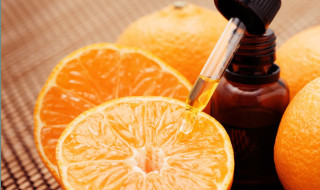
Tangerine essential oil, derived from the peel of the *Citrus reticulata* fruit, is obtained through a cold-compression process. This method effectively preserves its delicate chemical profile, which is rich in volatile compounds. Notably, its primary constituent is d-limonene, often comprising up to 90% of the oil. Furthermore, it contains other significant components such as α-pinene, myrcene, and linalool. These compounds collectively contribute to its characteristic aroma and potential therapeutic properties, including antioxidant, antimicrobial, and anxiolytic (anxiety-reducing) effects observed in preliminary research.
> ⚠️ **WARNING – Risk of Phototoxicity!**
> *Tangerine essential oil contains furanocoumarins, compounds that can cause phototoxic reactions when applied to the skin and subsequently exposed to UV light (sunlight or tanning beds). This reaction can result in severe sunburn, blistering, or skin discoloration. Therefore, you must avoid direct sun exposure on the treated area for at least 12-18 hours after topical application.*

Potential Health Benefits of Tangerine Essential Oil
While research is ongoing, studies suggest that tangerine oil may offer several benefits, primarily through aromatherapy and carefully controlled topical application.
Aromatherapeutic Effects on Mood and Stress
Tangerine oil is highly regarded in aromatherapy for its uplifting and calming scent. Inhaling the aroma may help soothe the nervous system and reduce feelings of stress and anxiety. For instance, some studies on citrus essential oils indicate that their active components, like limonene, can influence neurotransmitter activity, contributing to a more balanced and positive mood. Consequently, many people use it in diffusers to create a relaxing atmosphere, alleviate nervous tension, and promote restful sleep.
Antimicrobial Properties for Minor Topical Use
Laboratory (in vitro) studies have demonstrated that tangerine essential oil possesses antiseptic properties, showing activity against certain strains of bacteria and fungi. This is largely attributed to its high limonene content. As a result, when properly diluted, it may be used as a cleansing agent for minor cuts and scrapes to help prevent infection. However, it is crucial to understand that tangerine oil is not a substitute for medical treatment. It cannot cure serious infections like sepsis, which is a life-threatening medical emergency requiring immediate professional care.
Antioxidant Activity
The compounds in tangerine oil, particularly limonene, exhibit significant antioxidant activity. Antioxidants help neutralize free radicals, which are unstable molecules that can cause oxidative stress and damage cells over time. While the primary benefits of this action are experienced through dietary intake of the fruit, the antioxidant properties of the essential oil may contribute to skin health by protecting it from environmental stressors when used topically in a diluted form.
Support for Digestive Comfort
Traditionally, tangerine oil has been used to support digestive health. Its pleasant aroma can help ease feelings of nausea when inhaled. Additionally, its potential antispasmodic properties may help soothe digestive discomfort when applied topically to the abdomen in a highly diluted massage oil. It is thought to work by relaxing the muscles of the digestive tract, which can help alleviate gas and bloating. Nevertheless, internal use is not recommended without professional guidance.
Administration Protocol and Safety Limits
To ensure safety and efficacy, you must adhere to strict administration protocols when using tangerine essential oil.
| Method | Protocol | Safety Precautions |
|---|---|---|
| Aromatherapy (Inhalation) | Add 3-5 drops to a diffuser. Use in 30-60 minute intervals, followed by a 30-60 minute break. | Ensure good ventilation. Avoid continuous, prolonged diffusion, which may cause headaches or respiratory irritation. |
| Topical Application | Dilute to 1-2% in a carrier oil (e.g., jojoba, almond, coconut). This equates to 6-12 drops of essential oil per 30 ml (1 oz) of carrier oil. | Mandatory: Perform a patch test on a small area of skin 24 hours before full use. Crucially, avoid sun/UV exposure on the treated area for 12-18 hours. |
| Internal Use | Not recommended. Internal consumption of essential oils should only occur under the direct supervision of a healthcare professional trained in clinical aromatherapy. | Improper ingestion can cause mucous membrane irritation, stomach upset, and potential toxicity. |
Specific Biological Limitation
Phototoxicity Mechanism: Tangerine oil contains furanocoumarins, such as bergapten. When these compounds are present on the skin, they absorb high-energy UVA radiation from sunlight. This process generates reactive oxygen species that damage cellular DNA and membranes, leading to an inflammatory reaction that manifests as severe sunburn, blistering, and potential long-term hyperpigmentation (dark spots).
Technical Warning: This risk is not mitigated by sunscreen. The only way to prevent this reaction is to avoid UV exposure on the skin where the oil was applied for the recommended time frame.
Contraindications and Precautions
Absolute Contraindications
- Photosensitive Skin: Individuals with fair skin or a history of photosensitivity should use extreme caution or avoid topical use altogether.
- Sun Exposure: Do not apply to skin that will be exposed to direct sunlight or tanning beds within 12-18 hours.
- Citrus Allergy: Individuals with a known allergy to citrus fruits should not use this oil.
Vulnerable Populations
- Pregnancy and Breastfeeding: Consult a healthcare provider before use. While aromatherapy is generally considered low-risk, topical application should be approached with caution.
- Children: Do not use on children under 2 years of age. For children over 2, use a much lower dilution (0.5-1%) and avoid application on the hands or face.
- Elderly: Individuals with thinner, more sensitive skin should use a lower dilution (1%) to minimize the risk of irritation.
Major Drug Interactions
- Photosensitizing Medications: Using tangerine oil topically alongside medications that increase sun sensitivity can amplify the risk of a phototoxic reaction. Such drugs include certain antibiotics (e.g., tetracyclines, fluoroquinolones), diuretics, and St. John’s Wort.
Documented Adverse Effects
- Common: Skin irritation, redness, or sensitization, especially if used undiluted.
- Severe (Rare): Severe phototoxic burns with blistering and discoloration from UV exposure after application.
When to stop immediately: Discontinue use if you experience any skin rash, irritation, headache, or respiratory discomfort.
Therapeutic Alternatives
If tangerine oil is not suitable for your needs, consider these validated alternatives:
- For Calming and Stress Relief: Lavender oil (*Lavandula angustifolia*) is extensively studied for its anxiolytic effects and is not phototoxic.
- For Digestive Support: Peppermint oil (*Mentha x piperita*) is well-researched for its ability to soothe digestive upset and is often used for symptoms of IBS.
- For Minor Antiseptic Use: Tea Tree oil (*Melaleuca alternifolia*) has broad-spectrum antimicrobial properties and is a standard choice for cleansing minor wounds.
Note: Each alternative has its own distinct safety profile and contraindications.
Recent Medical Research (2020-2026)
Recent scientific inquiry continues to explore the mechanisms behind the benefits of citrus oils.
- A 2023 review published in *Molecules* highlighted the significant antioxidant and antimicrobial potential of essential oils from various *Citrus* species, including tangerine. The research reinforces the role of compounds like limonene in these effects.
- A 2022 study in the *Journal of Ethnopharmacology* investigated the effects of *Citrus reticulata* essential oil on mice, finding that it produced anxiolytic-like effects, which supports its traditional use in aromatherapy for anxiety and stress.
Current Limitations: Most research has been conducted in vitro or on animal models. More robust human clinical trials are needed to confirm these effects and establish standardized therapeutic dosages.
Specialist’s Summary
Tangerine essential oil is primarily valued in aromatherapy for its potential to reduce anxiety and elevate mood, with moderate effects. Its main component, limonene, provides antioxidant and mild antimicrobial properties suitable for minor topical applications when properly diluted. However, it is strictly contraindicated for use on skin before sun exposure due to a significant risk of phototoxicity. Validated alternatives include Lavender oil for anxiety and Tea Tree oil for antiseptic purposes.
Frequently Asked Questions
Can I put tangerine oil directly on my skin?
No. You should never apply undiluted tangerine oil to your skin, as this can cause severe irritation. Always dilute it to a 1-2% concentration in a carrier oil like jojoba or almond oil. Most importantly, you must avoid sun exposure on the treated area for at least 12 hours to prevent a phototoxic reaction.
Is it safe to ingest tangerine oil?
Internal use of tangerine oil is generally not recommended. Essential oils are highly concentrated and can irritate the sensitive mucous membranes of the digestive tract. Ingestion should only be considered under the strict guidance of a healthcare professional with advanced training in aromatherapy.
What is the main benefit of tangerine oil in aromatherapy?
The primary and most well-supported benefit of tangerine oil in aromatherapy is its effect on mood. Its sweet, citrusy aroma is widely used to create an uplifting and calming atmosphere, helping to reduce feelings of stress, anxiety, and nervous tension.
Sources and References
Recent Studies (2020-2026):
- Kamal, Z. M., et al. (2022). Anxiolytic-like effect of the essential oil from the leaves of Citrus reticulata (Rutaceae) in male mice. Journal of Ethnopharmacology, 287, 114953. https://doi.org/10.1016/j.jep.2021.114953
- Zou, Z., et al. (2023). Essential Oils of Citrus spp. as a Source of Bioactive Compounds with Health-Protective Properties: A Review. Molecules, 28(4), 1946. https://doi.org/10.3390/molecules28041946
Official Monographs:
While specific monographs for tangerine oil are limited, information on its primary component, limonene, is available from regulatory bodies. For general safety information on essential oils, consult resources from organizations like the Alliance of International Aromatherapists (AIA) or the National Association for Holistic Aromatherapy (NAHA).