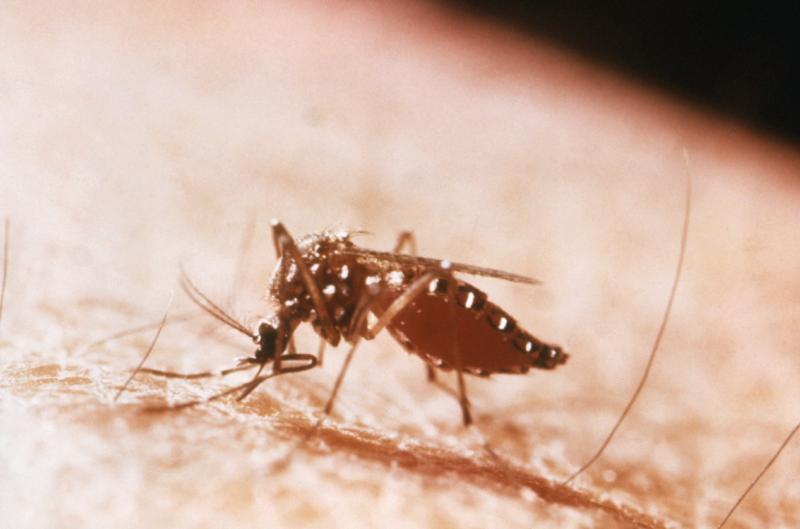
Yellow fever is a serious, mosquito-borne viral disease. Its name originates from one of its most characteristic signs: jaundice, a yellowing of the skin and the whites of the eyes, which indicates liver damage. Furthermore, the condition is marked by a sudden high fever. The severity and type of symptoms can vary significantly depending on the stage of the illness and the individual’s response.
This article is for informational purposes only. Yellow fever is a medical emergency that requires immediate professional medical attention. Natural remedies cannot cure this disease and should never be used as a substitute for hospital-based care.

It is absolutely crucial to seek emergency medical care as soon as symptoms appear, especially if you have recently been in a region where yellow fever is prevalent. If left untreated, the virus can cause severe damage to vital organs, including the liver, kidneys, and heart, potentially leading to multi-organ failure and death.
Understanding Yellow Fever: Causes and Transmission
Yellow fever is caused by a flavivirus, which is transmitted to humans primarily through the bite of infected mosquitoes, such as the Aedes aegypti species. When a mosquito bites an infected human or primate, it ingests the virus. Consequently, the mosquito becomes a carrier, spreading the virus to the next person it bites. This cycle can lead to epidemics in unvaccinated populations, particularly in tropical and subtropical regions of Africa and South America.
Importantly, yellow fever is not contagious through casual person-to-person contact. The virus can only be transmitted through the bite of an infected mosquito or, in very rare instances, through exposure to infected blood.
Symptoms and Phases of the Disease
The progression of yellow fever is typically divided into distinct phases. After infection, there is an incubation period of 3 to 6 days before symptoms manifest.
- Initial (Acute) Phase: This stage presents with symptoms that can be easily mistaken for influenza. For instance, patients often experience sudden fever, chills, severe headache, back pain, general muscle aches, nausea, and fatigue. This phase typically lasts for 3 to 4 days.
- Remission: Following the acute phase, most patients improve, and their symptoms disappear. Many will make a full recovery at this point.
- Toxic Phase: However, according to the World Health Organization (WHO), approximately 15% of patients enter a second, more dangerous phase within 24 hours of the initial remission. In this toxic phase, the high fever returns, and the virus begins to attack major organs. Symptoms include jaundice, severe abdominal pain with vomiting (sometimes containing blood), bleeding from the nose, mouth, and eyes, and decreased urination as the kidneys begin to fail.
The Critical Role of Conventional Medical Treatment
There is currently no specific antiviral medication that can cure yellow fever. Therefore, medical treatment is entirely supportive and focuses on managing symptoms and preventing complications in a hospital setting. This includes:
- Hydration and Nutrition: Providing fluids and electrolytes, often intravenously (IV), to prevent dehydration from fever and vomiting.
- Fever and Pain Management: Using medications like acetaminophen (paracetamol) to reduce fever and alleviate pain.
- Organ Support: Monitoring and supporting liver and kidney function. In severe cases, dialysis may be necessary.
- Blood Transfusions: Administering blood products to patients experiencing severe bleeding.
Crucially, non-steroidal anti-inflammatory drugs (NSAIDs) such as aspirin, ibuprofen, and naproxen must be avoided, as they can increase the risk of bleeding.
Supportive Phytotherapy: A Cautious Approach Under Medical Supervision
While no herb can treat or cure yellow fever, some gentle botanicals may be used for mild symptom support—only with a doctor’s approval and as part of a comprehensive hospital treatment plan. Their primary role is to support hydration and comfort, not to fight the virus.
The remedies mentioned in popular but unverified sources, such as cayenne pepper, garlic, or fenugreek, lack scientific evidence for this condition and are inappropriate for a life-threatening illness. Instead, a focus on safe hydration is paramount.
Gentle Herbal Infusions for Hydration
Maintaining hydration is critical. Mild herbal infusions can make fluid intake more palatable than plain water.
- Lemon Balm (Melissa officinalis): Traditionally used for its calming effects and mild fever-reducing properties, a weak tea can be soothing.
- Peppermint (Mentha piperita): May help soothe nausea and provides a cooling sensation, making it a refreshing hydration aid.
- Elderflower (Sambucus nigra): A traditional diaphoretic, meaning it may help promote perspiration to gently support the body’s fever response. Its use must be cleared by a physician.
Administration Protocol and Safety Limits (for Supportive Infusions)
Treatment Duration
- Usage Period: Only for the duration of the illness while under constant medical supervision.
- Purpose: For hydration support, not as a standalone treatment.
Quantity and Maximum Dose
- Maximum Daily Dose: Up to 1.5 liters of a weak, well-diluted herbal infusion per day for a healthy adult, as part of the total fluid intake recommended by the medical team.
- Preparation: Use 1 teaspoon of dried herb per 1 liter of hot water, steeped for 5-10 minutes and strained. Serve lukewarm or cool.
- Overdose Risk: Excessive consumption of any fluid can lead to electrolyte imbalances. Always follow the guidance of healthcare professionals.
Administration Condition
- Timing: Sipped slowly throughout the day to ensure consistent hydration.
- Incompatibilities: Do not combine with any medications without explicit medical approval. Discontinue immediately if any adverse reaction occurs.
Specific Biological Limitation
The yellow fever flavivirus exhibits tropism for hepatocytes (liver cells) and renal cells. It replicates within these cells, causing cellular damage, inflammation, and necrosis, which leads to liver and kidney failure. No herbal remedy has been clinically proven to block this viral replication cycle or prevent organ damage in an active yellow fever infection. The primary biological limitation is that phytotherapy cannot stop the underlying viral pathology; it can only offer mild, symptomatic support.
Contraindications and Precautions
Absolute Contraindications (Herbs to AVOID)
During an active yellow fever infection, it is critical to avoid any substance that could worsen the condition, particularly those that affect blood clotting or stress the liver.
- Herbs with Anti-coagulant/Anti-platelet Effects: Garlic, Ginger, Ginkgo biloba, Turmeric, and Willow Bark can increase bleeding risk and are strictly contraindicated.
- Potentially Hepatotoxic Herbs: Any herb known to be harsh on the liver, such as Comfrey, Kava, or Chaparral, must be avoided.
Vulnerable Populations
- Pregnancy and Breastfeeding: Yellow fever is extremely dangerous during pregnancy. Any supportive care must be managed by specialists in a hospital.
- Children: Dosing and safety for children must be determined exclusively by a pediatric medical team.
Therapeutic Alternatives
Given the severity of yellow fever, the concept of “alternatives” must be approached with extreme caution.
- Prevention (The Best Alternative): The most effective way to manage yellow fever is to prevent it. The yellow fever vaccine is safe, affordable, and highly effective, providing lifelong protection for most people after a single dose.
- Conventional Supportive Care: For an active infection, the only validated “alternative” to unproven remedies is comprehensive, hospital-based supportive care, including IV fluids, electrolyte management, and vital sign monitoring.
Recent Medical Research (2020-2026)
Research continues to focus on developing effective antiviral drugs against flaviviruses, including yellow fever. A 2022 review published in the journal Viruses highlighted the ongoing search for direct-acting antivirals that can inhibit viral replication. However, as of now, these are still in preclinical or early clinical trial stages and are not available for general use. The scientific consensus remains that vaccination is the cornerstone of control, and hospital-based supportive care is the only viable management strategy for infected individuals.
Specialist’s Summary
Yellow fever is a severe viral illness for which there is no cure, making prevention through vaccination paramount. Treatment is supportive, hospital-based, and focused on managing symptoms like dehydration and organ failure. While gentle herbal infusions such as Lemon Balm or Peppermint may aid hydration under strict medical supervision, they cannot treat the disease. It is critical to avoid any herbs that increase bleeding risk or stress the liver. The only proven “treatment” is prevention.
Frequently Asked Questions
1. Can yellow fever be treated at home with natural remedies?
Absolutely not. Yellow fever is a medical emergency that can rapidly progress to a life-threatening stage. Home treatment is dangerous and inappropriate. You must seek immediate hospital care.
2. What is the most effective way to prevent yellow fever?
Vaccination is the single most effective method of prevention. The vaccine provides long-lasting, often lifelong, immunity. Avoiding mosquito bites by using insect repellent and wearing protective clothing is also crucial in endemic areas.
3. Are there any herbs that can cure yellow fever?
No. There is no scientific evidence that any herb, supplement, or natural remedy can cure yellow fever or eliminate the virus from the body. Claims of such cures are unsubstantiated and dangerous.
4. Is it safe to take aspirin or ibuprofen for the fever and muscle aches?
No. NSAIDs like aspirin and ibuprofen can increase the risk of bleeding, a major complication in the toxic phase of yellow fever. Only fever reducers approved by your doctor, such as acetaminophen, should be used.
Sources and References
- World Health Organization (WHO). (2023). Yellow Fever Fact Sheet. https://www.who.int/news-room/fact-sheets/detail/yellow-fever
- Centers for Disease Control and Prevention (CDC). (2021). Yellow Fever Transmission. https://www.cdc.gov/yellowfever/transmission/index.html
- Auguste, A. J., & Carrington, C. V. F. (2022). Yellow Fever Virus: A Scourge That Is Here to Stay. Viruses, 14(10), 2162. https://www.mdpi.com/1999-4915/14/10/2162
⚠️ Important Medical Information
This article is for educational and informational purposes only and is not intended as medical advice, diagnosis, or treatment. The information provided about supportive care for Yellow Fever is based on general safety principles and traditional use for mild symptoms, not as a treatment for the disease itself.
If you suspect you have Yellow Fever:
- Seek immediate emergency medical care. This is a life-threatening condition.
- Do not use this information as a substitute for professional medical treatment in a hospital.
- Always inform your medical team about any herbs or supplements you have taken.
- Follow the prevention guidelines from public health authorities, including vaccination, before traveling to at-risk areas.