This article is for informational purposes only and does not constitute medical advice. Herbal remedies should never be used as a substitute for conventional cancer treatments prescribed by an oncologist. Always consult with your healthcare team before starting any new supplement.
Receiving a bone cancer diagnosis is a profound challenge, and the primary treatment path involves specialized medical care, including chemotherapy, radiation, and surgery. However, many patients and their families explore integrative oncology, which combines conventional treatments with evidence-informed complementary therapies to manage side effects and improve quality of life. Consequently, certain herbs have been studied for their potential supportive roles during this difficult journey.
It is crucial to understand that no herb can treat or cure bone cancer. Instead, the focus of phytotherapy in this context is on supporting the body’s resilience, mitigating the side effects of treatment, and promoting overall well-being under strict medical supervision. This guide examines the scientific evidence for several herbs used in an adjunctive capacity.

Understanding the Role of Supportive Herbs in Oncology
In the context of cancer care, herbs are not used to attack cancer cells directly. Rather, their potential benefits lie in other mechanisms. For instance, some may help protect healthy cells from the collateral damage of chemotherapy, while others can modulate inflammation or support the immune system. Importantly, any herb used must be approved by your oncologist, as some can interfere with the efficacy of cancer treatments.
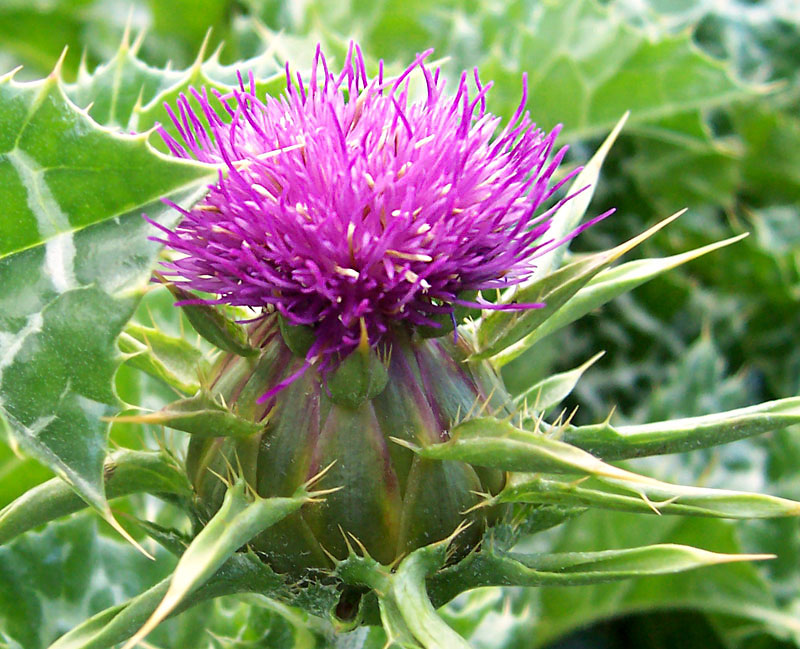
1. Milk Thistle (Silybum marianum) for Liver Support
Chemotherapy drugs are powerful but can be taxing on the liver, which is responsible for processing them. Milk thistle, specifically its active compound complex silymarin, is one of the most well-researched herbs for liver health.
Mechanism of Action: Research published in journals like Phytotherapy Research suggests that silymarin has hepatoprotective properties. It acts as an antioxidant, scavenging free radicals that can damage liver cells. Furthermore, it may support the liver’s natural detoxification pathways, which is particularly relevant for patients undergoing intensive chemotherapy.
Clinical Context: Some clinical observations indicate that using milk thistle extract under medical guidance may help maintain stable liver enzyme levels during treatment, potentially allowing patients to better tolerate their prescribed chemotherapy regimens.
2. Turmeric (Curcuma longa) for Inflammation Modulation
Chronic inflammation is a known factor in the progression of many diseases, including cancer. Curcumin, the primary active compound in turmeric, is a potent anti-inflammatory agent that has been the subject of extensive scientific investigation.
Mechanism of Action: Curcumin works by inhibiting several key inflammatory molecules in the body, such as NF-κB. According to a 2022 meta-analysis in the Journal of Medicinal Food, this action may help create a less favorable environment for cancer progression and reduce treatment-related inflammation. However, this is a supportive role and not a direct treatment.
Important Note: Curcumin has poor bioavailability. Therefore, for therapeutic consideration, it is often formulated with piperine (from black pepper) or as a phytosome to enhance absorption. Its use must be discussed with a doctor due to its blood-thinning properties.
3. Reishi Mushroom (Ganoderma lucidum) for Immune and Energy Support
Often called the “mushroom of immortality” in traditional Chinese medicine, Reishi is classified as an adaptogen—a substance that helps the body adapt to stress. Cancer and its treatments are significant sources of physical and psychological stress.
Mechanism of Action: Studies indicate that polysaccharides and triterpenes in Reishi may help modulate the immune system. A review in Cochrane Database of Systematic Reviews noted that patients given Reishi alongside chemo/radiotherapy were more likely to respond positively compared to chemo/radiotherapy alone. It may also help combat the profound fatigue that often accompanies cancer treatment.
Clinical Context: In integrative oncology, Reishi is sometimes used to improve quality of life, boost energy levels, and support immune function, but never as a standalone cancer therapy.
4. Green Tea (Camellia sinensis) for Antioxidant Protection
Green tea is rich in polyphenols, particularly epigallocatechin-3-gallate (EGCG), a powerful antioxidant. Antioxidants help neutralize oxidative stress, a form of cellular damage implicated in cancer development and exacerbated by some treatments.
Mechanism of Action: Laboratory studies have shown that EGCG can influence cellular signaling pathways involved in cell growth and apoptosis (programmed cell death). While this is promising, it is critical to note that these *in vitro* results do not translate to a cure in humans. Its primary supportive role is providing antioxidant support to healthy tissues.
Usage Note: Concentrated green tea extracts can be hepatotoxic in high doses. Therefore, consuming moderate amounts of brewed green tea is generally considered safer than taking high-dose supplements.
Administration Protocol and Safety Limits
The following are general guidelines based on clinical studies. Your oncologist’s advice supersedes any information provided here.
| Herb | Typical Supportive Dosage Range | Safety Considerations |
|---|---|---|
| Milk Thistle (standardized to 80% silymarin) | 200-400 mg, 2-3 times daily with meals. | Use should be cyclical (e.g., 4 weeks on, 1 week off). May have a mild laxative effect. |
| Turmeric (high-bioavailability curcumin) | 500-1,000 mg, 1-2 times daily with a meal containing fat. | Maximum daily dose: Do not exceed 2,000 mg of a high-quality extract. Stop use 2 weeks before any surgery. |
| Reishi Mushroom (standardized extract) | 1,000-1,500 mg daily, divided into 2 doses. | Best taken on an empty stomach for absorption. Continuous use should not exceed 3 months without a break. |
| Green Tea (brewed) | 2-3 cups of high-quality brewed tea per day. | Avoid high-dose concentrated extracts. Consume between meals to avoid interfering with iron absorption. |
Specific Biological Limitation
Antioxidant Interference: A significant concern in oncology is that high-dose antioxidant supplements (like concentrated vitamins C or E, or potent herbal extracts) might interfere with the efficacy of chemotherapy and radiation. These treatments work partly by creating oxidative stress to destroy cancer cells. Consequently, taking potent antioxidants at the wrong time could theoretically protect the cancer cells. For this reason, it is absolutely essential to coordinate the use of any supplement with your oncology team’s treatment schedule.
Contraindications and Precautions
Absolute Contraindications (FORBIDDEN without oncologist approval):
- During Active Chemotherapy/Radiation: Do not introduce new supplements without explicit clearance, due to the risk of interference.
- Hormone-Sensitive Cancers: Some herbs can have mild hormonal effects. Their use is contraindicated in cancers sensitive to hormones without specialist consultation.
- Blood Thinners (e.g., Warfarin): Turmeric and Reishi have anticoagulant properties and can increase bleeding risk when combined with these medications.
Vulnerable Populations:
- Pregnancy and Breastfeeding: The use of these herbal supplements is not recommended due to a lack of safety data.
- Children: Dosages must be determined by a pediatric oncologist and should never be self-prescribed.
When to Stop Immediately: Discontinue use and contact your doctor if you experience any unusual symptoms, such as skin rash, digestive upset, or signs of an allergic reaction.
Therapeutic Alternatives
If the herbs above are not suitable, your healthcare provider might discuss other evidence-informed supportive options:
- Astragalus (Astragalus membranaceus): A traditional Chinese herb studied for its potential to support the immune system and reduce chemotherapy-induced side effects like nausea and fatigue. It appears to work by enhancing the activity of certain immune cells.
- Ginger (Zingiber officinale): Widely recognized and clinically studied for its effectiveness in managing chemotherapy-induced nausea and vomiting. It is often recommended in the form of tea or capsules.
- American Ginseng (Panax quinquefolius): Clinical trials, including those from the Mayo Clinic, have shown that American ginseng may be effective in combating cancer-related fatigue, a persistent and debilitating side effect of treatment.
Recent Medical Research (2020-2026)
Modern research continues to explore the precise roles of these natural compounds in an integrative oncology setting.
- A 2023 review on silymarin (from Milk Thistle) highlighted its multi-faceted role in protecting the liver, noting its potential to reduce chemotherapy-associated hepatotoxicity.
- Research published in 2024 continues to investigate nano-formulations of curcumin (from Turmeric) to improve its delivery to target tissues, though this remains in the experimental phase.
- Meta-analyses on Ganoderma lucidum (Reishi) consistently point towards its benefits for quality of life and immune modulation rather than direct anti-tumor effects in humans.
Current Limitations: The primary limitation is the lack of large-scale, long-term human clinical trials for many herbs specifically in bone cancer populations. Most evidence is derived from laboratory studies or trials involving other cancer types.
Specialist’s Summary
Herbs like Milk Thistle, Turmeric, and Reishi may offer valuable supportive care for patients undergoing bone cancer treatment by protecting the liver, modulating inflammation, and combating fatigue. However, their effects are adjunctive, not curative. They are strongly contraindicated for self-prescription due to potentially severe interactions with chemotherapy and other medications. Always prioritize open communication with your oncology team before considering any herbal supplement.
Frequently Asked Questions
1. Can any herb cure bone cancer?
No. There is no scientific evidence that any herb or natural remedy can cure bone cancer. These claims are dangerous and false. Conventional medical treatment is essential.
2. Can I take these herbs with my chemotherapy?
You must ask your oncologist. Some herbs can interfere with how chemotherapy drugs work, either making them less effective or increasing their toxicity. Timing and dosage are critical and require professional medical guidance.
3. Are “natural” herbs always safe?
No. “Natural” does not mean “safe.” Many plants contain powerful bioactive compounds that can cause side effects, trigger allergic reactions, or interact dangerously with prescription medications. For example, Comfrey (Symphytum officinale), sometimes mistakenly recommended, contains liver-toxic alkaloids and should never be ingested.
4. Is it safe for children with bone cancer to use these herbs?
No, not without the explicit direction and supervision of a pediatric oncologist. Children metabolize substances differently, and their treatment protocols are highly sensitive. Self-prescribing herbs for a child with cancer is extremely dangerous.
Sources and References
- Abenavoli, L., Izzo, A. A., Milić, N., Cicala, C., Santini, A., & Capasso, R. (2018). Milk thistle (Silybum marianum): a concise overview on its chemistry, pharmacological, and nutraceutical uses in liver diseases. Phytotherapy research, 32(11), 2202–2213.
- Jin, X., Ruiz Beguerie, J., Sze, D. M., & Chan, G. C. (2016). Ganoderma lucidum (Reishi mushroom) for cancer treatment. Cochrane Database of Systematic Reviews.
- Barton, D. L., Liu, H., Dakhil, S. R., et al. (2013). Wisconsin Ginseng (Panax quinquefolius) to improve cancer-related fatigue: a randomized, double-blind trial, N07C2. Journal of the National Cancer Institute, 105(16), 1230–1238.
- Garg, S., Singh, H., Singh, M., & Sharma, R. (2022). Curcumin: A Natural Arsenal for Cancer Management. Journal of Medicinal Food, 25(10), 927-940.
⚠️ Important Medical Information
This article is for educational and informational purposes only and is not intended as medical advice, diagnosis, or treatment. The information provided about supportive herbs in cancer care is based on preliminary research and available scientific evidence, which may be limited.
Before using any herbal product:
- Consult your oncologist and a qualified healthcare provider. This is non-negotiable, especially if you are undergoing active treatment, taking medications, or have existing health conditions.
- Do not use as a substitute for prescribed medications or professional medical treatment for cancer.
- Individual results may vary, and safety depends on your specific health profile and treatment plan.
- Monitor for adverse reactions and discontinue use immediately if negative symptoms occur, informing your doctor right away.