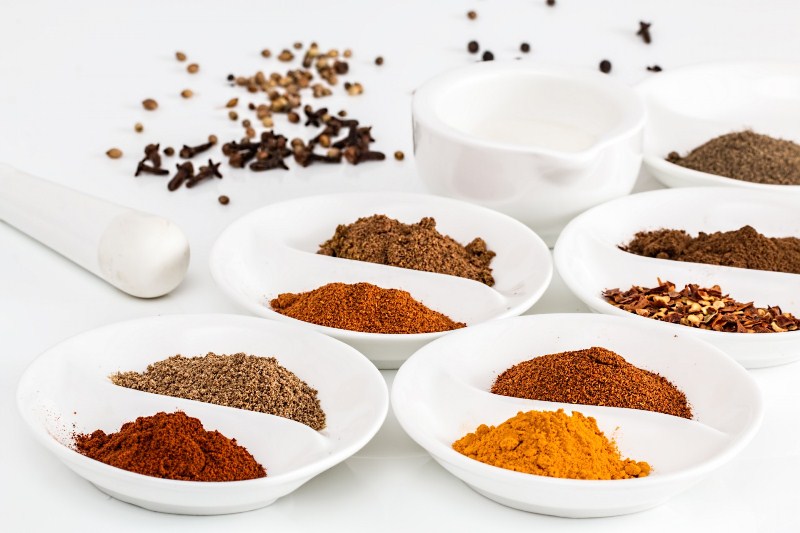
3 Spices for Weight Management: A Science-Based Safety Guide
Achieving and maintaining a healthy weight is a complex process that involves a balanced diet, regular physical activity, and sustainable lifestyle habits. While no single ingredient offers a miraculous solution, certain culinary spices, when used appropriately, may offer metabolic support. However, it is crucial to understand their mechanisms, evidence-based benefits, and safety profiles before incorporating them into your wellness routine.
This article provides a phytotherapy specialist’s perspective on three common spices—cayenne, cinnamon, and turmeric—exploring their potential role in weight management. Importantly, this information is for educational purposes and is not a substitute for a comprehensive plan developed with a healthcare provider.

The Science Behind Spices and Metabolism
The interest in spices for weight management stems from their bioactive compounds, which can influence various physiological pathways related to metabolism, appetite, and fat storage. For instance, some compounds may induce thermogenesis, a process where the body burns calories to produce heat. Others can impact insulin sensitivity and inflammation, both of which are closely linked to metabolic health.
1. Cayenne Pepper (Capsicum annuum)
Cayenne pepper’s fiery heat comes from its primary active compound, capsaicin. Research suggests capsaicin may support weight management through several mechanisms.
- Thermogenesis and Energy Expenditure: Capsaicin is known to activate the TRPV1 receptor, which can slightly increase metabolic rate and promote fat oxidation (the burning of fat for energy). A 2022 meta-analysis published in Advances in Nutrition confirmed that capsaicinoid intake can modestly increase energy expenditure and fat oxidation.
- Appetite Regulation: Furthermore, some clinical observations indicate that consuming capsaicin can enhance feelings of satiety and reduce overall calorie intake, potentially by influencing appetite-regulating hormones.
Practical Use: Adding a pinch of cayenne pepper to meals like eggs, soups, or lean protein can be a simple way to incorporate it. However, its effects are modest and most effective as part of a calorie-controlled diet.
2. Cinnamon (Cinnamomum spp.)
Traditionally used for centuries in both culinary and medicinal contexts, cinnamon contains compounds like cinnamaldehyde that are relevant to metabolic health.
- Blood Sugar Regulation: Cinnamon’s most studied benefit is its potential to improve insulin sensitivity and help regulate blood glucose levels. By mitigating sharp spikes and crashes in blood sugar, it may help control cravings for sugary foods and reduce the likelihood of excess glucose being stored as fat.
- Metabolic Effects: Additionally, emerging research indicates that cinnamaldehyde may directly act on fat cells (adipocytes), encouraging them to burn energy through thermogenesis.
Practical Use: Sprinkling cinnamon on oatmeal, yogurt, or in coffee is a common method. It is crucial to distinguish between Cassia cinnamon (higher in coumarin) and Ceylon (“true”) cinnamon (lower in coumarin). For regular use, Ceylon cinnamon is the safer choice.
3. Turmeric (Curcuma longa)
The vibrant yellow spice turmeric owes its therapeutic properties to curcumin, a potent anti-inflammatory compound.
- Anti-Inflammatory Action: Chronic low-grade inflammation is a key factor in the development and progression of obesity and metabolic syndrome. According to a 2021 review in the journal Nutrients, curcumin’s ability to modulate inflammatory pathways may help improve metabolic health.
- Inhibition of Fat Tissue Growth: Moreover, preclinical studies suggest that curcumin may inhibit adipogenesis—the process of forming new fat tissue. While human studies are ongoing, this mechanism presents a promising area of research.
Practical Use: Turmeric is a staple in curries but can also be added to smoothies, golden milk, or roasted vegetables. For better absorption, it should be consumed with a source of black pepper (piperine) and a healthy fat.
Administration Protocol and Safety Limits
While these spices are generally safe in culinary amounts, concentrated supplement forms require strict adherence to safety protocols. Exceeding recommended doses can lead to adverse effects.
| Spice/Compound | Maximum Daily Dose (Supplements) | Treatment Duration & Breaks |
|---|---|---|
| Cayenne (Capsaicin) | 2-6 mg of capsaicinoids per day, divided into doses. Always take with food to minimize gastric irritation. | Up to 12 weeks, followed by a mandatory 2-week break. |
| Cinnamon (Ceylon) | 1-2 grams of Ceylon cinnamon powder. Avoid high doses of Cassia cinnamon due to coumarin content. | Generally safe for long-term culinary use. For supplements, use in cycles of 3 months on, 1 month off. |
| Turmeric (Curcumin) | 500-2,000 mg of a standardized curcumin extract (often with piperine) per day. Take with a meal containing fat. | Up to 8-12 weeks for higher doses, followed by a 4-week break. |
Specific Biological Limitation
Each spice has unique properties that can pose risks for certain individuals.
- Cayenne Pepper: Capsaicin directly stimulates pain and heat receptors (TRPV1). While this triggers thermogenesis, it can also severely irritate the gastrointestinal lining, making it dangerous for individuals with ulcers, GERD, or Irritable Bowel Syndrome (IBS).
- Cinnamon: Cassia cinnamon contains significant amounts of coumarin, a compound that can be toxic to the liver in high doses or with prolonged use. Therefore, individuals with pre-existing liver conditions must avoid Cassia cinnamon supplements and opt for Ceylon cinnamon.
- Turmeric: Curcumin has very low bioavailability on its own. It is often formulated with piperine (from black pepper) to enhance absorption. However, piperine also inhibits drug-metabolizing enzymes, which can dangerously increase the concentration of various medications in the blood.
Contraindications and Precautions
It is essential to consult a healthcare provider before using these spices in therapeutic doses, especially if you have underlying health conditions or take medication.
Absolute Contraindications
- Cayenne: Do not use in supplement form if you have active gastric ulcers, GERD, or IBS. Avoid if allergic to peppers.
- Cinnamon (Cassia): Forbidden for individuals with liver disease or elevated liver enzymes.
- Turmeric: Contraindicated for people with bile duct obstruction, gallstones, or bleeding disorders. Discontinue use at least two weeks before any scheduled surgery.
Major Drug Interactions
- Blood Thinners (e.g., Warfarin, Aspirin): Both cayenne and turmeric have mild anticoagulant properties and can increase the risk of bleeding when combined with these drugs.
- Diabetes Medications: Cinnamon can lower blood sugar. Combining it with antidiabetic drugs may cause hypoglycemia (dangerously low blood sugar). Blood glucose levels must be monitored closely.
- Stomach Acid Reducers: Cayenne pepper can interfere with the effectiveness of medications like antacids and proton pump inhibitors.
Therapeutic Alternatives
If these spices are not suitable for you, other evidence-based botanicals may offer metabolic support through different mechanisms:
- Green Tea Extract (EGCG): Rich in catechins, particularly epigallocatechin gallate (EGCG), green tea has been shown to enhance fat oxidation and thermogenesis. It works differently from capsaicin and is a well-researched option for metabolic support.
- Glucomannan: This is a soluble, viscous fiber derived from the root of the konjac plant. It works by absorbing water in the stomach and intestines, promoting a feeling of fullness and reducing overall calorie absorption. This is a physical mechanism of action, not a metabolic one.
- Berberine: A bioactive compound extracted from several plants, berberine activates an enzyme called AMPK, which is a master regulator of metabolism. Its effects on blood sugar and lipid metabolism are so significant that it is often compared to metformin.
Recent Medical Research (2020-2026)
Modern research continues to validate and refine our understanding of these spices.
- A 2021 systematic review on curcumin found that it significantly reduced BMI, weight, and waist circumference, particularly in studies lasting longer than eight weeks and with doses of 1,000 mg/day or more.
- Research published in the Journal of the American College of Nutrition in 2022 highlighted cinnamon’s role in improving glycemic control in individuals with prediabetes, reinforcing its value in a preventative metabolic health strategy.
Current Limitations: Despite promising results, many studies are short-term, and the observed weight loss is typically modest. Spices are best viewed as adjuvants to, not replacements for, foundational lifestyle changes.
Specialist’s Summary
Cayenne, cinnamon, and turmeric may offer modest support for weight management by influencing thermogenesis, blood sugar regulation, and inflammation. Their effects are most pronounced when integrated into a healthy lifestyle. However, they are contraindicated in specific conditions like liver disease (Cassia cinnamon) or bleeding disorders (turmeric) and can interact with medications for diabetes and blood thinning. Validated alternatives with different mechanisms include Green Tea Extract and Glucomannan.
Frequently Asked Questions
1. Can I lose weight just by adding these spices to my diet?
No. Spices alone are not sufficient to cause significant weight loss. They can only provide a minor supportive effect within a comprehensive plan that includes a calorie-deficit diet and regular exercise.
2. Which type of cinnamon is best and safest for daily use?
Ceylon cinnamon (“true cinnamon”) is the safest choice for regular consumption because it contains negligible amounts of coumarin, a compound that can be harmful to the liver. Cassia cinnamon, the more common variety, should be used sparingly.
3. How much turmeric should I take for weight management?
While culinary amounts are safe, therapeutic doses typically range from 500 to 2,000 mg of a standardized curcumin extract per day. Always choose a product formulated with piperine or another bioavailability enhancer and consult a healthcare provider to determine the right dose for you.
4. Are these spices safe during pregnancy or for children?
No. In supplement form, these spices are generally not recommended for children or during pregnancy and breastfeeding due to a lack of safety data and potential risks (e.g., high-dose cinnamon can have uterine-stimulating effects).
Sources and References
- Akbari, M., Lankarani, K. B., Tabrizi, R., Ghayour-Mobarhan, M., Peymani, P., Ferns, G., Ghaderi, A., & Asemi, Z. (2021). The Effects of Curcumin on Weight Loss Among Patients With Metabolic Syndrome and Related Disorders: A Systematic Review and Meta-Analysis of Randomized Controlled Trials. Frontiers in pharmacology, 10, 649.
- Whiting, S., Derbyshire, E., & Tiwari, B. K. (2022). Capsaicinoids and capsinoids. A potential role for weight management? A systematic review of the evidence. Advances in Nutrition, 13(5), 1545–1562.
- Santos, H. O., & da Silva, G. A. R. (2020). To what extent does cinnamon administration improve the glycemic and lipid profiles? Clinical Nutrition ESPEN, 39, 1–9.
⚠️ Important Medical Information
This article is for educational and informational purposes only and is not intended as medical advice, diagnosis, or treatment. The information provided about Cayenne, Cinnamon, and Turmeric is based on traditional use, preliminary research, and available scientific evidence, which may be limited.
Before using these spices in therapeutic amounts:
- Consult a qualified healthcare provider, especially if you are pregnant, breastfeeding, taking medications, or have existing health conditions like liver disease, GERD, or bleeding disorders.
- Do not use as a substitute for prescribed medications or a comprehensive weight management plan.
- Individual results may vary – what works for one person may not work for another.
- Monitor for adverse reactions and discontinue use if negative symptoms occur.