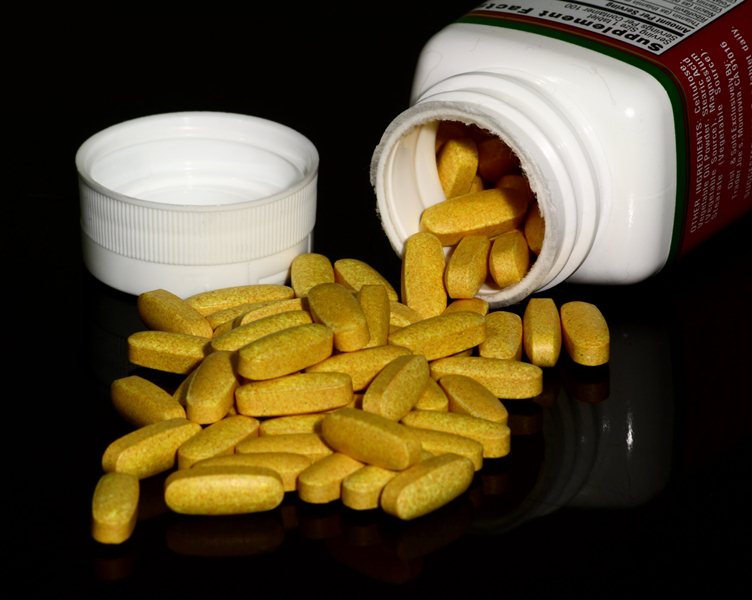
Recent discussions in health and wellness have increasingly focused on the role of essential nutrients in disease prevention. Among these, Vitamin D has garnered significant attention for its potential connection to cancer risk. While it is not a cure or a guaranteed preventative measure, a growing body of scientific evidence suggests that maintaining adequate levels of this crucial vitamin may play a supportive role in overall health and potentially influence cancer development.
This article provides an evidence-based overview of the relationship between Vitamin D and cancer, explains its broader health benefits, and outlines clear safety protocols for its use, adhering to principles of phytotherapy and clinical nutrition.

### The Scientific Link Between Vitamin D and Cancer
For decades, researchers have investigated the connection between Vitamin D levels and cancer incidence. Indeed, numerous epidemiological studies have observed that populations with higher sun exposure and, consequently, higher Vitamin D levels, tend to have lower rates of certain cancers.
Proposed Mechanisms of Action:
Scientists believe Vitamin D may influence cancer risk through several biological pathways. For instance, its active form, calcitriol, has been shown in laboratory studies to:
- Inhibit Angiogenesis: It may help slow the formation of new blood vessels that tumors need to grow.
- Promote Apoptosis: It can encourage the natural process of “cell suicide” in cancerous cells.
- Reduce Cell Proliferation: It appears to slow the rapid division and growth of cancer cells.
- Enhance Cell Differentiation: It helps cells mature into specific types, a process that is often disrupted in cancer.
According to a large-scale clinical trial known as VITAL (Vitamin D and Omega-3 Trial), published in the *New England Journal of Medicine*, general Vitamin D supplementation did not significantly reduce the overall incidence of cancer in a diverse population. However, further analysis suggested a potential reduction in cancer-related mortality, indicating that adequate levels might help improve outcomes for those who do develop cancer. Similarly, a 2021 meta-analysis in the *European Journal of Cancer* found a consistent association between higher blood levels of Vitamin D and a lower risk of colorectal cancer.
It is crucial to note that this research points to a correlation, not a direct cause-and-effect relationship. Therefore, Vitamin D should be viewed as one component of a comprehensive cancer prevention strategy that includes a balanced diet, regular exercise, and avoiding known carcinogens.
### Other Essential Benefits of Vitamin D
Beyond its potential role in oncology, Vitamin D is fundamental for numerous bodily functions. Its primary and most well-established role is in regulating calcium and phosphorus absorption, which is essential for building and maintaining strong bones and teeth.
Furthermore, Vitamin D plays a vital role in:
- Immune System Modulation: It helps regulate the immune system, and deficiency is linked to increased susceptibility to infections.
- Muscle Function: Adequate levels are necessary for muscle strength and growth. The heart, being the body’s most important muscle, also relies on it for proper function.
- Nervous System Health: It supports brain function and development.
- Respiratory Health: It contributes to the healthy functioning of the respiratory system.
## Administration Protocol and Safety Limits
Because Vitamin D is fat-soluble, it can accumulate in the body. Therefore, supplementation must be approached with caution and ideally guided by a healthcare professional based on blood test results (25-hydroxyvitamin D).
| Protocol | Guideline |
|---|---|
| Recommended Daily Allowance (RDA) | For most adults, the RDA is 600-800 IU (15-20 mcg) per day. This can be obtained from sun exposure, diet, and supplements. |
| Tolerable Upper Intake Level (UL) | The maximum daily dose for a healthy adult should not exceed 4,000 IU (100 mcg) without medical supervision. |
| Treatment Duration | Supplementation to correct a deficiency is often done for several months, followed by a maintenance dose. Continuous high-dose supplementation requires regular blood monitoring. |
| Administration Condition | Take Vitamin D supplements with a meal containing healthy fats (e.g., avocado, nuts, olive oil) to enhance absorption. |
Overdose Risk: Exceeding the tolerable upper intake level for prolonged periods can lead to Vitamin D toxicity, causing a dangerous buildup of calcium in the blood (hypercalcemia).
## Specific Biological Limitation
The primary risk associated with excessive Vitamin D intake is hypercalcemia. Because Vitamin D enhances calcium absorption, too much of it can lead to abnormally high levels of calcium in the bloodstream. This condition can cause nausea, vomiting, weakness, and frequent urination. In severe cases, it can lead to bone pain, kidney problems, including the formation of calcium stones, and interfere with heart and brain function. This is why unmonitored high-dose supplementation is strongly discouraged.
## Contraindications and Precautions
**Absolute contraindications (FORBIDDEN without medical approval):**
- Hypercalcemia: Individuals with existing high blood calcium levels.
- Sarcoidosis: This inflammatory disease can cause the body to produce too much active Vitamin D.
- Certain Lymphomas: Some types of lymphoma can also lead to elevated Vitamin D and calcium levels.
- Severe Kidney Disease: Impaired kidney function can affect the body’s ability to regulate calcium and Vitamin D.
Vulnerable populations:
- Pregnancy and Breastfeeding: Requirements may change. Supplementation should be guided by an obstetrician.
- Children: Dosages must be adjusted for age and weight to prevent toxicity. Consult a pediatrician.
- Elderly: While often deficient, older adults may also have conditions that require careful dose management.
Major drug interactions:
- Thiazide Diuretics: Can increase the risk of hypercalcemia when taken with Vitamin D.
- Corticosteroids (e.g., prednisone): Can impair Vitamin D metabolism over long-term use.
- Digoxin (heart medication): High calcium levels caused by Vitamin D toxicity can increase the risk of digoxin-related arrhythmias.
## Therapeutic Alternatives
If Vitamin D supplementation is not suitable, or if you are looking for complementary strategies to support immune health, consider these validated botanical alternatives.
Botanical alternatives with studies:
- Reishi Mushroom (Ganoderma lucidum): Traditionally used in Asian medicine as an “adaptogen” and immune modulator. Research published in journals like *Cochrane Database of Systematic Reviews* suggests its polysaccharides may help enhance immune response, which is a key aspect of cancer surveillance in the body.
- Astragalus Root (Astragalus membranaceus): A foundational herb in Traditional Chinese Medicine used to strengthen “Qi” (vital energy) and support the immune system. Modern studies indicate it may enhance the activity of certain immune cells. It is often used as an adjunct to support patients with compromised immunity.
Note: Each alternative has its own specific contraindications and should be discussed with a healthcare provider.
## Recent Medical Research (2020-2026)
Recent research continues to refine our understanding of Vitamin D’s role in health.
- A 2021 meta-analysis of randomized controlled trials concluded that while Vitamin D supplementation may not prevent the initial occurrence of cancer, it is associated with a statistically significant 13% reduction in cancer mortality.
- Ongoing studies are exploring whether the benefits are more pronounced in specific populations or for certain cancer types, such as colorectal and breast cancer.
Current Limitations: What we still don’t know is the optimal blood level of Vitamin D for cancer risk reduction. Furthermore, it is unclear if supplementation provides the same benefits as Vitamin D produced naturally from sun exposure.
## Specialist’s Summary
Vitamin D is essential for bone and immune health, and current research suggests a potential link between maintaining adequate levels (avoiding deficiency) and a reduced risk of mortality from certain cancers, particularly colorectal. However, it is not a preventative “cure.” Supplementation must be managed carefully to avoid toxicity (hypercalcemia) and is contraindicated in conditions like sarcoidosis. For broader immune support, validated alternatives like Reishi mushroom or Astragalus root can be considered under professional guidance.
## Frequently Asked Questions
1. Can taking Vitamin D supplements prevent me from getting cancer?
No. There is no scientific evidence that Vitamin D supplements can definitively prevent cancer. However, correcting a deficiency may help lower your risk as part of an overall healthy lifestyle that includes a balanced diet, regular physical activity, and avoiding smoking.
2. What is the best source of Vitamin D?
The most effective natural source is sensible, unprotected sun exposure (about 10-20 minutes on arms and legs a few times per week, depending on skin type and location). Dietary sources include fatty fish (salmon, mackerel), fortified milk, and egg yolks. Supplements are a reliable option for those with limited sun exposure or diagnosed deficiency.
3. How do I know if I need a Vitamin D supplement?
The only way to accurately determine your Vitamin D status is through a blood test called a 25-hydroxyvitamin D test, ordered by your doctor. Self-prescribing high doses without confirming a deficiency is not recommended.
4. Is Vitamin D safe for children or during pregnancy?
Yes, but only at appropriate doses. Vitamin D is crucial for fetal and child development. However, the required amounts are specific to age and condition. Always consult a pediatrician or obstetrician before giving supplements to children or taking them during pregnancy or while breastfeeding.
## Sources and References
**Recent studies (2020-2026):**
- Haykal, T., et al. (2021). Vitamin D and Cancer: A Comprehensive Review of the Literature. Cureus.
- Zhang, X., et al. (2021). Vitamin D supplementation and prevention of cancer: a meta-analysis of randomized controlled trials. Cancer Epidemiology, Biomarkers & Prevention.
- Manson, J. E., et al. (2019). Vitamin D Supplements and Prevention of Cancer and Cardiovascular Disease. New England Journal of Medicine.
Official Monographs and Fact Sheets:
- National Institutes of Health (NIH) – Vitamin D Fact Sheet for Health Professionals
- World Health Organization (WHO) – Vitamin D Guidelines
⚠️ Important Medical Information
This article is for educational and informational purposes only and is not intended as medical advice, diagnosis, or treatment. The information provided about Vitamin D is based on traditional use, preliminary research, and available scientific evidence, which may be limited.
Before using Vitamin D supplements:
- Consult a qualified healthcare provider, especially if you are pregnant, breastfeeding, taking medications, or have existing health conditions like kidney disease or sarcoidosis.
- Do not use as a substitute for prescribed medications or professional medical treatment for cancer or any other disease.
- Individual results may vary – what works for one person may not work for another.
- Monitor for adverse reactions, such as nausea, weakness, or confusion, and discontinue use if negative symptoms occur.
3 comments
A case for topless tanning
I take d3 1000u is that the right thing to do
and even better if you get it direct from the source – its our lovely sun! No need for over the counter shite!