Witch Hazel (Hamamelis virginiana): Evidence-Based Dermatological Applications and Safety Protocols

by Andreea Smiterson
0 comments
A+A-
Reset

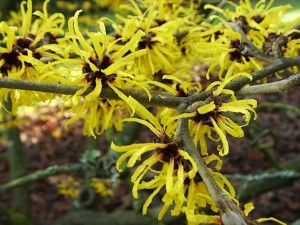
Witch hazel (Hamamelis virginiana) is a botanical extract derived from a shrub native to North America, long valued in traditional medicine for its therapeutic properties. Its efficacy is primarily attributed to a high concentration of tannins, which provide powerful astringent effects, along with other beneficial compounds like flavonoids, gallic acid, and proanthocyanins. Commercially available as a distillate (hydrosol) or extract, witch hazel is almost exclusively used for topical applications to address minor skin irritations, inflammation, and swelling. This article provides a clinical overview of its validated uses, administration protocols, and essential safety considerations.

⚠️ WARNING – Do Not Ingest!

Witch hazel preparations are intended for external use only. Oral consumption is contraindicated due to the high tannin content, which can cause severe gastrointestinal distress, liver damage (hepatotoxicity), and potential kidney injury. Always use as directed and keep out of reach of children.


Validated Therapeutic Applications

The primary benefits of witch hazel stem from its anti-inflammatory and astringent properties, making it a suitable agent for various minor dermatological conditions.

Uses and Benefits of Witch Hazel

Management of Minor Skin Irritation and Inflammation

Witch hazel is recognized for its ability to soothe minor skin issues. Its compounds help reduce redness, swelling, and itching associated with conditions like insect bites, minor sunburns, and contact dermatitis. It can help prevent peeling and flaking by mitigating the inflammatory response in damaged skin.

Astringent Action for Blemishes and Oily Skin

As a natural astringent, witch hazel temporarily tightens skin proteins, which can help reduce the appearance of pores and control excess sebum (oil) production. While not a cure for severe acne, it can be beneficial for managing occasional blemishes and spots due to its mild anti-inflammatory and cleansing properties. It is most effective for oily and combination skin types.

Symptomatic Relief for Hemorrhoids and Varicose Veins

For external hemorrhoids, the vasoconstrictive and anti-inflammatory effects of witch hazel can provide significant temporary relief from itching, swelling, and discomfort. Similarly, applying compresses soaked in witch hazel to legs affected by varicose veins may help reduce associated pain and swelling by tightening the veins and surrounding tissues.

Reduction of Minor Bruises and Under-Eye Puffiness

Topical application can accelerate the healing of minor bruises by reducing swelling and improving blood circulation in the affected capillaries. Its ability to tighten skin and constrict blood vessels also makes it a popular traditional remedy for reducing puffiness and the appearance of bags under the eyes.

Administration Protocol and Safety Limits

These protocols apply exclusively to topical use. Internal use is strictly forbidden.

Treatment Duration

    • Standard Use: Apply as needed for symptomatic relief.
    • Limit: If the condition does not improve or worsens after 7 days of consistent use, discontinue and consult a healthcare professional.
    • Long-term Use: Not recommended for chronic, daily use without medical guidance, as it may lead to skin dryness or sensitization.

Quantity and Maximum Dose

    • Frequency: Apply a small amount to the affected area 2-4 times per day using a clean cotton ball or pad.
    • Maximum Dose: There is no defined maximum topical dose, but overuse should be avoided. Use the minimum amount necessary to cover the area.
    • Overuse Risk: Excessive application, particularly of alcohol-based formulations, can strip the skin’s natural moisture barrier, leading to dryness, irritation, and redness.

Administration Condition

    • Application: Apply to clean, dry skin.
    • Avoidance: DO NOT apply to open, deep, or infected wounds, nor on mucous membranes (eyes, inside the nose or mouth).
    • Formulation: For sensitive or dry skin, always choose alcohol-free witch hazel distillates (hydrosols) to prevent irritation. Alcohol-based versions are more astringent and suitable for very oily skin types.
    • Patch Test: Before first use, perform a patch test on a small area of skin (e.g., inner arm) to check for allergic reactions or sensitivity.

Specific Biological Limitation

Tannin-Induced Protein Precipitation

Witch hazel’s primary mechanism of action is driven by tannins. These polyphenolic compounds have the ability to bind with and precipitate proteins. Topically, this action is beneficial, causing the skin to tighten and constrict (astringent effect) and forming a protective layer over minor irritations. This helps reduce inflammation and seal off the area from further irritation.

However, this same mechanism makes witch hazel dangerous for internal consumption. If ingested, tannins can precipitate proteins along the gastrointestinal tract, leading to nausea, vomiting, and constipation. Systemic absorption of high doses can lead to hepatotoxicity (liver damage) because the liver is the primary organ for metabolizing these compounds.

Contraindications and Precautions

Absolute Contraindications (FORBIDDEN)

    • Internal Use: Oral ingestion is toxic.
    • Known Allergy: Individuals with a known allergy to Hamamelis virginiana or any component of the formulation.
    • Open Wounds: Application on deep cuts, severe burns, or infected skin is not advised as it can cause irritation and impede proper medical assessment.

Vulnerable Populations

    • Pregnancy and Breastfeeding: While topical use is generally considered low-risk, data is limited. Consult a healthcare provider before use.
    • Children: Use with caution on children under 6 years of age and preferably use alcohol-free formulations.
    • Sensitive Skin: Individuals with conditions like rosacea or eczema should use alcohol-free products and perform a patch test, as witch hazel can sometimes be an irritant.

Documented Adverse Effects

    • Common: Mild skin dryness, stinging upon application (especially with alcohol-based products).
    • Rare: Allergic contact dermatitis, redness, or worsening of irritation.

When to stop immediately: Discontinue use if you experience severe stinging, a rash, hives, or worsening of the initial symptoms.

How to Choose Quality Witch Hazel

The effectiveness and safety of witch hazel depend heavily on the quality and type of product chosen.

Product Type Description & Use Case
Witch Hazel Distillate (Hydrosol) Produced by steam-distilling the leaves and twigs. Contains water-soluble components but fewer tannins. Often preserved with a small amount of alcohol (e.g., 14%) or is available alcohol-free. Best for sensitive skin, toning, and soothing.
Witch Hazel Extract A more concentrated liquid made by soaking the plant parts in a solvent (like alcohol) to extract more tannins. It is more potent and astringent. Best for oily skin, blemishes, and insect bites.

Quality Criteria

    • Check for Alcohol Content: Choose “alcohol-free” for sensitive, dry, or compromised skin.
    • Purity: The ingredient list should be simple: ideally just Hamamelis virginiana water/extract and a preservative (if any). Avoid products with added fragrances, dyes, or unnecessary chemicals.
    • Origin: Purchase from reputable brands, pharmacies, or health food stores that ensure quality control.

Quick Guide: Witch Hazel Safety

Category Details
❌ Who should AVOID • Anyone taking it internally (FORBIDDEN)
• Individuals with a known allergy to witch hazel
• Application on deep, open, or infected wounds
📊 Maximum safe application • Adults: 2-4 times daily on affected area
• Treatment duration: Discontinue if no improvement in 7 days
• Use alcohol-free versions for sensitive skin
🚨 ALARM signs • Skin rash or hives
• Severe burning or stinging sensation
• Worsening of redness or swelling
💊 Major interactions • Topical interactions are rare and not well-documented.
• Avoid applying at the same time as other topical medications to prevent interference.
⏱️ When to consult a doctor IMMEDIATELY if alarm signs appear OR
No improvement after 7 days of use.

💡 Golden rule: When in doubt, consult a pharmacist or dermatologist!

Therapeutic Alternatives

If witch hazel is not suitable or effective for your condition, consider these validated alternatives:

    • Botanical Alternatives:
      1. Calendula (Calendula officinalis): Excellent for promoting healing and reducing inflammation in minor cuts, burns, and irritated skin, with a gentler profile than witch hazel.
      2. Aloe Vera (Aloe barbadensis miller): Superior for soothing sunburns and providing hydration. It has anti-inflammatory properties without the astringent, potentially drying effect.
    • Pharmacological Options:
      • Hydrocortisone Cream (0.5-1%): A low-potency corticosteroid for effective relief of itching and inflammation from insect bites or mild eczema.
      • Salicylic Acid / Benzoyl Peroxide: More effective, evidence-based treatments for acne and blemishes.

Note: Each alternative has its own specific contraindications and usage guidelines.

Recent Medical Research (2020-2026)

Recent research continues to affirm the traditional uses of witch hazel, focusing on its molecular mechanisms.

    • A 2021 review highlighted the antioxidant and anti-inflammatory properties of witch hazel extracts, confirming their ability to protect skin cells from oxidative stress caused by UV radiation and pollutants.
    • Studies are increasingly investigating specific hamamelitannins and their role in reinforcing the skin barrier function, suggesting potential applications in cosmetic formulations designed to protect against environmental damage.

Current Limitations

Despite its widespread use, there is a lack of large-scale, double-blind clinical trials comparing witch hazel to modern dermatological treatments for conditions like acne or rosacea. Most evidence relies on smaller studies, in-vitro data, and a long history of traditional use.

Specialist’s Summary

Witch hazel is a useful topical agent for symptomatic relief of minor skin irritations, inflammation, and oiliness, with moderate effects. It is strictly contraindicated for internal use due to hepatotoxicity risks. For sensitive skin, alcohol-free formulations are essential to avoid dryness. While generally safe for short-term external use, validated alternatives like calendula for healing or hydrocortisone for itching may be more appropriate for specific conditions.

Frequently Asked Questions

Is witch hazel effective for treating acne?

Witch hazel can help manage mild acne and occasional blemishes by reducing oiliness and inflammation. However, it is not a primary treatment for moderate to severe acne, for which agents like salicylic acid or benzoyl peroxide have stronger clinical evidence.

How long does it take for witch hazel to work on hemorrhoids?

For external hemorrhoids, witch hazel can provide symptomatic relief from itching and swelling within minutes of application. Consistent use over several days may be needed to see a significant reduction in inflammation. It does not cure hemorrhoids but manages the symptoms.

Is it safe to use witch hazel on my face every day?

Daily use may be appropriate for individuals with very oily skin, but it can be too drying for those with normal, dry, or sensitive skin. If you use it daily, choose an alcohol-free formula and monitor your skin for signs of dryness or irritation. If these occur, reduce frequency.

What are the best alternatives to witch hazel for sensitive skin?

For soothing sensitive skin, alcohol-free aloe vera gel, calendula cream, or chamomile hydrosol are excellent botanical alternatives. These options provide anti-inflammatory benefits without the potent astringent effect that can sometimes irritate sensitive skin.

Sources and References

    • European Medicines Agency (EMA). (2011). Community herbal monograph on Hamamelis virginiana L.
    • Gloor, M., Reichling, J., Wasik, B., & Holzgang, H. E. (2002). Anti-inflammatory, antiseptic and astringent action of Hamamelis virginiana. Der Hautarzt.
    • Thring, T. S., Hili, P., & Naughton, D. P. (2011). Antioxidant and potential anti-inflammatory activity of extracts and formulations of white tea, rose, and witch hazel on primary human dermal fibroblast cells. Journal of Inflammation.


You may also like

Leave a Comment