Saffron Benefits for Mood, Memory, and Weight Management

by Andreea Smiterson
1 comment
A+A-
Reset

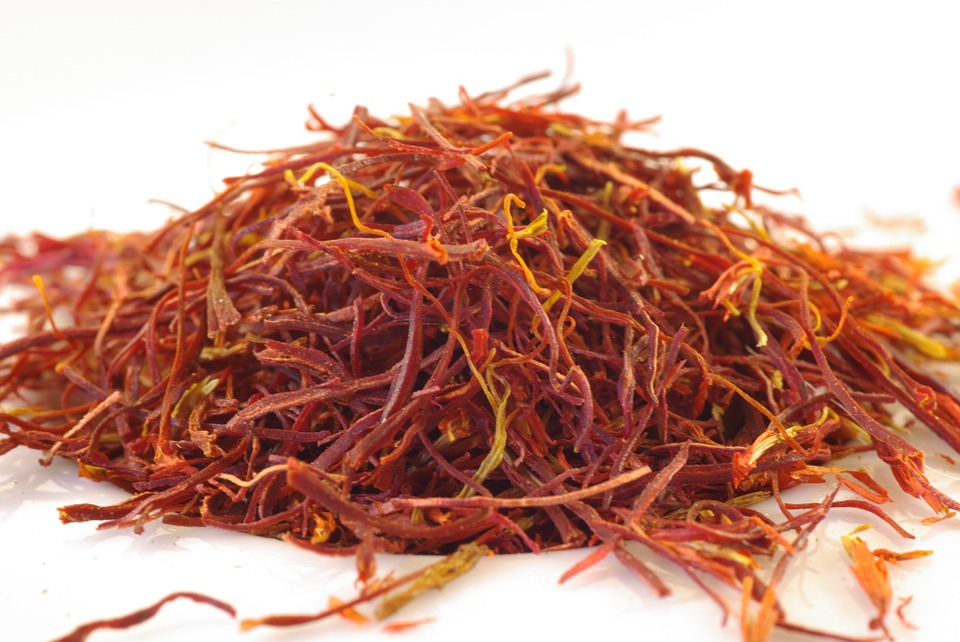
Saffron, derived from the vibrant red stigmas of the *Crocus sativus* flower, is one of the world’s most prized spices. Native to Southern Europe and parts of Asia, each stigma is meticulously hand-plucked, making it a labor-intensive and valuable commodity. Beyond its culinary fame for imparting a golden hue and distinct flavor, saffron has a long history in traditional medicine, particularly in Persian, Indian, and Greek systems, for a variety of health purposes.

saffron benefits

Modern science is now investigating these traditional claims, focusing on saffron’s active compounds, including crocin, crocetin, and safranal. These components are responsible for its color, flavor, and potential therapeutic effects. However, it is crucial to approach its use with an understanding of the scientific evidence, proper dosages, and safety precautions.

Potential Health Benefits of Saffron: What Research Suggests

While saffron is not a cure for any disease, emerging research indicates it may offer supportive benefits for several aspects of health. It is important to note that many studies use standardized extracts, which are more concentrated than the saffron used in cooking.

Supporting Mood and Emotional Well-being

One of the most researched areas for saffron is its potential role in supporting mental health. Several clinical trials suggest that saffron extract may help alleviate symptoms of mild-to-moderate depression. For instance, a 2023 meta-analysis published in the Journal of Affective Disorders concluded that saffron supplementation showed significant antidepressant effects compared to a placebo. Researchers believe its compounds, particularly safranal and crocin, may influence neurotransmitters like serotonin, dopamine, and norepinephrine, which are key regulators of mood.

Neuroprotective Properties and Cognitive Function

Saffron’s potent antioxidant properties are being explored for their potential to protect the brain. The compounds crocin and crocetin can neutralize harmful free radicals, which contribute to cellular damage and aging. Furthermore, preclinical studies suggest these compounds may have anti-inflammatory effects in the brain. For this reason, researchers are investigating saffron’s potential role in neurodegenerative conditions like Alzheimer’s disease. However, it is critical to understand that this research is preliminary and does not suggest saffron can prevent or treat these complex conditions.

Aiding in Weight Management and Appetite Control

For those struggling with weight management, saffron may offer modest support. Research indicates that it may help reduce appetite and curb snacking behaviors. A study published in Nutrition Research found that women who took a saffron extract supplement reported a greater reduction in snacking and a more significant decrease in body weight compared to the placebo group. The proposed mechanism is that saffron may enhance feelings of satiety, possibly by improving mood and reducing the impulse for emotional eating.

Antioxidant and Anti-inflammatory Potential

Chronic inflammation and oxidative stress are underlying factors in many chronic diseases. Saffron is rich in antioxidants that help protect cells from damage. While some early laboratory and animal studies have explored the effects of saffron compounds on cancer cells, this research is highly preliminary. Therefore, claims that saffron can prevent or treat cancer are unsubstantiated and dangerous. Its primary established value lies in its general antioxidant capacity, which supports overall cellular health.

Administration Protocol and Safety Limits

Proper administration is key to safely harnessing saffron’s potential benefits. High doses can be toxic, and long-term use requires medical supervision.

  • Treatment Duration: For therapeutic purposes, use saffron supplements for up to 8-12 weeks.
  • Mandatory Break: A break of at least 2-4 weeks is recommended between treatment cycles to assess effectiveness and prevent potential side effects.
  • Maximum Daily Dose: Standardized extracts are typically dosed at 30 mg per day, often split into two 15 mg doses. For saffron threads, a therapeutic dose is generally considered to be around 20-50 mg (approximately 7-15 threads), not to exceed 1.5 grams per day.
  • Overdose Risk: Exceeding 5 grams of saffron in a single dose can cause severe toxic effects, including vomiting, dizziness, uterine bleeding, and nervous system damage. Doses of 10-20 grams can be fatal.
  • Administration Condition: Take saffron supplements with food to minimize potential gastrointestinal upset. Saffron tea can be consumed between meals.

Specific Biological Limitation

Uterine Stimulation: Saffron has traditionally been used as an emmenagogue, a substance that can stimulate menstrual flow. Its active compounds can cause uterine contractions. While this effect is negligible at culinary doses, it becomes a significant risk at therapeutic or high doses, posing a direct danger during pregnancy by potentially inducing miscarriage.

Contraindications and Precautions

Before using saffron for medicinal purposes, it is essential to be aware of its contraindications and potential interactions.

Absolute Contraindications

  • Pregnancy: Absolutely forbidden due to its uterine-stimulant properties, which can lead to miscarriage.
  • Bipolar Disorder: Saffron may trigger manic episodes in individuals with bipolar disorder.
  • Known Allergy: Do not use if you have a known allergy to *Crocus sativus* or plants in the Iridaceae family.

Vulnerable Populations

  • Breastfeeding: Safety has not been established. It is unknown if saffron’s active compounds pass into breast milk. Avoid use.
  • Children: Not recommended for therapeutic use in children under 12 due to a lack of safety data.

Major Drug Interactions

  • Antidepressants (SSRIs, SNRIs): Combining saffron with these medications may theoretically increase the risk of serotonin syndrome, a potentially serious condition. Consult your doctor.
  • Antihypertensive Drugs: Saffron may lower blood pressure. Consequently, taking it with blood pressure medication could cause it to drop too low (hypotension).
  • Anticoagulants/Antiplatelets (e.g., Warfarin, Aspirin): Saffron may have mild blood-thinning effects, potentially increasing the risk of bleeding when combined with these drugs.

Documented Adverse Effects

  • Common: Dry mouth, dizziness, nausea, headache, and changes in appetite.
  • When to Stop Immediately: Discontinue use and seek medical attention if you experience yellowing of the skin or eyes (jaundice), severe vomiting, bloody diarrhea, or signs of an allergic reaction (rash, swelling, difficulty breathing).

Therapeutic Alternatives

If saffron is not suitable for you, other evidence-based botanicals may be considered for similar purposes, each with its own safety profile.

  1. For Mood Support: Rhodiola (*Rhodiola rosea*) is an adaptogenic herb studied for its ability to improve mood and reduce fatigue associated with stress and mild depression. It works through different mechanisms, primarily by modulating the hypothalamic-pituitary-adrenal (HPA) axis.
  2. For Cognitive Function: Ginkgo biloba is well-researched for its potential to support memory and cognitive processing, particularly in older adults. It primarily works by improving blood flow to the brain and providing antioxidant effects.
  3. For Appetite Control: Green Tea Extract, rich in catechins like EGCG, has been shown to modestly support weight management by increasing metabolism and fat oxidation. It offers a different approach compared to saffron’s effect on satiety.

Recent Medical Research (2020-2026)

Recent studies continue to reinforce saffron’s potential, particularly in mental health, while also clarifying its limitations.

  • A 2023 systematic review and meta-analysis in Nutritional Neuroscience confirmed that saffron supplementation has a significant positive effect on improving symptoms of depression and anxiety compared to placebo, highlighting its potential as an adjunct therapy.
  • Research published in Frontiers in Nutrition in 2022 explored saffron’s role in metabolic health, finding that it may help improve glycemic control and lipid profiles in patients with metabolic syndrome, though larger trials are needed.

Current Limitations: While promising, much of the research involves small sample sizes or short durations. We still need larger, long-term clinical trials to confirm efficacy, establish optimal dosing, and fully understand its safety profile, especially in combination with conventional medications.

Specialist’s Summary

Saffron is a promising botanical agent primarily for supporting mood in cases of mild-to-moderate depression, with moderate effects that may appear after 4-6 weeks. It is strictly contraindicated during pregnancy and in individuals with bipolar disorder and requires caution when used with antidepressants and blood pressure medications. Validated alternatives include Rhodiola for mood and Ginkgo biloba for cognitive support.

Frequently Asked Questions

1. Can I use saffron from the grocery store for therapeutic effects?

While culinary saffron contains the same active compounds, it is difficult to ensure a consistent, therapeutic dose. For health purposes, standardized saffron extracts (typically 30 mg) used in clinical studies are more reliable. If using threads, ensure they are high-quality (vibrant red, not gray or dull).

2. How long does it take for saffron to work for mood?

Most clinical studies show noticeable improvements in mood after 4 to 6 weeks of consistent daily use. Effects are not immediate and require regular supplementation at the correct dosage.

3. Is it safe to take saffron every day?

Taking saffron at recommended therapeutic doses (e.g., 30 mg of extract) appears to be safe for short-term use, typically up to 12 weeks. Long-term daily use has not been well-studied and should only be done under the guidance of a healthcare provider.

4. Is saffron safe during pregnancy or for children?

No. Saffron is contraindicated during pregnancy as it can stimulate uterine contractions and potentially cause a miscarriage. Its safety in children has not been established, and it is not recommended for therapeutic use in this population.

Sources and References

  1. Marx, W., et al. (2023). The effect of saffron (Crocus sativus L.) on mood and sleep quality: A systematic review of randomised controlled trials. Journal of Affective Disorders.
  2. Hausenblas, H. A., et al. (2013). Saffron (Crocus sativus L.) and major depressive disorder: a meta-analysis of randomized clinical trials. Journal of Integrative Medicine.
  3. Gout, B., et al. (2010). Satiereal, a Crocus sativus L extract, reduces snacking and increases satiety in a randomized placebo-controlled study of mildly overweight women. Nutrition Research.
  4. Tóth, B., et al. (2022). The Efficacy of Saffron in the Treatment of Depression: A Systematic Review and Meta-Analysis. Planta Medica.

⚠️ Important Medical Information

This article is for educational and informational purposes only and is not intended as medical advice, diagnosis, or treatment. The information provided about Saffron is based on traditional use, preliminary research, and available scientific evidence, which may be limited.

Before using Saffron:

  • Consult a qualified healthcare provider, especially if you are pregnant, breastfeeding, taking medications, or have existing health conditions like bipolar disorder.
  • Do not use as a substitute for prescribed medications or professional medical treatment.
  • Individual results may vary – what works for one person may not work for another.
  • Monitor for adverse reactions and discontinue use if negative symptoms occur.


You may also like

Leave a Comment