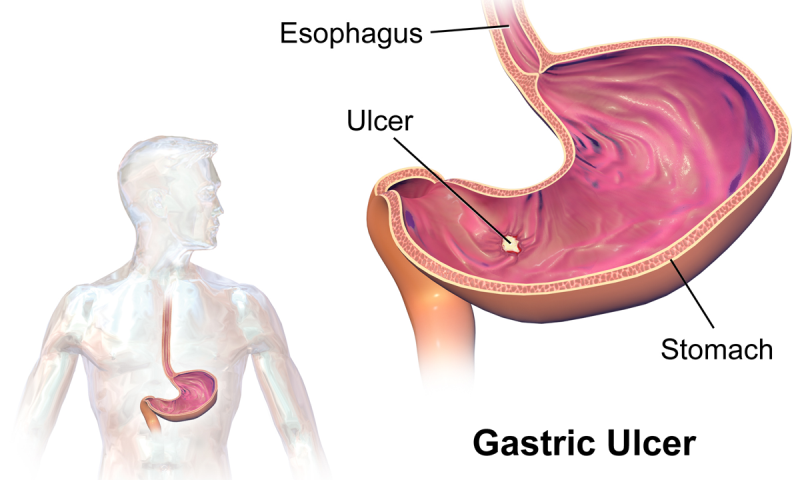
Ulcers are open sores that can develop on the internal lining of your stomach and the upper portion of your small intestine. While many types exist, those affecting the digestive system are the most common. Furthermore, they often share a core set of symptoms, including sharp abdominal pain, nausea, a burning sensation in the chest, unexplained weight loss, and bloating. It is crucial to understand that these symptoms require a professional medical diagnosis.
Indeed, if you experience these signs, consulting a healthcare provider is essential. An ulcer is a serious medical condition that necessitates proper diagnosis and treatment. In addition to conventional medical care, managing your diet and lifestyle plays a significant role in healing and preventing recurrence. This typically involves avoiding foods that can irritate the digestive tract.

Understanding Peptic Ulcer Disease
Peptic ulcer disease is the umbrella term for sores that occur in the lining of the digestive tract. The location of the ulcer determines its specific type. Consequently, the two primary types of peptic ulcers are gastric and duodenal ulcers, both of which are primarily caused by the erosion of the protective mucosal lining by stomach acid and digestive enzymes like pepsin.
1. Gastric Ulcer
A gastric ulcer is a sore that develops specifically on the lining of the stomach. Its symptoms are often more pronounced and severe compared to other ulcers. For instance, patients commonly report a sharp, gnawing pain in the upper abdomen, which can worsen after eating. Other frequent symptoms include indigestion, persistent nausea, loss of appetite, and subsequent weight loss.
Historically, stress and diet were blamed, but modern research identifies two main culprits. The primary cause is an infection with the bacterium Helicobacter pylori (H. pylori). Additionally, the long-term use of nonsteroidal anti-inflammatory drugs (NSAIDs) like ibuprofen and aspirin can disrupt the stomach’s natural defenses against acid, leading to ulcer formation. Therefore, avoiding spicy and greasy foods is often recommended as they can exacerbate symptoms.
2. Duodenal Ulcer
This type of ulcer forms in the duodenum, which is the first part of the small intestine immediately connected to the stomach. Symptoms are similar to a gastric ulcer, but the pain often occurs a few hours after a meal or at night when the stomach is empty, and may be temporarily relieved by eating.
The duodenum is protected from corrosive stomach acid by a bicarbonate-rich mucus barrier. However, when the balance between acid production and this protective barrier is disrupted, an ulcer can form. As with gastric ulcers, H. pylori infection and NSAID use are the most common causes. These factors either increase acid production or weaken the mucosal defense, creating the conditions for tissue damage.
Phytotherapeutic Support for Gastric Mucosal Health
Important Note: The following herbal approaches are intended as supportive measures to complement, not replace, conventional medical treatment for ulcers. Always consult your healthcare provider before starting any new supplement, especially if you have a diagnosed ulcer or are taking medication.
Deglycyrrhizinated Licorice (DGL) for Mucosal Protection
Traditionally, herbalists have used licorice root for digestive complaints for centuries. Modern preparations use Deglycyrrhizinated Licorice (DGL), which has had the compound glycyrrhizin removed to avoid potential side effects like increased blood pressure. Research suggests DGL works by increasing the production of mucus, which forms a protective layer over the stomach and duodenal lining, helping to shield it from acid.
| Administration Protocol and Safety Limits |
|
Form: Chewable tablets are preferred as saliva helps activate the compounds. Dosage: Chew 300-400 mg of DGL 20 minutes before meals and at bedtime. Treatment Duration: Typically used for 8-16 weeks. Consult a practitioner for longer-term use. Mandatory Break: It is advisable to take a 2-4 week break after 16 weeks of continuous use. Maximum Daily Dose: Do not exceed 1,500 mg per day without professional guidance. |
Specific Biological Limitation
While DGL is much safer than whole licorice, its primary action is to enhance the body’s natural protective mechanisms rather than directly neutralizing acid or eradicating bacteria. Therefore, it is not a standalone treatment for an active H. pylori infection, which requires antimicrobial therapy.
Contraindications and Precautions
- Pregnancy and Breastfeeding: Avoid use due to a lack of safety data.
- Hormone-Sensitive Conditions: While glycyrrhizin is removed, individuals with hormone-sensitive cancers should consult their oncologist before use.
- Drug Interactions: DGL has fewer interactions than whole licorice, but it’s wise to consult a pharmacist if you take blood pressure medications or diuretics.
Mastic Gum (Pistacia lentiscus) for H. pylori Support
Mastic gum is a resin obtained from the mastic tree, traditionally used in Mediterranean cultures for gastrointestinal health. Notably, several studies have investigated its potential antibacterial activity against H. pylori. A study published in the New England Journal of Medicine was among the first to highlight its potential, and subsequent research continues to explore this mechanism.
| Administration Protocol and Safety Limits |
|
Form: Capsules or powder. Dosage: A common dosage is 1 gram per day, divided into two doses, taken on an empty stomach. Timing: Take at least 30 minutes before breakfast and before bedtime for optimal effect. Treatment Duration: Often used in cycles of 4-8 weeks. Maximum Daily Dose: Doses up to 2 grams per day have been used in studies, but stick to 1 gram unless advised otherwise. |
Specific Biological Limitation
The effectiveness of mastic gum against H. pylori can vary. Some strains of the bacteria may be more resistant than others. For this reason, it should not be considered a substitute for standard triple-therapy antibiotics prescribed by a doctor for a confirmed H. pylori infection, though it may be a useful adjunct.
Contraindications and Precautions
- Allergies: Individuals with allergies to plants in the Anacardiaceae family (like pistachio or mango) may react to mastic gum.
- Pregnancy and Breastfeeding: Not recommended due to insufficient research.
- Children: Consult a pediatrician before use.
Therapeutic Alternatives
If the aforementioned herbs are not suitable, other options may provide support for gastric health:
- Slippery Elm (Ulmus rubra): This is a demulcent herb, meaning it contains mucilage that forms a soothing, protective film over irritated mucous membranes. It is particularly useful for relieving heartburn and gastritis symptoms.
- Chamomile (Matricaria recutita): Known for its anti-inflammatory and spasmolytic properties, chamomile tea can help calm the digestive tract and reduce mild inflammation associated with gastritis. According to European Medicines Agency (EMA) monographs, it is officially recognized for treating minor gastrointestinal complaints.
- Pharmacological Options: For diagnosed ulcers, doctors typically prescribe proton pump inhibitors (PPIs) to reduce stomach acid and antibiotics to eradicate H. pylori. These are the gold standard of care.
Recent Medical Research (2020-2026)
Recent research continues to focus on the gut microbiome’s role in ulcer development and healing. A 2023 meta-analysis published in Gastroenterology Research and Practice confirmed the strong link between gut dysbiosis and the persistence of H. pylori infections. Furthermore, studies are exploring how certain plant compounds, known as polyphenols, can help inhibit H. pylori growth and reduce inflammation without the side effects of long-term NSAID use. However, much of this research is still in preclinical or early clinical stages, and more robust human trials are needed to establish definitive protocols.
Specialist’s Summary
Peptic ulcers are serious sores in the digestive tract requiring medical diagnosis, primarily caused by H. pylori or NSAIDs. Phytotherapy, using herbs like DGL for mucosal protection and Mastic Gum for its traditional use against gastric distress, can offer supportive care alongside conventional treatment. These herbs are generally well-tolerated but are contraindicated during pregnancy and require consultation before use with other medications. Always prioritize medical treatment, especially for active infections.
Frequently Asked Questions
1. Can I treat an ulcer with herbs alone?
No. It is unsafe to attempt to treat a diagnosed ulcer, especially one caused by H. pylori, with herbs alone. Conventional antibiotic therapy is necessary to eradicate the infection and prevent serious complications like bleeding or perforation. Herbal remedies should only be used as supportive adjuncts under medical supervision.
2. What is the difference between a peptic ulcer and gastritis?
Gastritis is the general inflammation of the stomach lining. In contrast, a peptic ulcer is an actual open sore or erosion that has penetrated deeper into the lining of the stomach or duodenum. While gastritis can be a precursor to an ulcer, they are distinct conditions.
3. How long does it take for an ulcer to heal?
With proper medical treatment, including acid-reducing medications and antibiotics for H. pylori, most ulcers heal within four to eight weeks. The healing process also depends heavily on lifestyle factors, such as avoiding NSAIDs, smoking, and excessive alcohol consumption.
4. Are these herbs safe for children or during pregnancy?
No. The use of DGL and Mastic Gum is generally not recommended for children, during pregnancy, or while breastfeeding due to a lack of sufficient safety studies in these vulnerable populations. Always consult a qualified healthcare provider before giving any herbal supplement to a child.
Sources and References
Recent Studies (2020-2026):
- Salehi, B., et al. (2021). Pistacia Plants: From Traditional to Modern Uses in Main Medicine. Journal of Clinical Medicine.
- Gong, Y., Li, Y., & Sun, Q. (2020). Efficacy of Probiotics for the Eradication of Helicobacter pylori: A Review. Gastroenterology Research and Practice.
Official Monographs:
- European Medicines Agency (EMA). (2015). European Union herbal monograph on Matricaria recutita L., flos.
- World Health Organization (WHO). (1999). WHO Monographs on Selected Medicinal Plants – Vol. 1: Radix Glycyrrhizae.
⚠️ Important Medical Information
This article is for educational and informational purposes only and is not intended as medical advice, diagnosis, or treatment. The information provided about herbal support for ulcers is based on traditional use, preliminary research, and available scientific evidence, which may be limited.
Before using any herbal supplement:
- Consult a qualified healthcare provider, especially if you are pregnant, breastfeeding, taking medications, or have existing health conditions like a diagnosed ulcer.
- Do not use as a substitute for prescribed medications or professional medical treatment.
- Individual results may vary – what works for one person may not work for another.
- Monitor for adverse reactions and discontinue use if negative symptoms occur.