Cramps But No Period? 8 Potential Causes & Natural Relief Options

Explore the reasons for abdominal cramping and discover how herbs like chamomile can offer safe, natural support.

by Andreea Smiterson
0 comments
A+A-
Reset

Abdominal cramps are involuntary muscle contractions that many associate exclusively with menstruation. However, experiencing cramping without a period can be unsettling and may indicate various underlying physiological processes or health conditions. Understanding the potential causes is the first step toward finding appropriate relief and knowing when to seek medical attention.

cramps

This article explores common reasons for non-menstrual cramping and examines evidence-based phytotherapeutic options for symptomatic relief, particularly for cramps linked to digestive and stress-related issues.

Important Note: This information is for educational purposes. Persistent or severe cramping always requires a diagnosis from a qualified healthcare provider to rule out serious conditions.

Common Causes of Cramps Without Menstruation

Abdominal cramping can stem from gynecological, digestive, or urinary system issues. Therefore, identifying the cause is crucial for proper management.

Gynecological Causes

  • Ovulation: Many individuals experience a dull, one-sided ache or sharp pain in the lower abdomen mid-cycle, known as “mittelschmerz.” This pain occurs when the ovary releases an egg, typically 12-16 days before the next period.
  • Early Pregnancy: Implantation cramping can occur when a fertilized egg attaches to the uterine wall. This is often described as a mild, pulling sensation and may be accompanied by light spotting.
  • Ovarian Cysts: These fluid-filled sacs on the ovaries are common and often asymptomatic. However, larger cysts can cause a persistent dull ache or sharp, intermittent cramps. A ruptured cyst can cause sudden, severe pain and requires immediate medical attention.
  • Endometriosis: This condition involves the growth of uterine-like tissue outside the uterus, causing chronic inflammation and significant pelvic pain or cramping, which can occur at any time during the cycle.
  • Pelvic Inflammatory Disease (PID): An infection of the female reproductive organs, PID can cause lower abdominal cramping, back pain, and other symptoms. Consequently, it requires prompt medical treatment with antibiotics.

Non-Gynecological Causes

  • Stress: The brain-gut axis is a well-established connection. High levels of stress can trigger the release of hormones that affect the digestive system, leading to muscle tension and abdominal cramps.
  • Irritable Bowel Syndrome (IBS): This functional gastrointestinal disorder is characterized by cramping, bloating, gas, and changes in bowel habits (diarrhea or constipation). Symptoms are often triggered by certain foods or stress.
  • Interstitial Cystitis (Painful Bladder Syndrome): This chronic condition causes bladder pressure and pain, which can be perceived as pelvic cramps. The pain often worsens as the bladder fills.

Phytotherapy for Symptomatic Relief of Cramps

For cramps associated with digestive upset (like IBS) or stress, certain herbs with antispasmodic and anti-inflammatory properties may offer symptomatic relief. It is crucial to remember that these herbs do not treat underlying medical conditions like PID or endometriosis, which require professional medical care.

German Chamomile (Matricaria recutita) for Stress and Digestive Spasms

Traditionally used for calming nerves and soothing digestive complaints, German Chamomile is recognized for its gentle yet effective properties. Its benefits are attributed to compounds like apigenin and chamazulene.

Mechanism of Action: Research published in journals like Molecular Medicine Reports suggests that apigenin, a flavonoid in chamomile, has anxiolytic (anxiety-reducing) effects by binding to benzodiazepine receptors in the brain. Furthermore, its essential oils possess potent antispasmodic and anti-inflammatory properties, helping to relax the smooth muscles of the intestinal tract and reduce cramping.

Administration Protocol and Safety Limits

Form Dosage and Administration
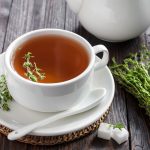
Herbal Tea (Infusion) Pour 150-200 ml of boiling water over 1-2 teaspoons of dried chamomile flowers. Cover and steep for 10-15 minutes. Drink 2-3 times daily between meals.
Standardized Extract Follow product-specific instructions, typically 200-500 mg per day. Consult a healthcare provider for appropriate dosing.
  • Treatment Duration: Use for up to 4 weeks for symptomatic relief.
  • Mandatory Break: Take a break of at least 1-2 weeks between treatment cycles.
  • Maximum Daily Dose: Do not exceed 4 cups of strong tea or the maximum recommended dose on extract supplements.

Contraindications and Precautions

  • Absolute Contraindications: Individuals with a known allergy to the Asteraceae/Compositae family (e.g., ragweed, daisies, marigolds) should avoid chamomile, as it can trigger severe allergic reactions.
  • Vulnerable Populations: While generally considered safe, consult a pediatrician before giving it to children. Pregnant or breastfeeding women should consult their healthcare provider before use.
  • Drug Interactions: Chamomile may have mild blood-thinning effects. Therefore, use it with caution if you are taking anticoagulant medications like warfarin. It can also enhance the sedative effects of other medications or alcohol.

Therapeutic Alternatives

If chamomile is not suitable for you, other botanicals may help with cramping, particularly from digestive causes.

  1. Peppermint (Mentha x piperita): Specifically for IBS-related cramping, enteric-coated peppermint oil capsules are well-researched. Studies, including a meta-analysis in the Journal of Clinical Gastroenterology, have shown they effectively reduce abdominal pain and bloating by relaxing intestinal smooth muscles.
  2. Fennel (Foeniculum vulgare): Traditionally used as a carminative and antispasmodic, fennel seed tea can help relieve gas, bloating, and intestinal cramps. Its active compounds, such as anethole, are believed to exert a relaxing effect on the digestive tract.

Recent Medical Research (2020-2026)

Recent research continues to validate the traditional uses of these herbs. A 2022 systematic review highlighted the efficacy of various herbal remedies, including chamomile and peppermint, in managing functional gastrointestinal disorders like IBS. However, researchers emphasize the need for more large-scale, high-quality clinical trials to establish standardized dosing and long-term safety profiles.

Current Limitations: While promising, much of the evidence for herbal remedies is based on traditional use and smaller studies. The exact mechanisms and optimal dosages for many conditions are still under investigation.

Specialist’s Summary

Non-menstrual cramping can be caused by a wide range of conditions, from benign ovulation pain to serious infections like PID. While phytotherapy, particularly with antispasmodic herbs like Chamomile and Peppermint, can provide effective symptomatic relief for stress-related or digestive cramps, it is not a substitute for a proper medical diagnosis. These remedies are contraindicated for individuals with specific allergies and may interact with certain medications. Always consult a healthcare provider for persistent or severe pain to ensure you receive appropriate care.

Frequently Asked Questions

1. Can stress alone really cause physical cramps?
Yes. The brain-gut connection is powerful. Stress and anxiety can lead to increased muscle tension in the abdomen and alter gut motility, resulting in painful cramping, bloating, and discomfort, even without any underlying physical disease.

2. How can I tell if my cramps are from IBS or something more serious?
IBS cramps are typically related to bowel movements and accompanied by bloating, gas, diarrhea, or constipation. Cramps from conditions like endometriosis or PID are often more constant, severe, and may be associated with other symptoms like fever, unusual discharge, or pain during intercourse. A medical diagnosis is essential to differentiate them.

3. Are heat packs effective for non-menstrual cramps?
Yes, applying a warm compress or heat pack to the lower abdomen can be very effective. Heat helps to relax contracting muscles and increase blood flow to the area, which can significantly ease the pain from various types of cramps, including those from ovulation or digestive upset.

4. Is it safe to use these herbs during pregnancy?
Extreme caution is advised. While chamomile tea is sometimes used in moderation, many herbs are not recommended during pregnancy due to a lack of safety data or potential to stimulate the uterus. Always consult your obstetrician or a qualified healthcare provider before using any herbal product during pregnancy or while breastfeeding.

Sources and References

  • Srivastava, J. K., Shankar, E., & Gupta, S. (2010). Chamomile: A herbal medicine of the past with bright future. Molecular medicine reports, 3(6), 895–901. Link to study
  • Alam, R., et al. (2022). Efficacy of Herbal-based Medicines in the Management of Irritable Bowel Syndrome: A Systematic Review and Meta-analysis. Journal of Gastroenterology and Hepatology.
  • European Medicines Agency (EMA). (2015). European Union herbal monograph on Matricaria recutita L., flos. EMA Monograph

⚠️ Important Medical Information

This article is for educational and informational purposes only and is not intended as medical advice, diagnosis, or treatment. The information provided about herbal remedies is based on traditional use, preliminary research, and available scientific evidence, which may be limited.

Before using any herbal remedy:

  • Consult a qualified healthcare provider, especially if you are pregnant, breastfeeding, taking medications, or have existing health conditions like endometriosis, PID, or ovarian cysts.
  • Do not use as a substitute for prescribed medications or professional medical treatment.
  • Individual results may vary – what works for one person may not work for another.
  • Monitor for adverse reactions and discontinue use if negative symptoms occur.


You may also like

Leave a Comment