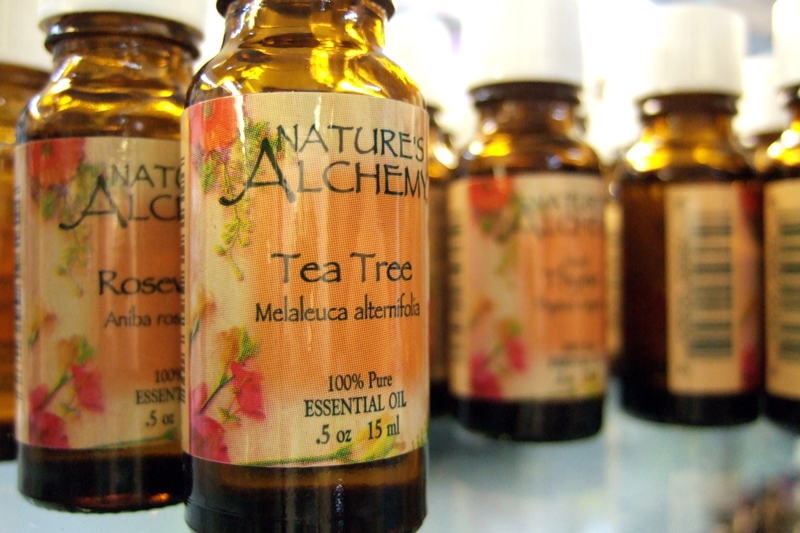
Tea Tree Oil for Yeast Infections: A Research-Based Safety Guide

Learn the science behind its antifungal effects, safe application methods, and crucial precautions.

by Andreea Smiterson
0 comments
A+A-
Reset

Vaginal candidiasis, commonly known as a yeast infection, is a condition caused by the overgrowth of a fungus, most often Candida albicans. While this yeast is a normal part of the vaginal microbiome, certain factors can disrupt the natural balance, leading to uncomfortable symptoms like itching, burning, and redness. These triggers can include antibiotic use, hormonal changes, stress, or underlying health conditions.

While conventional antifungal treatments are the standard of care, there is growing interest in complementary botanical options. Tea tree oil (Melaleuca alternifolia), with its long history in traditional medicine, is one such option. However, its potency requires a thorough understanding of its properties and strict adherence to safety protocols.

tea tree oil benefits

The Science Behind Tea Tree Oil’s Antifungal Action

Tea tree oil’s potential efficacy against yeast infections is not merely anecdotal; it is rooted in its chemical composition. The primary active component responsible for its antimicrobial effects is terpinen-4-ol.

  • Antifungal Properties: Research published in journals like Future Microbiology indicates that terpinen-4-ol can disrupt the cell membrane and wall of Candida albicans. Consequently, this action inhibits the fungus’s ability to grow and replicate.
  • Anti-inflammatory Effects: Furthermore, tea tree oil may help reduce the inflammation associated with yeast infections, potentially alleviating some of the burning and swelling.
  • Biofilm Disruption: Importantly, some studies suggest that tea tree oil can interfere with the formation of biofilms—protective layers that make yeast more resistant to treatment. This is particularly relevant for recurrent or stubborn infections.

Despite these promising mechanisms, it is critical to remember that tea tree oil is a potent substance that can cause significant harm if used improperly.

⚠️ CRITICAL SAFETY WARNING: Never Use Undiluted or Ingest Tea Tree Oil

Tea tree oil is toxic when swallowed and can cause severe irritation or chemical burns when applied undiluted to the skin, especially on sensitive mucous membranes like the vaginal area. Internal consumption can lead to serious poisoning, with symptoms including confusion, loss of muscle control, and coma. All applications must be heavily diluted with a suitable carrier oil.

Administration Protocol and Safety Limits

If you and your healthcare provider decide to explore tea tree oil as a complementary therapy, you must follow strict safety protocols. The following methods are based on preliminary research and traditional use, but they are not a substitute for standard medical care.

1. Highly Diluted Topical Application (External Use Only)

This method is intended only for relieving external itching on the vulva and should never be used internally.

  • Dilution Ratio: Mix 2-3 drops of 100% pure tea tree oil with 1 tablespoon (15 ml) of a carrier oil, such as coconut oil or jojoba oil.
  • Patch Test: Before applying to the sensitive vulvar area, perform a patch test on your inner forearm. Apply a small amount of the diluted mixture and wait 24 hours to check for any signs of redness, rash, or irritation.
  • Application: If the patch test is clear, you may apply a small amount of the diluted oil to the external affected area once or twice daily.

2. Sitz Bath

A sitz bath may help soothe external irritation.

  • Preparation: First, dilute 5-10 drops of tea tree oil in 1 tablespoon of a carrier oil. Then, add this mixture to a shallow tub of warm water and mix well to ensure it disperses. Never add the essential oil directly to the water, as it will not dissolve and can cause skin irritation.
  • Duration: Soak for 10-15 minutes.
  • Frequency: Once daily for no more than one week.

Treatment Duration and Limits

  • Maximum Duration: Do not use tea tree oil topically for yeast infections for more than 7 consecutive days.
  • Mandatory Break: If symptoms persist, discontinue use and consult a healthcare professional. Do not restart without medical advice.
  • Overdose Risk: Using a concentration higher than 1-5% can lead to severe contact dermatitis, blistering, and chemical burns.

Specific Biological Limitation

The very compounds in tea tree oil that provide its antifungal benefits, such as terpinen-4-ol, are also potent sensitizers. This means that with repeated exposure, the immune system can develop an allergic reaction (allergic contact dermatitis). This risk is significantly higher when using undiluted oil or applying it to compromised or mucosal skin, as the absorption rate is much greater. Therefore, what may seem helpful initially could lead to a chronic skin condition if used improperly.

Contraindications and Precautions

It is crucial to understand who should avoid using tea tree oil for this purpose.

Absolute Contraindications

  • Known Allergy: Individuals with a known allergy to Melaleuca alternifolia or its components must avoid it.
  • Internal Use: It is strictly forbidden to ingest tea tree oil.
  • Broken Skin: Do not apply to broken, raw, or blistered skin.

Vulnerable Populations

  • Pregnancy and Breastfeeding: Tea tree oil is not recommended for use during pregnancy or while breastfeeding due to a lack of safety data and its potential for hormonal effects.
  • Children: Do not use tea tree oil for this purpose on children.

Documented Adverse Effects

  • Common: Mild skin irritation, redness, dryness, and itching.
  • Severe (Rare): Allergic contact dermatitis, blistering, and chemical burns from improper dilution.

When to Stop Immediately: Discontinue use and wash the area thoroughly if you experience increased burning, a rash, hives, or worsening irritation.

Therapeutic Alternatives

If tea tree oil is not suitable or if you prefer a more established treatment, several effective alternatives are available.

Validated Botanical and Natural Options

  1. Boric Acid Suppositories: According to the Centers for Disease Control and Prevention (CDC), boric acid has shown high efficacy rates for treating non-albicans Candida and recurrent yeast infections. It should only be used vaginally and under medical supervision.
  2. Coconut Oil: Applied topically, coconut oil may offer some relief due to its caprylic acid content, which has known antifungal properties. It is generally considered safe for external use.
  3. Probiotics: Oral or vaginal probiotics containing strains like Lactobacillus rhamnosus and Lactobacillus reuteri may help restore the natural balance of the vaginal flora, making the environment less hospitable for yeast overgrowth.

Pharmacological Options

  • Over-the-Counter (OTC) Antifungals: Creams and suppositories containing clotrimazole or miconazole are the first-line treatment for most yeast infections and are highly effective.
  • Prescription Medication: For severe or recurrent infections, a doctor may prescribe an oral antifungal medication like fluconazole.

Recent Medical Research (2020-2026)

Modern research continues to explore the potential of tea tree oil, particularly in the context of antifungal resistance.

  • A 2021 study in the journal Antibiotics investigated the effect of tea tree oil on drug-resistant strains of Candida albicans. The findings suggested that tea tree oil and its components could inhibit the growth of these resistant strains and disrupt their biofilms, highlighting its potential as an adjunct therapy.
  • However, a 2022 systematic review published in the Journal of Fungi emphasized that while in-vitro (lab) evidence is strong, high-quality human clinical trials are still lacking. The review calls for more standardized research to establish definitive dosages, application methods, and long-term safety for vaginal use.

Updated Scientific Verdict: The current evidence supports tea tree oil’s potent antifungal activity in laboratory settings. Nevertheless, its clinical use for vaginal yeast infections remains experimental due to the risk of irritation and the absence of large-scale human trials. It should not be considered a primary treatment.

Specialist’s Summary

Tea tree oil shows significant in-vitro antifungal activity against Candida albicans, making it a subject of interest for complementary care. However, its potential for severe skin irritation and toxicity means it must be used with extreme caution, always highly diluted, and never as a replacement for medically-approved treatments. Given the high efficacy and safety of conventional antifungals and validated alternatives like boric acid, tea tree oil should only be considered under the guidance of a healthcare professional for mild, external symptoms.

Frequently Asked Questions

1. Can I apply pure tea tree oil directly for a yeast infection?
Absolutely not. Applying undiluted tea tree oil directly to the skin, especially the sensitive vaginal area, can cause severe chemical burns, blistering, and intense irritation. It must always be heavily diluted in a carrier oil.

2. How long does it take for tea tree oil to help with symptoms?
If it provides any relief for minor external itching, it may be noticeable within a few days. However, tea tree oil is not a cure and does not address the underlying infection. If symptoms do not improve within 2-3 days, or if they worsen, stop use immediately and consult a doctor.

3. Is it safe to use a tea tree oil-soaked tampon?
No, this is a dangerous practice that is not medically recommended. Inserting a tampon with tea tree oil, even if diluted, introduces a potent substance to the highly absorbent vaginal mucosa for a prolonged period, significantly increasing the risk of severe irritation, allergic reaction, and disruption of the natural flora.

4. Is tea tree oil safe for yeast infections during pregnancy?
No. Due to a lack of safety data and potential for absorption and hormonal effects, using tea tree oil for yeast infections is contraindicated during pregnancy. Pregnant women should always consult their obstetrician for safe and effective treatment options.

Sources and References

  • Carson, C. F., Hammer, K. A., & Riley, T. V. (2006). Melaleuca alternifolia (Tea Tree) oil: a review of antimicrobial and other medicinal properties. Clinical microbiology reviews, 19(1), 50–62.
  • Borecki, A., et al. (2021). Antifungal and Antivirulence Activity of Tea Tree (Melaleuca alternifolia) Essential Oil and Its Main Components against Pathogenic Candida Species. Antibiotics, 10(10), 1184.
  • Di Vito, M., et al. (2022). In Vitro and In Vivo Antifungal and Antibiofilm Activities of Selected Essential Oils against Candida albicans. Journal of Fungi, 8(5), 450.
  • Centers for Disease Control and Prevention (CDC). (2021). Vaginal Candidiasis – Treatment.

⚠️ Important Medical Information

This article is for educational and informational purposes only and is not intended as medical advice, diagnosis, or treatment. The information provided about Tea Tree Oil is based on traditional use, preliminary research, and available scientific evidence, which may be limited.

Before using Tea Tree Oil:

  • Consult a qualified healthcare provider, especially if you are pregnant, breastfeeding, taking medications, or have existing health conditions.
  • Do not use as a substitute for prescribed medications or professional medical treatment for a yeast infection.
  • Individual results may vary – what works for one person may not work for another.
  • Monitor for adverse reactions and discontinue use if negative symptoms occur.


You may also like

Leave a Comment