Constipation is a common digestive issue characterized by infrequent bowel movements or difficulty passing stools. While often linked to insufficient dietary fiber and hydration, persistent or severe constipation requires careful management. Phytotherapy, the use of plant-based remedies, offers several evidence-supported options for relief. However, it is crucial to understand their mechanisms and use them safely.
This guide provides an evidence-based overview of natural laxatives, focusing on their proper use, safety protocols, and when to seek medical advice. Importantly, natural remedies should not replace a medical diagnosis, especially for chronic or severe symptoms.

Understanding Different Types of Natural Laxatives
Herbal laxatives work through different mechanisms. Consequently, choosing the right one depends on the nature and severity of the constipation. The two primary categories are bulk-forming and stimulant laxatives.
- Bulk-Forming Laxatives: These contain high levels of soluble fiber that absorb water in the intestines. As a result, they form a soft, gel-like mass that increases stool volume and moisture, making it easier to pass. They are generally considered safe for long-term use.
- Stimulant Laxatives: These work by directly irritating the intestinal lining, which triggers muscle contractions (peristalsis) to move stool along. Due to their potent action, they are recommended only for short-term, occasional use to avoid dependency.
Evidence-Based Herbal Remedies for Constipation
1. Psyllium Husk (Plantago ovata) – A Gentle Bulk-Former
Psyllium, also known by its traditional name Isabgol, is one of the most well-researched natural laxatives. Its husk is rich in soluble fiber and mucilage. According to a meta-analysis published in the American Journal of Gastroenterology, psyllium supplementation significantly increases the frequency of bowel movements and improves stool consistency.
Mechanism of Action: When mixed with water, psyllium forms a viscous gel that softens and adds bulk to the stool, thereby facilitating its passage through the colon.
2. Flaxseed (Linum usitatissimum) – Fiber and Healthy Fats
Flaxseeds are another excellent bulk-forming agent, containing both soluble fiber and omega-3 fatty acids. Research indicates that ground flaxseed can help alleviate constipation, particularly in individuals with irritable bowel syndrome (IBS). For this reason, many practitioners recommend it for maintaining regularity.
How to Use: For maximum benefit, consume flaxseeds ground, not whole. Whole seeds may pass through the digestive system undigested. Add one to two tablespoons of ground flaxseed to water, yogurt, or smoothies daily.
3. Senna (Senna alexandrina) – A Potent Stimulant for Short-Term Relief
Senna is an FDA-approved, over-the-counter stimulant laxative. Its active compounds, known as sennosides, stimulate the nerves in the colon, leading to increased contractions and a bowel movement, typically within 6-12 hours. The World Health Organization (WHO) monograph on Senna leaf supports its use for short-term treatment of occasional constipation.
Critical Warning: Senna is intended for occasional, acute constipation only. Furthermore, long-term use can lead to electrolyte imbalances, dehydration, and laxative dependency (“lazy bowel syndrome”).
Administration Protocol and Safety Limits
Proper administration is critical for both efficacy and safety. Always follow these guidelines unless directed otherwise by a healthcare provider.
| Herb | Dosage & Protocol | Safety Limits |
|---|---|---|
| Psyllium Husk | Mix 1-2 teaspoons (5-10 g) in a full 8 oz (240 ml) glass of water or juice, 1-2 times daily. Drink immediately after mixing. Crucially, drink another full glass of water afterward to prevent choking or blockage. | Can be used long-term for regularity. Start with a low dose to assess tolerance. Effects may take 12-72 hours. |
| Senna | Typically taken as a tea or tablet containing 15-30 mg of sennosides before bedtime. | Maximum duration: 7 consecutive days. Do not exceed this without medical supervision. A mandatory break of at least 2 weeks is required between uses. |
Specific Biological Limitation
Intestinal Obstruction Risk with Bulk-Forming Laxatives: Psyllium and flaxseed work by absorbing water and swelling. This mechanism, while beneficial, becomes dangerous for individuals with pre-existing intestinal narrowing (strictures), blockages, or difficulty swallowing. Without sufficient fluid intake, these fibers can form a thick, solid mass that may worsen or cause an obstruction in the esophagus or intestines.
Contraindications and Precautions
Before using any herbal remedy, it is essential to be aware of potential risks and interactions.
- Absolute Contraindications: Do not use any laxative if you have symptoms of appendicitis (severe abdominal pain, nausea, vomiting), a known bowel obstruction, or undiagnosed abdominal pain. Senna is contraindicated in individuals with inflammatory bowel diseases like Crohn’s disease or ulcerative colitis.
- Vulnerable Populations:
- Pregnancy and Breastfeeding: While psyllium is generally considered safe, stimulant laxatives like Senna should be avoided unless explicitly recommended by a doctor.
- Children: Use in children under 12 should only occur under medical supervision. Dosages must be adjusted.
- Major Drug Interactions: Bulk-forming laxatives can slow the absorption of other medications. Therefore, take psyllium or flaxseed at least 2 hours before or after any other drugs, including oral contraceptives, digoxin, or lithium.
- When to Stop Immediately: Discontinue use and consult a doctor if you experience severe cramping, rectal bleeding, or if constipation persists for more than one week.
Therapeutic Alternatives
If the aforementioned herbs are not suitable, several other validated options exist.
- Prunes (Prunus domestica): Prunes and prune juice are effective due to their combination of fiber and sorbitol, a natural sugar alcohol with an osmotic laxative effect that draws water into the colon.
- Magnesium Citrate: This is a saline osmotic laxative that works by pulling water into the intestines, softening the stool and stimulating a bowel movement. It is effective but should be used for occasional relief.
- Triphala: A traditional Ayurvedic formula consisting of three fruits, Triphala is considered a gentle bowel tonic. Some preliminary studies suggest it may help improve the frequency and consistency of bowel movements.
Recent Medical Research (2020-2026)
Modern research continues to validate the use of fiber-based remedies for constipation. A 2021 systematic review confirmed that psyllium is one of the most effective fiber supplements for improving symptoms of chronic constipation. Furthermore, emerging research is exploring the role of the gut microbiome in constipation, with studies investigating how prebiotics (like the fiber in psyllium) and probiotics can work together to support bowel regularity.
However, research on the long-term safety and efficacy of many herbal combinations is still limited, reinforcing the need for caution and professional guidance.
Specialist’s Summary
Psyllium and flaxseed are excellent, safe options for managing mild to moderate constipation and promoting long-term regularity, provided they are taken with adequate fluids. Senna is a powerful tool for severe, occasional constipation but must be used strictly for the short term to avoid dependency and adverse effects. Always rule out underlying medical conditions with a healthcare provider before beginning any self-treatment regimen for chronic constipation.
Frequently Asked Questions
1. How long does it take for natural laxatives to work?
Bulk-forming laxatives like psyllium may take 12 to 72 hours to produce an effect. Stimulant laxatives like senna typically work much faster, usually within 6 to 12 hours.
2. Can I use natural laxatives every day?
Bulk-forming agents like psyllium and flaxseed can generally be used daily to maintain regularity. However, stimulant laxatives such as senna should never be used daily due to the high risk of dependency and side effects.
3. Is it safe to combine different natural laxatives?
Combining different types of laxatives, especially a bulk-former with a stimulant, should only be done under the guidance of a healthcare professional. This can increase the risk of side effects like cramping and dehydration.
4. Are natural laxatives safe for children or during pregnancy?
Psyllium is generally considered safe during pregnancy. However, Senna is not recommended. For children, any laxative use requires a pediatrician’s consultation to determine the appropriate remedy and dose. Never give herbal laxatives to infants.
Sources and References
- Du, L., et al. (2021). Efficacy of Prebiotics, Probiotics, and Synbiotics in Chronic Constipation: A Systematic Review and Meta-Analysis. The American Journal of Gastroenterology.
- World Health Organization (WHO). (1999). WHO Monographs on Selected Medicinal Plants – Volume 1. Folium Sennae.
- European Medicines Agency (EMA). (2017). Community herbal monograph on Plantago ovata Forssk., semen.
⚠️ Important Medical Information
This article is for educational and informational purposes only and is not intended as medical advice, diagnosis, or treatment. The information provided about Psyllium, Senna, and other remedies is based on traditional use, preliminary research, and available scientific evidence, which may be limited.
Before using any herbal laxative:
- Consult a qualified healthcare provider, especially if you are pregnant, breastfeeding, taking medications, or have existing health conditions like IBD or a suspected bowel obstruction.
- Do not use as a substitute for prescribed medications or professional medical treatment for chronic constipation.
- Individual results may vary – what works for one person may not work for another.
- Monitor for adverse reactions and discontinue use if negative symptoms occur.
2 comments
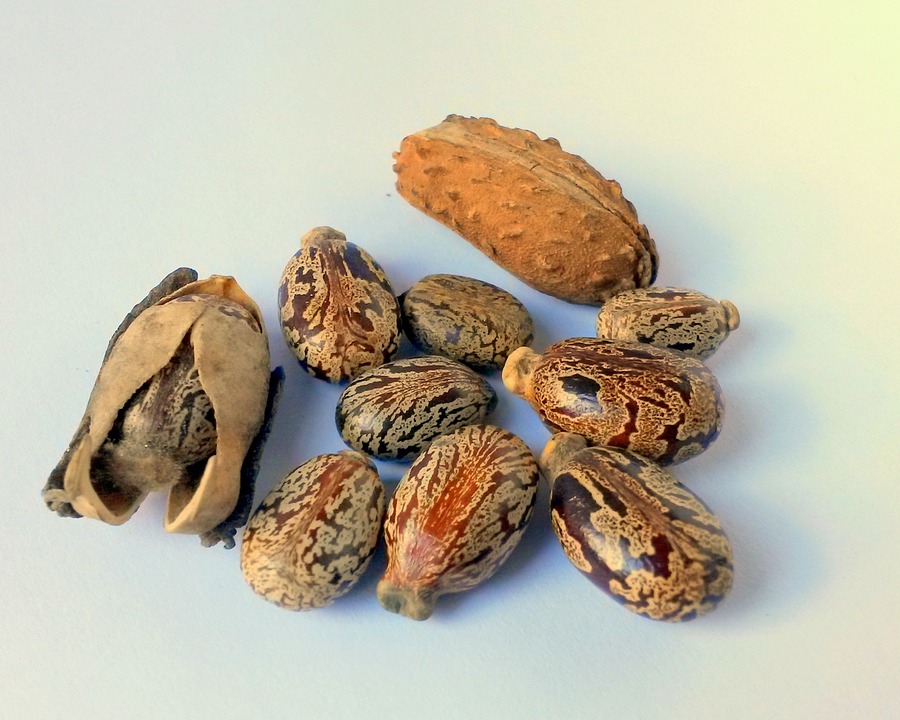
We have this kind of plant and the fruit but I never know it is good for constipation. I am afraid to try because it does not have a scientific basis that it relieved constipation. I am still sticking with the Digestic by Mimonis which is made up of herbal supplement good for constipation problem. I am already cured with this that is why I am heavily relying on it.