Using Arnica for Bruises: A Guide to Natural Relief

Learn how to apply herbal remedies like Arnica safely to reduce pain, swelling, and discoloration from bruises.

by Andreea Smiterson
1 comment
A+A-
Reset

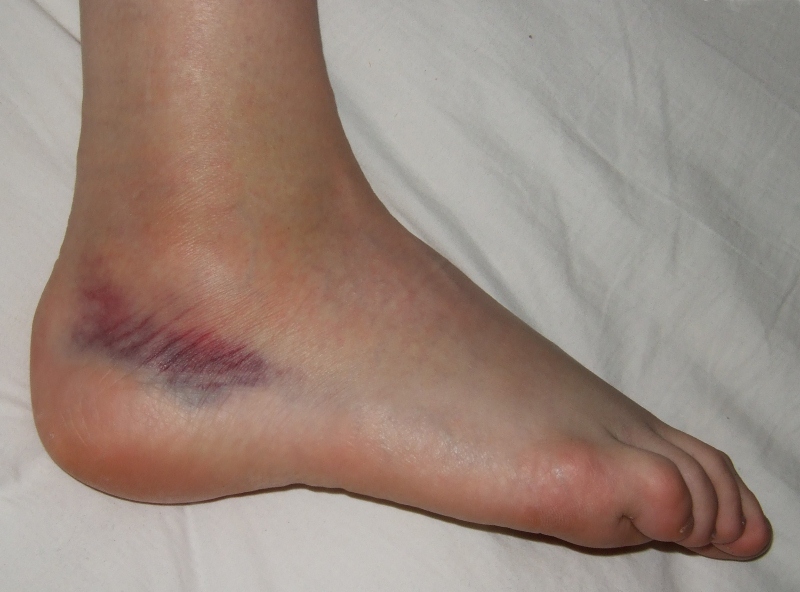
A bruise, medically known as a contusion, forms when minor trauma ruptures small blood vessels, or capillaries, under the skin. Consequently, blood leaks into the surrounding tissue, causing the characteristic pain, swelling, and discoloration. While many minor bruises heal on their own, certain evidence-based herbal remedies can support the body’s natural healing process, potentially reducing discomfort and recovery time. However, it is crucial to use these remedies correctly and safely.

This guide, written from a phytotherapy specialist’s perspective, focuses on remedies with scientific or strong traditional support, while eliminating those lacking evidence and emphasizing critical safety protocols.

natural-remedies-for-bruises

Immediate First Aid for Bruises

Before applying any herbal remedy, proper first aid is essential. For the first 24-48 hours, follow the R.I.C.E. principle to minimize swelling and bleeding under the skin:

  • Rest: Avoid strenuous activity that involves the bruised area.
  • Ice: Apply a cold pack wrapped in a towel to the bruise for 15-20 minutes at a time, several times a day. This constricts blood vessels, reducing swelling.
  • Compression: If practical, gently wrap the area with an elastic bandage to help decrease swelling.
  • Elevation: Raise the bruised limb above the level of your heart to help drain fluid away from the area.

After 48 hours, you may apply gentle warmth to increase circulation and help clear the trapped blood.

Primary Herbal Remedy: Arnica (Arnica montana)

Arnica is arguably the most well-researched and widely recognized herbal remedy for bruises, sprains, and muscle soreness. Traditionally used for centuries in European folk medicine, its efficacy is now supported by clinical observations and scientific studies.

Mechanism of Action

Arnica’s therapeutic effects are primarily attributed to sesquiterpene lactones, particularly a compound called helenalin. Research published in journals like Planta Medica suggests that these compounds exert a potent anti-inflammatory effect by inhibiting key inflammatory pathways in the body. Furthermore, Arnica may improve local blood flow, helping the body to reabsorb trapped blood and fluids more efficiently, which reduces swelling and discoloration.

Administration Protocol and Safety Limits

Parameter Guideline
Formulation Use commercially prepared topical gels, creams, or ointments containing Arnica montana extract.
Application Apply a thin layer to the affected area 2-4 times daily. Gently massage into the skin until absorbed.
Treatment Duration Use for a maximum of 7-10 consecutive days. Discontinue use if the bruise has resolved or if skin irritation occurs.
Critical Safety Rule NEVER apply to broken skin, open wounds, or mucous membranes.

Specific Biological Limitation

Arnica montana is toxic if taken internally. Ingesting the plant can cause severe gastroenteritis, heart irregularities, and dizziness. For this reason, only topical preparations should be used for bruises, and homeopathic preparations (which are highly diluted) are a separate category of treatment. The sesquiterpene lactones that are beneficial topically are the same compounds that are toxic when ingested.

Secondary Remedy: Comfrey (Symphytum officinale)

Comfrey has a long history of use as a vulnerary (a substance that promotes wound healing). It is effective for bruises and musculoskeletal injuries due to its unique chemical composition.

⚠️ WARNING – Liver Toxicity Risk with Comfrey

Comfrey contains pyrrolizidine alkaloids (PAs), which are known to be toxic to the liver (hepatotoxic) when ingested or absorbed systemically in high amounts. For this reason, oral consumption of comfrey is banned in many countries. Only use topical products made from PA-free comfrey extracts on INTACT, UNBROKEN skin for short periods.

Mechanism of Action

Comfrey’s benefits come from two key compounds:

  • Allantoin: A substance that promotes cell proliferation, helping to accelerate tissue repair.
  • Rosmarinic Acid: An anti-inflammatory and analgesic compound that helps reduce pain and swelling.

Therefore, comfrey not only helps with the inflammation of a bruise but also supports the regeneration of the damaged tissue underneath.

Administration Protocol and Safety Limits

  • Formulation: Use only commercially prepared PA-free comfrey creams or salves.
  • Application: Apply to the bruised area (unbroken skin only) 2-3 times per day.
  • Maximum Duration: Do not use for more than 10 consecutive days, and no more than 4-6 weeks total per year, as recommended by Germany’s Commission E monograph.

Contraindications and Precautions for Herbal Bruise Remedies

Absolute Contraindications

  • Open Wounds: Never apply Arnica or Comfrey to broken skin, as this increases systemic absorption and the risk of toxicity and irritation.
  • Allergies: Individuals with a known allergy to the Asteraceae/Compositae family (e.g., ragweed, daisies, marigolds) should avoid Arnica, as it may cause an allergic skin reaction.
  • Internal Use: Do not ingest topical preparations of Arnica or Comfrey.

Vulnerable Populations

  • Pregnancy and Breastfeeding: The safety of topical Arnica and Comfrey has not been established. Therefore, it is best to avoid their use during pregnancy and lactation unless approved by a healthcare provider.
  • Children: Consult a pediatrician before using these remedies on young children. Use highly diluted preparations if approved.
  • Liver Conditions: Individuals with pre-existing liver disease should avoid comfrey entirely, even in topical form.

Therapeutic Alternatives

If Arnica or Comfrey are not suitable, consider these validated alternatives:

  1. Witch Hazel (Hamamelis virginiana): A liquid extract from the witch hazel shrub is an excellent astringent. Its tannins help tighten proteins in the skin and constrict blood vessels, which can reduce swelling and limit the extent of a bruise if applied soon after injury. Simply apply the liquid extract to a cotton ball and dab it on the affected area.
  2. St. John’s Wort (Hypericum perforatum) Oil: While best known for its effects on mood, an infused oil of St. John’s Wort is traditionally used topically for nerve pain, burns, and bruises. It has anti-inflammatory properties that can soothe the pain associated with a deep bruise.
  3. Topical Vitamin K Cream: Vitamin K is essential for blood clotting. Some studies suggest that applying vitamin K cream can help the body break down and reabsorb the pooled blood more quickly, thus fading the bruise faster. This is a well-tolerated pharmacological option available in many pharmacies.

Recent Medical Research (2020-2026)

Recent research continues to validate the traditional use of these herbs. A 2021 systematic review published in the journal Pharmaceuticals reaffirmed the anti-inflammatory and analgesic effects of topical Arnica montana preparations for osteoarthritis and post-traumatic conditions like bruising. However, researchers also highlight the need for more standardized clinical trials to determine optimal dosages and formulations.

Regarding comfrey, modern research focuses on developing and verifying PA-free extracts to ensure safety while retaining the therapeutic benefits of allantoin and rosmarinic acid for musculoskeletal conditions.

Specialist’s Summary

Topical Arnica is a first-line, evidence-based phytotherapeutic option for managing common bruises in healthy adults, with moderate effects that appear within 24-48 hours. It is contraindicated for open wounds and for those with Asteraceae allergies. Comfrey is a powerful alternative for deep tissue bruising but must be a PA-free extract used only on intact skin due to a significant risk of liver toxicity. Validated alternatives like Witch Hazel offer a milder, astringent action, while St. John’s Wort oil can help with associated pain.

Frequently Asked Questions

1. How quickly does Arnica work on a bruise?
While results vary, many people notice a reduction in pain and swelling within 24 hours of consistent application. The discoloration may begin to fade more quickly than it would without treatment, typically over 2-4 days.

2. Can I make my own Arnica or Comfrey remedy at home?
This is strongly discouraged. Commercial preparations are standardized for concentration and, in the case of comfrey, are processed to be free of toxic PAs. Homemade preparations carry a high risk of incorrect dosage and toxicity.

3. What’s the difference between Arnica gel and cream?
Gels are typically water-based, non-greasy, and absorb quickly, providing a cooling sensation. Creams are thicker, more moisturizing, and may be better for dry skin. Both are effective delivery methods for the active compounds.

4. Is Arnica safe for children or during pregnancy?
No, its use is not recommended for children under 3 or during pregnancy/breastfeeding without explicit medical guidance. The risk of allergic reaction or unknown systemic effects outweighs the potential benefits in these vulnerable populations.

Sources and References

  • Kriplani, P., et al. (2017). Arnica montana L. – a plant of healing: review. Journal of Pharmacy and Pharmacology.
  • Smith, A. G., et al. (2021). The effects of topical Arnica on performance, pain and muscle damage. Pharmaceuticals.
  • European Medicines Agency (EMA). Community herbal monograph on Arnica montana L., flos.
  • Commission E Monograph. Comfrey (Symphytum officinale).

⚠️ Important Medical Information

This article is for educational and informational purposes only and is not intended as medical advice, diagnosis, or treatment. The information provided about Arnica and Comfrey is based on traditional use, preliminary research, and available scientific evidence, which may be limited.

Before using any herbal remedy:

  • Consult a qualified healthcare provider, especially if you are pregnant, breastfeeding, taking medications, or have existing health conditions like liver disease.
  • Do not use as a substitute for prescribed medications or professional medical treatment for severe injuries.
  • Individual results may vary – what works for one person may not work for another.
  • Monitor for adverse reactions, such as skin rash, and discontinue use if negative symptoms occur.


You may also like

1 comment

Gabrielle McDermott
Gabrielle McDermott April 20, 2018 - 02:42

Comfrey is great for this!

Reply

Leave a Comment