A Health-Conscious Guide to Choosing Safer Fabrics
When selecting clothing, many of us prioritize style, color, or price. However, as a phytotherapy specialist focused on how our environment interacts with our bodies, I encourage considering another crucial factor: the fabric itself. The skin is our largest organ, capable of absorbing substances it comes into contact with. Consequently, the textiles we wear daily can be a source of prolonged exposure to various industrial chemicals.
Indeed, modern textile manufacturing often utilizes a complex array of chemicals to achieve desired properties like colorfastness, wrinkle resistance, and durability. While many are benign, some have been identified as potential skin irritants, allergens, or endocrine disruptors. Therefore, understanding the materials pressed against your skin is a fundamental aspect of a holistic approach to health.
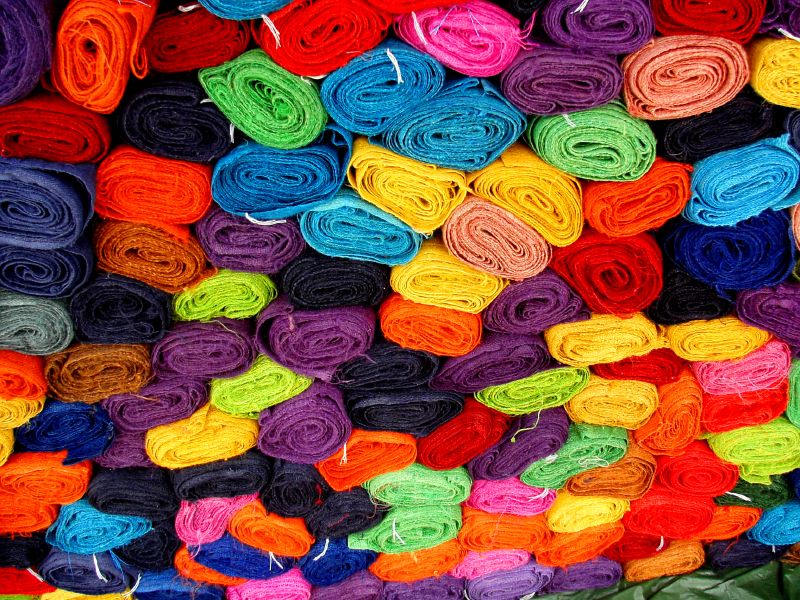
How Textile Chemicals Can Affect Your Health
Chemicals from fabrics can enter the body primarily through dermal absorption (contact with the skin) and, to a lesser extent, inhalation of volatile organic compounds (VOCs) or loose microfibers. For instance, factors like sweat and friction can increase the rate at which dyes and finishing agents leach from fabric onto the skin. Over time, this continuous, low-level exposure may contribute to various health concerns.
According to research published in journals like Contact Dermatitis, certain disperse dyes used in synthetic fabrics are well-documented causes of allergic contact dermatitis. Furthermore, other finishing agents, such as formaldehyde resins used for “wrinkle-free” properties, are known skin and respiratory irritants.
Populations at Higher Risk
While everyone can benefit from choosing safer fabrics, some individuals are more vulnerable to the effects of textile chemicals. Specifically, this includes:
- Infants and Children: Their skin is thinner and more permeable, and their body surface area to weight ratio is higher, increasing their relative exposure.
- Individuals with Skin Conditions: People with eczema (atopic dermatitis), psoriasis, or generally sensitive skin have a compromised skin barrier, which can allow for greater absorption of potential irritants.
- Individuals with Multiple Chemical Sensitivities (MCS): These individuals may experience more pronounced reactions to low levels of chemicals found in clothing.
- Pregnant Women: Due to concerns about potential fetal exposure to endocrine-disrupting chemicals, taking extra precautions is often recommended.
Common Fabrics and Chemicals of Concern
Understanding which fabrics are most likely to be treated with potentially harmful chemicals can help you make more informed choices. However, it is important to note that the final chemical load depends more on the manufacturing and finishing processes than the fiber type alone.
| Fabric Type | Potential Chemicals of Concern | Potential Health Considerations |
|---|---|---|
| Polyester | Disperse dyes (known allergens), antimony (a catalyst), PFCs (for water resistance). | Can trigger contact dermatitis; lacks breathability, which may promote bacterial growth. |
| Acrylic | Made from polyacrylonitrile, which may contain residual solvents. Often treated with flame retardants. | Can be a skin irritant for sensitive individuals. Manufacturing process is energy-intensive. |
| Nylon | Petroleum-based; often treated with synthetic dyes and finishing agents for stain resistance. | Poor moisture absorption can trap sweat and heat, potentially leading to skin irritation. |
| Rayon (Viscose) | Processing wood pulp involves harsh chemicals like carbon disulfide. | While the final fiber is cellulose, the environmental and worker safety impact of its production is a significant concern. |
| “Wrinkle-Free” Cotton | Often treated with formaldehyde-releasing resins. | Formaldehyde is a known skin irritant, allergen, and carcinogen. |
Healthier Fabric Alternatives and Certifications
Fortunately, there are many excellent fabric choices that are both comfortable and produced with fewer harsh chemicals. Moreover, looking for specific certifications can provide an extra layer of confidence.
Recommended Natural and Semi-Synthetic Fibers
- Organic Cotton: Grown without synthetic pesticides and fertilizers. It is breathable, absorbent, and soft. Look for GOTS (Global Organic Textile Standard) certification to ensure it was also processed without harmful chemicals.
- Linen: Made from the flax plant, linen is durable, breathable, and naturally moisture-wicking and antibacterial. It requires far less water and pesticides to grow than conventional cotton.
- Hemp: Similar to linen, hemp is a highly sustainable crop that produces a strong, breathable, and naturally antimicrobial fabric.
- Tencel™ (Lyocell): This is a semi-synthetic fiber made from sustainably sourced wood pulp. Manufacturers produce it in a closed-loop system that recycles water and solvents, making it an environmentally responsible choice. It is exceptionally soft, absorbent, and gentle on the skin.
- Modal: Similar to Tencel, Modal is made from beech tree pulp. It is known for its softness and resistance to shrinking and pilling.
Understanding Textile Certifications
When shopping, labels can be your guide to safer products. For this reason, familiarize yourself with these key certifications:
- GOTS (Global Organic Textile Standard): This is the leading standard for organic fibers. It ensures the product contains a minimum of 70% organic fibers and that the entire processing chain—from dyeing to finishing—adheres to strict environmental and social criteria.
- OEKO-TEX® Standard 100: This certification tests the final product for a wide range of harmful substances. If a garment carries this label, you can be confident that every component has been tested and found to be harmless for human health.
Practical Protocols for Reducing Chemical Exposure from Clothing
Beyond choosing safer fabrics, you can adopt simple habits to minimize your exposure to textile chemicals.
- Always Wash New Clothes: Wash all new garments at least once before wearing them. This simple step helps remove residual dyes, finishing chemicals like formaldehyde, and any bacteria or fungi from the manufacturing and shipping process.
- Choose Natural, Unscented Detergent: Opt for fragrance-free, dye-free laundry detergents to avoid adding another layer of potential irritants to your clothing.
- Aerate Dry-Cleaned and New Items: If you must dry-clean, or if you buy items like new shoes or a rain jacket, allow them to air out in a well-ventilated space (like a garage or covered porch) for a day or two before wearing or storing them in your closet.
- Prioritize Natural Fibers for Base Layers: For clothing that sits directly against your skin for long periods (e.g., underwear, undershirts, sleepwear), prioritize certified organic and natural fibers.
Specialist’s Summary
Choosing non-toxic fabrics is a practical way to reduce your body’s daily chemical load. Synthetic materials like polyester and acrylic, especially those with performance finishes, are more likely to carry chemical residues that can irritate the skin. In contrast, prioritizing certified natural fibers such as organic cotton, linen, and hemp, or mindfully produced semi-synthetics like Tencel™, supports both personal and environmental health. For sensitive individuals, these choices can be particularly beneficial in managing skin health and overall well-being.
Frequently Asked Questions
1. Is bamboo fabric a healthy choice?
While bamboo is a sustainable plant, the process to turn it into soft fabric (viscose) is chemically intensive, similar to rayon. Therefore, unless it is a mechanically processed “bamboo linen” (which is rare and coarse), it is not inherently better than other viscose fabrics. Look for Tencel™ (Lyocell) as a more eco-friendly and skin-friendly alternative from wood pulp.
2. Can chemicals in clothes really cause serious diseases like cancer?
The link is complex and not definitively established for most textile chemicals at consumer exposure levels. However, some substances used, like formaldehyde and certain azo dyes that can break down into carcinogenic amines, are classified as known or suspected carcinogens. The primary goal is to reduce cumulative exposure to these substances as a precautionary health measure, rather than to prevent a specific disease.
3. Are expensive clothes from big brands safer?
Not necessarily. Price and brand name do not guarantee a product is free from harmful chemicals. In fact, many fast-fashion and high-end brands use similar manufacturing facilities. The most reliable indicators of safety are third-party certifications like GOTS or OEKO-TEX®.
4. Is it safe for children and babies to wear polyester clothing?
While short-term wear is unlikely to cause harm in most children, it is not ideal for sleepwear or base layers due to its lack of breathability and potential for skin irritation. For babies and children, especially those with sensitive skin or eczema, certified organic cotton, linen, or Tencel™ are much safer and more comfortable choices.
Sources and References
This article draws upon information from environmental health organizations and peer-reviewed scientific literature. For further reading, consider:
- Scheman, A. J., et al. (2021). “Textile Dermatitis: A Practical Guide to Diagnosis and Management.” Journal of the American Academy of Dermatology.
- The Ecology Works. “Chemicals in Clothing.” Environmental Health Information.
- OEKO-TEX® Association. “STANDARD 100 by OEKO-TEX®.” Certification standards.
- Global Organic Textile Standard (GOTS). “The Standard.” Public criteria documents.
⚠️ Important Medical Information
This article is for educational and informational purposes only and is not intended as medical advice, diagnosis, or treatment. The information provided about textile chemicals is based on available scientific evidence, which may be limited.
Before making significant lifestyle changes:
- Consult a qualified healthcare provider or dermatologist, especially if you have existing health conditions like severe allergies, eczema, or multiple chemical sensitivities.
- Do not use this information as a substitute for professional medical evaluation.
- Individual reactions to fabrics and chemicals may vary – what works for one person may not work for another.
- Monitor for adverse reactions like skin rashes or irritation and consult a doctor if negative symptoms occur.



