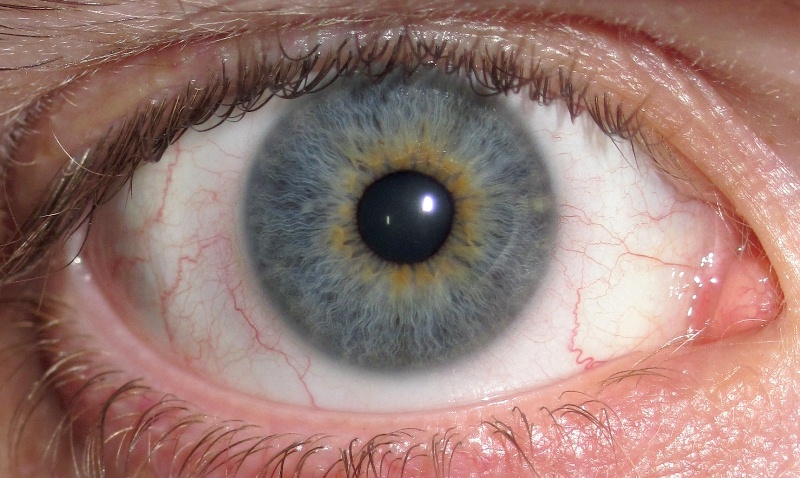
Digital Eye Strain (DES), also known as Computer Vision Syndrome (CVS), is a group of eye and vision-related problems resulting from prolonged use of digital screens. Indeed, individuals who spend several hours a day using computers, tablets, or smartphones are at a high risk of developing these symptoms. While DES does not typically cause permanent vision damage, it can lead to significant discomfort, including headaches, eye dryness, neck and shoulder pain, and temporary blurred vision.
This condition is influenced by several factors, such as screen glare, poor posture, improper viewing distances, and the inherent difficulty of focusing on pixel-based characters compared to printed text. Fortunately, combining ergonomic adjustments with targeted natural support may help alleviate these symptoms. This article provides five evidence-based ergonomic strategies and explores the role of phytotherapy in supporting visual health.

Foundational Ergonomic Strategies for Eye Health
Before considering any supplement, implementing proper ergonomic habits is the first and most crucial step in managing Digital Eye Strain. These practical adjustments can significantly reduce the physical stress on your eyes.
1. Implement the 20-20-20 Rule
One of the most effective ways to combat eye fatigue is to give your eyes regular breaks. Therefore, follow the 20-20-20 rule: every 20 minutes, take a 20-second break to look at something at least 20 feet away. This simple practice allows your eye muscles to relax, reducing the strain of constant close-up focus.
2. Optimize Your Monitor Position
Proper screen placement is essential for maintaining a comfortable posture and viewing angle. For this reason, position your computer monitor so the center of the screen is about 4-5 inches below your eye level. Additionally, you should place the monitor at least 20-28 inches (an arm’s length) away from your eyes. A slight downward tilt of about 10-15 degrees can also enhance viewing comfort.
3. Consciously Increase Your Blink Rate
When staring at a screen, people tend to blink less frequently—sometimes as little as half their normal rate. Blinking is crucial because it spreads tears across the eye’s surface, keeping it moist and clear. Consequently, making a conscious effort to blink often can prevent the dryness and itchy sensation associated with prolonged screen use.
4. Reduce Screen Glare
Glare from light sources reflecting off your screen is a major contributor to eye strain. To minimize this, position your monitor away from direct sunlight or bright overhead lighting. Furthermore, you can use low-wattage light bulbs in your workspace and consider applying an anti-glare screen filter to your monitor for added protection.
5. Adjust Screen Brightness and Contrast
An improperly adjusted screen can force your eyes to work harder. The ideal brightness level should match the ambient lighting in your room. A good way to test this is to look at a white background on your screen; if it looks like a light source, it’s too bright. Conversely, if it appears dull and grey, it may be too dark. Adjusting the contrast and text size can also improve readability and reduce strain.
Phytotherapeutic Support: The Role of Bilberry (Vaccinium myrtillus)
In addition to ergonomic changes, certain botanicals may offer supportive benefits for eye health. Bilberry, a relative of the blueberry, has a long history of traditional use for vision support, famously associated with British Royal Air Force pilots in WWII who consumed it to improve night vision.
Modern research focuses on its rich content of anthocyanosides, potent antioxidants that give the berry its deep color. These compounds are believed to support visual function by protecting the delicate structures of the retina from oxidative stress and improving microcirculation to the eyes.
According to a systematic review published in the Journal of Ophthalmic & Vision Research, anthocyanins may help reduce symptoms of eye fatigue by improving blood flow and supporting the regeneration of rhodopsin, a pigment in the retina essential for low-light vision.
Administration Protocol and Safety Limits
When considering Bilberry as a supplement, it is crucial to follow proper dosing and safety guidelines. Always use a standardized extract to ensure a consistent and therapeutic dose of active compounds.
- Standard Dosage: A typical dose for a healthy adult is 80-160 mg of standardized Bilberry extract, taken 1-2 times daily. The extract should be standardized to contain 25% anthocyanosides.
- Treatment Duration: For managing eye strain, a course of 4-6 weeks is often recommended.
- Mandatory Break: It is advisable to take a break of at least 2 weeks between treatment cycles.
- Administration: Take the supplement with meals to enhance absorption and minimize potential gastrointestinal upset.
Overdose Risk: While generally safe, exceeding recommended doses for prolonged periods is not advised. High doses have not been studied extensively for long-term safety.
Specific Biological Limitation
Bilberry’s primary mechanism involves antioxidant protection and microcirculatory support. Its active compounds, anthocyanosides, help neutralize free radicals that can damage retinal cells and may improve blood flow to the tiny capillaries in the eye. However, it is important to understand that Bilberry is not a cure for underlying eye diseases like glaucoma, cataracts, or macular degeneration, nor can it correct refractive errors that require glasses or contact lenses. Its role is supportive, aimed at reducing functional strain and fatigue.
Contraindications and Precautions
Despite its benefits, Bilberry is not suitable for everyone. Always consult a healthcare provider before starting any new supplement.
- Absolute Contraindications: Individuals with a known allergy to Bilberry or other plants in the Vaccinium family should avoid it.
- Vulnerable Populations:
- Pregnancy and Breastfeeding: There is insufficient safety data; therefore, its use is not recommended.
- Children: Consult a pediatrician before giving Bilberry supplements to children.
- Major Drug Interactions:
- Anticoagulants and Antiplatelet Drugs (e.g., Warfarin, Aspirin): Bilberry may have a mild blood-thinning effect, potentially increasing the risk of bleeding when combined with these medications. This interaction is based on the theoretical effect of anthocyanins on platelet aggregation.
- Documented Adverse Effects: Side effects are rare at recommended doses but may include mild digestive upset.
Therapeutic Alternatives
If Bilberry is not suitable for you, other botanicals and nutrients offer science-backed support for eye health:
- Marigold Extract (Tagetes erecta): This is a primary source of lutein and zeaxanthin, two carotenoids that accumulate in the macula of the eye. They act as a natural filter for high-energy blue light from screens and have potent antioxidant properties.
- Ginkgo Biloba: Known for its ability to enhance microcirculation throughout the body, Ginkgo may help improve blood flow to the retina and optic nerve, which is beneficial for overall eye health.
- Saffron (Crocus sativus): Emerging research suggests that saffron’s active compounds, crocin and crocetin, have protective effects on retinal cells and may help improve visual function.
Note: Each alternative has its own unique profile of benefits, contraindications, and potential drug interactions.
Recent Medical Research (2020-2026)
Recent studies continue to explore the benefits of anthocyanin-rich extracts for eye health. A 2021 study published in the journal Nutrients found that supplementation with a blackcurrant extract (another rich source of anthocyanins) significantly reduced objective and subjective measures of eye fatigue in individuals performing prolonged visual display terminal tasks. Furthermore, a 2022 meta-analysis in Frontiers in Nutrition concluded that anthocyanin supplementation has a positive effect on relieving symptoms of asthenopia (eye strain).
Current Limitations: While promising, much of the research is on anthocyanins as a class rather than exclusively on Bilberry. More large-scale, long-term human clinical trials are needed to establish definitive treatment protocols for Digital Eye Strain.
Specialist’s Summary
Bilberry extract is a useful phytotherapeutic support for managing symptoms of Digital Eye Strain, primarily due to the antioxidant and microcirculatory effects of its anthocyanosides. Its effects are supportive and typically appear after several weeks of consistent use. However, it is contraindicated for those on blood-thinning medications and lacks safety data for use during pregnancy. Validated alternatives like Marigold extract (for blue light protection) and Ginkgo (for circulation) offer different mechanisms of action for comprehensive eye support.
Frequently Asked Questions
1. How long does it take for Bilberry to help with eye strain?
While individual results vary, some studies suggest that benefits for eye fatigue may be noticeable after 4-6 weeks of consistent daily supplementation with a standardized extract.
2. Can I get the same benefits from eating blueberries?
Blueberries contain anthocyanins, but Bilberries typically have a much higher concentration. To achieve a therapeutic dose, you would need to consume a very large quantity of blueberries. Therefore, a standardized Bilberry extract is a more practical and reliable way to obtain a consistent dose of the active compounds.
3. Is Bilberry safe to take with my other medications?
The most significant concern is with anticoagulant and antiplatelet drugs (blood thinners) due to a potential increased risk of bleeding. Always consult your healthcare provider or a pharmacist to review all your medications and supplements for potential interactions before starting Bilberry.
4. Is Bilberry safe for children or during pregnancy?
No, its use is not recommended. There is insufficient scientific evidence to establish its safety for children or during pregnancy and breastfeeding. The potential risks are unknown, so it is best to avoid it in these populations.
Sources and References
Recent Studies (2020-2026):
- Kawabata, F., & Tsuji, T. (2021). Effects of blackcurrant anthocyanin intake on visual function and eye fatigue in workers using visual display terminals. Nutrients. https://www.mdpi.com/2072-6643/13/11/4165
- Gao, Y., et al. (2022). The effect of anthocyanin supplementation on asthenopia: A systematic review and meta-analysis. Frontiers in Nutrition. https://www.frontiersin.org/articles/10.3389/fnut.2022.912204/full
Official Monographs:
- European Medicines Agency (EMA). (2015). European Union herbal monograph on Vaccinium myrtillus L., fructus recens. EMA Monograph
⚠️ Important Medical Information
This article is for educational and informational purposes only and is not intended as medical advice, diagnosis, or treatment. The information provided about Bilberry (Vaccinium myrtillus) is based on traditional use, preliminary research, and available scientific evidence, which may be limited.
Before using Bilberry:
- Consult a qualified healthcare provider, especially if you are pregnant, breastfeeding, taking medications (particularly blood thinners), or have existing health conditions.
- Do not use as a substitute for prescribed medications or professional medical treatment for eye diseases.
- Individual results may vary – what works for one person may not work for another.
- Monitor for adverse reactions and discontinue use if negative symptoms occur.