Tarragon (Artemisia dracunculus), also known as estragon or dragon’s wort, is a perennial herb prized for its aromatic leaves with a distinctive anise-like flavor. While a staple in French cuisine, its history extends deep into traditional Persian and European medicine. Historically, practitioners used tarragon for everything from digestive complaints to pain relief.
However, beyond its culinary appeal, modern science is beginning to investigate the plant’s therapeutic potential. This article, written from a phytotherapy perspective, will explore the evidence-based benefits of tarragon, explain its mechanisms of action, and provide critical safety protocols for its use. It is crucial to distinguish between the occasional use of tarragon as a spice and its concentrated use as a medicinal remedy.

Evidence-Based Health Benefits of Tarragon
While traditional medicine ascribed numerous properties to tarragon, modern research has focused on a few key areas. The unsubstantiated claims, such as improving hair volume or treating dandruff, lack scientific support and have been omitted here in favor of benefits with preliminary or established evidence.
1. May Support Digestive Health and Appetite
Traditionally, herbalists used tarragon as a digestive aid and an aperitif to stimulate a poor appetite. This effect is attributed to its bitter compounds, which can trigger the release of saliva and bile. Consequently, this action helps prepare the digestive system for food and supports the breakdown of fats.
Furthermore, research suggests that compounds in tarragon may help optimize gut function. According to a review published in the Journal of Traditional and Complementary Medicine, various Artemisia species have been historically used to alleviate digestive issues, and tarragon shares some of these properties.
2. Potential for Blood Sugar Regulation
One of the most promising areas of tarragon research is its effect on blood sugar and insulin sensitivity. Specifically, Russian Tarragon extract has been the subject of several clinical studies. For instance, research indicates that it may enhance insulin signaling pathways, potentially helping cells utilize glucose more effectively.
A study published in the Journal of Medicinal Food found that an aqueous extract of tarragon improved insulin sensitivity in subjects with impaired glucose tolerance. Therefore, it may serve as a complementary support for metabolic health, but it is not a replacement for medical treatment for diabetes.
3. Natural Relief for Tooth and Gum Discomfort
Tarragon’s traditional use for toothaches is well-supported by its chemical composition. The herb contains a significant amount of eugenol, the same compound that gives cloves their anesthetic properties. Eugenol acts as a topical analgesic, providing temporary numbing relief from dental pain.
In addition, tarragon possesses antimicrobial properties that can help reduce the bacterial load in the mouth. Chewing on a fresh leaf or applying a concentrated infusion may help soothe inflamed gums and create a cleaner oral environment. However, this should not replace standard dental hygiene or professional care.
4. May Promote Restful Sleep and Reduce Anxiety
Herbal traditions have long valued tarragon for its calming effects on the nervous system. While robust clinical trials in humans are limited, its use as a mild sedative to combat insomnia and anxiety persists. This effect is thought to be related to its ability to modulate neurotransmitter activity, inducing a state of relaxation.
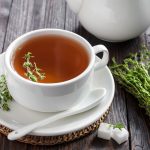
For this reason, a warm cup of tarragon tea before bedtime is a common folk remedy for those struggling with restlessness. It is considered a gentle nervine, helping to calm the mind without the significant side effects associated with pharmaceutical sleeping aids.
5. Rich Source of Antioxidants
Tarragon is rich in polyphenolic compounds and other antioxidants that help protect the body from oxidative stress caused by free radicals. Oxidative stress is linked to chronic inflammation and a host of age-related diseases. Including antioxidant-rich herbs like tarragon in the diet contributes to overall cellular health.
While culinary amounts provide a modest benefit, the concentration of these compounds is higher in medicinal preparations. Importantly, this antioxidant activity supports the herb’s other therapeutic effects, such as protecting cardiovascular health.
Administration Protocol and Safety Limits
Medicinal use of tarragon requires stricter guidelines than culinary use due to the concentration of active compounds, particularly estragole.
| Form | Dosage and Instructions |
| Dried Herb Infusion (Tea) | 1-2 teaspoons (2-4 grams) of dried leaves per cup (240 ml) of boiling water. Steep for 10-15 minutes. Consume 1-2 cups per day, preferably after meals. |
| Tincture (1:5) | Consult a qualified herbalist for appropriate dosing, as concentrations vary. A general guideline is 1-2 ml, up to three times daily. |
- Treatment Duration: Medicinal use of tarragon should be short-term. Limit continuous use to a maximum of 2-3 weeks.
- Mandatory Break: Take a break of at least 2 weeks between treatment cycles to minimize potential risks associated with estragole.
- Maximum Daily Dose: Do not exceed 6 grams of dried herb per day for a healthy adult.
- Overdose Risk: Exceeding recommended doses over a prolonged period may increase the risk of adverse effects related to estragole.
Specific Biological Limitation: The Estragole Concern
Tarragon’s primary safety concern stems from its main volatile compound, estragole (also known as methyl chavicol). While it contributes to the herb’s characteristic aroma, high concentrations of estragole have raised health questions.
Mechanism of Risk: In animal studies, very high doses of isolated estragole have been shown to be genotoxic (damaging to DNA) and carcinogenic. The European Medicines Agency (EMA) advises limiting exposure to estragole. For this reason, long-term, high-dose consumption of tarragon, especially in concentrated forms like essential oils, is strongly discouraged. Culinary use is generally considered safe due to the small quantities consumed.
Contraindications and Precautions
Before using tarragon for medicinal purposes, it is essential to consult a healthcare provider. The following contraindications must be observed.
- Pregnancy and Breastfeeding: Tarragon is strictly contraindicated. As a member of the Artemisia genus, it may have emmenagogue properties (stimulating menstrual flow) and could pose a risk to the pregnancy. Furthermore, estragole’s safety for a developing fetus or infant has not been established.
- Children: Medicinal use is not recommended for children under 12 years of age due to a lack of safety data.
- Allergies: Individuals with allergies to the Asteraceae (daisy) family, which includes ragweed, chrysanthemums, and marigolds, may have a cross-reaction to tarragon.
- Bleeding Disorders: Tarragon may slow blood clotting. Therefore, it should be avoided by individuals with bleeding disorders or those scheduled for surgery.
Major Drug Interactions
- Anticoagulants/Antiplatelet Drugs (e.g., Warfarin, Aspirin): Tarragon may increase the risk of bleeding when combined with these medications.
- Diabetes Medications: Due to its potential to lower blood sugar, combining tarragon with antidiabetic drugs could lead to hypoglycemia (dangerously low blood sugar). Monitor blood glucose levels closely if used together under medical supervision.
Therapeutic Alternatives
If tarragon is not suitable for you, several other botanicals with strong scientific backing can be considered for similar benefits.
- For Digestive Support: Gentian Root (Gentiana lutea) is a powerful bitter that robustly stimulates bile and gastric juices, making it excellent for poor appetite and sluggish digestion.
- For Blood Sugar Regulation: Cinnamon (Cinnamomum verum) has been extensively studied for its ability to improve insulin sensitivity and help manage blood glucose levels.
- For Dental Pain: Clove Oil (Syzygium aromaticum) is the most direct alternative, as it is the primary source of eugenol and is widely used in dentistry for its potent anesthetic effects.
- For Sleep and Anxiety: Lemon Balm (Melissa officinalis) is a well-researched nervine that calms the nervous system, reduces anxiety, and promotes sleep without the safety concerns of estragole.
Recent Medical Research (2020-2026)
Recent studies continue to explore the metabolic effects of tarragon. A 2021 study in the journal Nutrients investigated the effects of Russian Tarragon extract on muscle cells, highlighting its potential role in glucose uptake and energy metabolism. This reinforces its potential as a supportive agent for metabolic health. However, researchers agree that more large-scale human trials are needed to establish definitive clinical guidelines and confirm long-term safety.
Specialist’s Summary
Tarragon is a valuable culinary herb with modest, evidence-based potential for supporting digestion, regulating blood sugar, and providing mild dental relief. Its medicinal use is significantly limited by the presence of estragole, making it unsuitable for long-term administration, pregnancy, or use in children. For targeted therapeutic action, validated alternatives like Gentian for digestion or Lemon Balm for sleep are often safer and more effective choices.
Frequently Asked Questions
1. Is it safe to use tarragon every day?
For culinary purposes, using small amounts of fresh or dried tarragon in food is generally considered safe. However, daily medicinal use (e.g., as a tea or tincture) is not recommended for more than 2-3 consecutive weeks due to concerns about estragole accumulation.
2. What is the difference between French and Russian tarragon?
French tarragon (Artemisia dracunculus var. sativa) has a superior, more delicate anise flavor and is preferred for cooking; it rarely flowers and must be propagated from cuttings. Russian tarragon (A. dracunculus var. inodora) is hardier and can be grown from seed, but its flavor is much milder and less complex. Most metabolic research has been conducted on Russian tarragon extract.
3. Can tarragon help treat diabetes?
No. While some studies suggest tarragon may help support blood sugar regulation and improve insulin sensitivity, it is not a treatment or cure for diabetes. It should never be used to replace prescribed medications. If you have diabetes, consult your doctor before using tarragon medicinally, as it may interact with your medication.
4. Is Tarragon safe during pregnancy?
No, tarragon is strictly contraindicated during pregnancy and breastfeeding. It belongs to the Artemisia family, some members of which can stimulate uterine contractions. The primary compound, estragole, also lacks safety data for fetal development and is best avoided.
Sources and References
- Dehghani, S., et al. (2021). The Effect of Artemisia dracunculus L. (Tarragon) on the Expression of Genes Related to Glucose Transport and Insulin Resistance in C2C12 Myotubes. Nutrients, 13(4), 1195. https://www.mdpi.com/2072-6643/13/4/1195
- Ribnicky, D. M., et al. (2014). An extract of Artemisia dracunculus L. enhances insulin receptor signaling and modulates gene expression in skeletal muscle in vitro. Metabolism, 63(1), 115-125.
- European Medicines Agency (EMA). (2014). Public statement on the use of herbal medicinal products containing estragole. EMA/HMPC/137212/2005 Rev 1.
⚠️ Important Medical Information
This article is for educational and informational purposes only and is not intended as medical advice, diagnosis, or treatment. The information provided about Tarragon is based on traditional use, preliminary research, and available scientific evidence, which may be limited.
Before using Tarragon:
- Consult a qualified healthcare provider, especially if you are pregnant, breastfeeding, taking medications, or have existing health conditions like diabetes or bleeding disorders.
- Do not use as a substitute for prescribed medications or professional medical treatment.
- Individual results may vary – what works for one person may not work for another.
- Monitor for adverse reactions and discontinue use if negative symptoms occur.