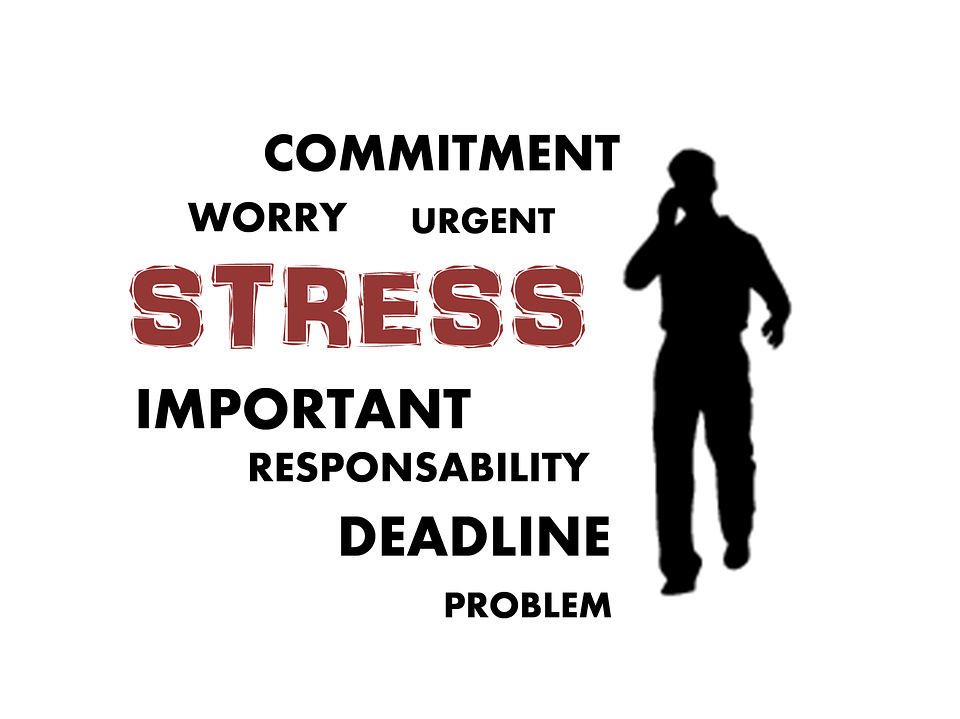
Recognizing Hidden Stress: A Phytotherapist’s Guide to Natural Support

Learn to identify the subtle symptoms of chronic stress and discover how herbs like Ashwagandha and Lemon Balm can help restore balance.

by Andreea Smiterson
0 comments
A+A-
Reset

Modern life often normalizes stress, making it difficult to recognize when it has shifted from a temporary challenge to a chronic physiological state. As a phytotherapy specialist, I observe that many health issues are rooted in an overactive stress response. Chronic stress is not merely a feeling; it is a cascade of hormonal changes, primarily driven by cortisol, that can silently undermine your well-being. Recognizing the subtle physical and mental signs is the first step toward restoring balance.

This guide will help you identify these hidden symptoms and explore evidence-based herbal support to help manage the body’s response to stress. Furthermore, it will provide clear safety protocols for using these botanicals effectively.

signs-youre-overstressed

1. Persistent Body Aches and Lowered Immunity

One of the first ways chronic stress manifests physically is through unexplained pain and frequent illness. When the body is in a constant “fight-or-flight” mode, it produces high levels of cortisol. Initially, cortisol is anti-inflammatory, but prolonged exposure can lead to cortisol resistance, paradoxically promoting systemic inflammation. Consequently, this can manifest as tense muscles, chronic headaches, joint pain, and even flare-ups of conditions like arthritis.

Moreover, this same hormonal imbalance can suppress key components of your immune system, leaving you more susceptible to common infections. If you find yourself catching every cold that goes around, it may be a sign that stress is compromising your defenses.

Herbal Spotlight: Ashwagandha (Withania somnifera)

Ashwagandha is a cornerstone of Ayurvedic medicine, classified as an adaptogen. Adaptogens are substances that may help the body adapt to physiological and psychological stress, promoting balance in the hypothalamic-pituitary-adrenal (HPA) axis—the body’s central stress response system. Research suggests that withanolides, the active compounds in Ashwagandha, help modulate cortisol levels. For instance, a study published in the Journal of Ethnopharmacology found that Ashwagandha root extract significantly reduced cortisol levels and self-reported stress scores in chronically stressed adults.

2. Disrupted Sleep Patterns and Racing Thoughts

Difficulty falling asleep, waking up multiple times during the night, or feeling exhausted even after a full night’s rest are classic signs of an overstressed system. High evening cortisol levels can interfere with the production of melatonin, the hormone that regulates sleep-wake cycles. This often creates a vicious cycle: stress causes poor sleep, and poor sleep worsens the body’s ability to cope with stress.

This state is frequently accompanied by “worry sessions” at night, where the mind races and is unable to shut down. This mental hyperactivity is a direct symptom of an overstimulated nervous system.

Herbal Spotlight: Lemon Balm (Melissa officinalis)

Lemon Balm is a gentle but effective nervine herb with a long history of use in traditional European medicine for calming the nerves and promoting sleep. Its therapeutic action is linked to its ability to increase levels of GABA (gamma-aminobutyric acid), a primary inhibitory neurotransmitter in the brain. According to research, including a 2022 review in Phytotherapy Research, rosmarinic acid in Lemon Balm inhibits an enzyme that breaks down GABA, leading to increased GABA availability. This results in a calming effect, reduced anxiety, and improved sleep onset.

3. Unexplained Weight Fluctuations and Digestive Issues

Have you noticed your weight changing without a significant shift in your diet or exercise routine? Stress can profoundly impact your metabolism. Elevated cortisol can increase appetite, particularly for high-calorie, high-sugar foods, and it also promotes the storage of visceral fat around the abdomen. Conversely, for some individuals, intense stress can suppress appetite, leading to unintended weight loss.

Furthermore, the gut is often called the “second brain” due to its intimate connection with the central nervous system. Stress can disrupt gut motility, leading to symptoms like diarrhea, constipation, bloating, and stomach ulcers.

4. Mental Fog and Heightened Irritability

If you find yourself unable to focus, constantly misplacing things, or feeling perpetually “on edge,” chronic stress may be the culprit. The prefrontal cortex, responsible for executive functions like concentration and decision-making, is highly sensitive to the effects of stress hormones. Prolonged exposure can impair its function, leading to what is commonly described as “brain fog.”

Simultaneously, an overtaxed nervous system lowers your threshold for patience. Small annoyances can trigger disproportionate reactions, leading to mood swings and increased irritability with colleagues, friends, and family.

Administration Protocol and Safety Limits

When using herbal support, proper administration is crucial for both efficacy and safety. Always start with the lowest effective dose and consult a healthcare provider.

Herb Administration Protocol
Ashwagandha (Withania somnifera)
  • Dosage: 300-600 mg of a standardized root extract (containing 1.5-5% withanolides) daily, often split into two doses.
  • Timing: Take with meals to prevent potential stomach upset.
  • Duration: Typically used for cycles of 8-12 weeks, followed by a 4-week break.
  • Maximum Dose: Do not exceed 1,200 mg per day without professional guidance.
Lemon Balm (Melissa officinalis)
  • Dosage: 300-600 mg of a standardized extract once or twice daily. For tea, infuse 1.5-4.5 grams of dried leaves in 150 ml of hot water, 2-3 times per day.
  • Timing: Take in the evening for sleep support or during the day for anxiety.
  • Duration: Use for 4-6 weeks, followed by a 2-week break to maintain efficacy.
  • Maximum Dose: High doses may cause excessive drowsiness. Do not exceed 1,800 mg of extract per day.

Specific Biological Limitation

Understanding how these herbs interact with your body’s systems is key to safe usage.

  • Ashwagandha and Thyroid Function: Ashwagandha contains compounds that may increase the conversion of thyroxine (T4) to triiodothyronine (T3), potentially raising thyroid hormone levels. While this may be beneficial for some with subclinical hypothyroidism (under medical supervision), it is dangerous for individuals with hyperthyroidism or Graves’ disease, as it can exacerbate their condition.
  • Lemon Balm and Thyroid Function: Lemon Balm has been shown in some studies to potentially inhibit Thyroid Stimulating Hormone (TSH) from binding to its receptors. This action could theoretically interfere with the function of the thyroid gland, posing a risk for individuals with hypothyroidism or those taking thyroid replacement medication.

Contraindications and Precautions

Absolute Contraindications (Do Not Use)

  • Ashwagandha: Avoid if you have hyperthyroidism, an active autoimmune condition (e.g., rheumatoid arthritis, lupus, Hashimoto’s thyroiditis), or are taking immunosuppressant medication. Discontinue use at least two weeks before scheduled surgery.
  • Lemon Balm: Avoid if you have hypothyroidism unless approved by your endocrinologist.

Vulnerable Populations

  • Pregnancy and Breastfeeding: Both herbs are contraindicated. Ashwagandha has abortifacient properties in high doses, and safety data for both herbs during lactation is insufficient.
  • Children: Use should be supervised by a qualified healthcare practitioner.

Major Drug Interactions

  • Ashwagandha: May interact with thyroid medications, sedatives (barbiturates, benzodiazepines), and immunosuppressants.
  • Lemon Balm: Can potentiate the effects of sedatives, alcohol, and other central nervous system depressants. May interfere with thyroid medications.

Therapeutic Alternatives

If Ashwagandha or Lemon Balm are not suitable for you, other well-researched botanicals may offer support:

  1. Rhodiola (Rhodiola rosea): An adaptogen known for combating stress-related fatigue and improving mental performance. It tends to be more energizing than Ashwagandha, making it suitable for those experiencing burnout and exhaustion.
  2. Passionflower (Passiflora incarnata): A nervine with strong anxiolytic (anti-anxiety) properties. It is particularly effective for calming a racing mind and promoting sleep, working through the GABA system similarly to Lemon Balm.
  3. Schisandra (Schisandra chinensis): An adaptogen from Traditional Chinese Medicine that supports overall vitality, enhances cognitive function under stress, and offers protective benefits for the liver.

Recent Medical Research (2020-2026)

Modern science continues to validate the traditional uses of these herbs for stress management.

  • A 2021 meta-analysis published in Phytomedicine reviewed multiple randomized controlled trials and concluded that Ashwagandha supplementation provides a significant benefit in reducing perceived stress and anxiety compared to placebo.
  • A 2022 systematic review in the journal Nutrients highlighted the efficacy of Lemon Balm in improving anxiety and depression-related symptoms, confirming its role as a potent modulator of mood.

However, researchers note that more long-term studies are needed to establish definitive dosage guidelines and fully understand the long-term effects and potential interactions of these herbs.

Specialist’s Summary

Ashwagandha is a valuable adaptogen for modulating the physiological stress response, particularly by regulating cortisol, with effects often appearing after several weeks of consistent use. Lemon Balm acts more quickly as a nervine to calm anxiety and improve sleep. Both are contraindicated during pregnancy and have important interactions with thyroid function and sedative medications. Validated alternatives include the energizing adaptogen Rhodiola for fatigue and the calming nervine Passionflower for acute anxiety.

Frequently Asked Questions

1. How long does it take for adaptogens like Ashwagandha to work?
Unlike pharmaceuticals, adaptogens work gradually to restore balance. While some subtle effects may be noticed within two weeks, most clinical studies show significant improvements in stress and anxiety scores after 6 to 12 weeks of consistent daily use.

2. Can I take Lemon Balm during the day for anxiety?
Yes, lower doses of Lemon Balm (e.g., 300 mg) can be taken during the day to ease anxiety without causing significant drowsiness for most people. However, it’s best to first try it at home to see how it affects you before driving or operating machinery.

3. Are these herbs addictive?
No. Neither Ashwagandha nor Lemon Balm is considered addictive. They do not create physical dependence. However, it is good practice to cycle their use (e.g., 3 months on, 1 month off) to maintain the body’s sensitivity to their effects.

4. Is it safe to use these herbs during pregnancy or while breastfeeding?
No. Both Ashwagandha and Lemon Balm are contraindicated during pregnancy and breastfeeding. Ashwagandha has been traditionally associated with miscarriage risk in high doses, and there is insufficient safety data for both herbs to be considered safe for the developing fetus or infant.

Sources and References

  1. Lopresti, A. L., Smith, S. J., Malvi, H., & Kodgule, R. (2019). An investigation into the stress-relieving and pharmacological actions of an ashwagandha (Withania somnifera) extract. Medicine, 98(37).
  2. Salve, J., Pate, S., Debnath, K., & Langade, D. (2019). Adaptogenic and Anxiolytic Effects of Ashwagandha Root Extract in Healthy Adults: A Double-blind, Randomized, Placebo-controlled Clinical Study. Cureus, 11(12), e6466.
  3. Ghazizadeh, J., Sadigh-Eteghad, S., Marx, W., Fakhari, A., et al. (2021). The effects of lemon balm (Melissa officinalis L.) on depression and anxiety in clinical trials: A systematic review and meta-analysis. Phytotherapy Research, 35(12), 6690-6705.
  4. World Health Organization. (2007). WHO Monographs on Selected Medicinal Plants – Volume 3. [Monograph on Melissa officinalis].

⚠️ Important Medical Information

This article is for educational and informational purposes only and is not intended as medical advice, diagnosis, or treatment. The information provided about Ashwagandha and Lemon Balm is based on traditional use, preliminary research, and available scientific evidence, which may be limited.

Before using Ashwagandha or Lemon Balm:

  • Consult a qualified healthcare provider, especially if you are pregnant, breastfeeding, taking medications, or have existing health conditions like thyroid or autoimmune disorders.
  • Do not use as a substitute for prescribed medications or professional medical treatment.
  • Individual results may vary – what works for one person may not work for another.
  • Monitor for adverse reactions and discontinue use if negative symptoms occur.


You may also like

Leave a Comment