At times, you may experience periods of mental fog or feel that your cognitive performance is not at its peak. This feeling of being intellectually “stuck” is a common experience. However, it is important to understand that the brain is not a static organ; it is highly dynamic and capable of change throughout life, a concept known as neuroplasticity. Therefore, by incorporating specific, evidence-based activities into your daily routine, you can actively support and enhance your brain’s function. Your brain, much like a muscle, benefits from consistent exercise, proper nourishment, and adequate rest.
This article provides a phytotherapy specialist’s perspective on four key lifestyle pillars that research suggests can reinforce cognitive health.

1. Engage in Regular Aerobic Exercise
Physical activity is one of the most effective ways to support brain health. Specifically, aerobic exercises like running, brisk walking, cycling, or swimming significantly improve blood flow to the brain. Consequently, this increased circulation delivers essential oxygen and nutrients required for optimal neuronal function.
Furthermore, the benefits extend beyond simple circulation. Research published in journals like Neuroscience & Biobehavioral Reviews indicates that aerobic exercise stimulates the production of Brain-Derived Neurotrophic Factor (BDNF). Indeed, BDNF is a crucial protein that supports the survival of existing neurons and encourages the growth and differentiation of new neurons and synapses. In essence, it acts as a fertilizer for the brain, promoting plasticity and resilience.
Activities that require coordination and spatial awareness, such as trail running or dancing, provide an additional cognitive challenge, helping to form new neural connections and strengthen existing ones.
2. Embrace Lifelong Learning
To maintain mental sharpness, you must consistently challenge your brain. Engaging in novel and complex activities is a powerful form of cognitive exercise. For instance, learning a new language, picking up a musical instrument, or even mastering a new dance style forces your brain to create and fortify new neural pathways.
This process builds what neuroscientists call “cognitive reserve.” A higher cognitive reserve may help the brain better withstand age-related changes and pathologies, potentially delaying the onset of cognitive decline. The key is to choose activities that are both mentally stimulating and enjoyable, ensuring long-term engagement. In addition, this sustained mental effort keeps your mind actively engaged, which is fundamentally beneficial for this complex organ.
3. Practice Mindful Stress Reduction
Chronic stress can have a detrimental impact on the brain. Elevated levels of the stress hormone cortisol can impair the brain’s ability to learn, form new memories, and engage in creative thought. Over time, chronic stress can even lead to structural changes in the brain, such as shrinkage of the prefrontal cortex (involved in decision-making) and enlargement of the amygdala (the brain’s fear center).
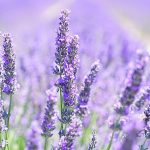
For this reason, incorporating stress-reduction techniques is vital. Meditation is a well-researched practice that has been shown to counteract these effects. It can help clear the mind and reduce mental clutter. You can practice it almost anywhere you find a quiet space. Other effective methods include listening to calming music, practicing yoga, or engaging in aromatherapy with calming essential oils like Lavender (Lavandula angustifolia). These activities help regulate the stress response, promoting a healthier internal environment for your brain.
4. Adopt a Neuroprotective Diet and Phytotherapy
Proper nutrition provides the fundamental building blocks for brain health. A diet rich in specific nutrients and plant compounds can protect against oxidative stress and inflammation, two key drivers of cognitive aging.
Essential Nutrients for the Brain
A brain-healthy diet should prioritize specific compounds. For example, flavonoids—plant pigments with potent antioxidant properties—are crucial. You can find them in foods like dark berries, dark chocolate, citrus fruits, and green tea. Additionally, Omega-3 fatty acids, particularly DHA, are structural components of brain cell membranes and have strong anti-inflammatory effects. Excellent sources include fatty fish (salmon, sardines), walnuts, flaxseeds, and tofu.
Phytotherapeutic Support with Rosemary (Rosmarinus officinalis)
Traditionally known as the “herb of remembrance,” Rosemary has been used for centuries to support memory and concentration. Modern research is beginning to validate this use, attributing its effects to compounds like carnosic acid and rosmarinic acid, which exhibit antioxidant and anti-inflammatory properties within the brain.
According to a study in the Journal of Medicinal Food, inhalation of rosemary essential oil aroma was shown to improve cognitive performance, specifically speed and accuracy, in healthy adults. It is believed to work by inhibiting the breakdown of acetylcholine, a neurotransmitter vital for memory and learning.
| Aspect | Guideline |
|---|---|
| Administration Protocol | Tea: 1-2 grams of dried leaves in 150 ml of boiling water, steeped for 10 minutes, up to 3 times daily. Aromatherapy: Inhale aroma from a diffuser or a drop on a tissue for 5-10 minutes before cognitive tasks. Do not ingest essential oil. |
| Safety Limits | Do not exceed 6 grams of dried herb per day. High doses can cause stomach irritation or kidney issues. Essential oil is for external/aromatic use ONLY. |
| Contraindications | Avoid therapeutic doses during pregnancy (can have uterine-stimulant effects). Use with caution in individuals with seizure disorders or high blood pressure. |
| Drug Interactions | May interact with anticoagulant/antiplatelet drugs (e.g., warfarin, aspirin), increasing bleeding risk. May also interfere with ACE inhibitors for blood pressure. |
Therapeutic Alternatives for Cognitive Support
If Rosemary is not suitable for you, other botanicals have been studied for their cognitive-enhancing properties. Always consult a healthcare professional before starting any new supplement.
- Bacopa (Bacopa monnieri): An adaptogenic herb used in Ayurvedic medicine, research suggests it may improve memory formation and recall. It is particularly noted for its effects on information processing speed.
- Gotu Kola (Centella asiatica): Traditionally used to improve mental clarity, studies indicate it may support circulation in the brain and have a calming, anti-anxiety effect, which indirectly benefits cognitive function.
- Ginkgo (Ginkgo biloba): One of the most researched herbs for brain health, Ginkgo is known for improving blood flow to the brain and is often used to support memory in older adults. However, it has significant interactions with blood-thinning medications.
Recent Medical Research (2020-2026)
Recent scientific investigations continue to reinforce the importance of a holistic approach to brain health. A 2023 meta-analysis published in The Lancet Healthy Longevity confirmed that a combination of lifestyle interventions—including physical activity, cognitive training, and nutritional guidance—is more effective at preserving cognitive function in older adults than any single intervention alone. Furthermore, emerging research is exploring the gut-brain axis, with studies suggesting that a healthy gut microbiome, supported by a diet rich in fiber and fermented foods, plays a significant role in mood and cognitive health.
Specialist’s Summary
Enhancing cognitive function is an achievable goal through a multi-faceted lifestyle approach. Regular aerobic exercise, continuous learning, and mindful stress reduction form the foundational pillars for brain health. These activities are powerfully complemented by a neuroprotective diet rich in flavonoids and omega-3s, with targeted phytotherapeutic support from herbs like Rosemary. However, it is crucial to use botanicals safely, being mindful of contraindications and potential drug interactions. Always consult with a healthcare provider before integrating herbal remedies into your routine.
Frequently Asked Questions
1. How long does it take to see cognitive improvements from these activities?
Improvements are gradual and vary by individual. You may notice benefits in mood and focus within a few weeks of consistent exercise and stress management. However, structural brain changes and significant improvements in cognitive reserve from learning and diet can take several months to years of sustained effort.
2. Is one activity more important than the others for brain health?
Research suggests that these activities are synergistic. While physical exercise often shows the most robust and immediate benefits for blood flow and BDNF production, a combination of all four provides the most comprehensive support for long-term cognitive resilience.
3. Can I get all the brain-boosting nutrients I need from food alone?
For most healthy individuals, a well-balanced, whole-foods diet rich in colorful plants, healthy fats, and lean proteins can provide the necessary nutrients. Herbal supplements like Rosemary or Bacopa may offer additional targeted support but should not replace a healthy diet. Consult a professional to assess your individual needs.
4. Are there any risks associated with starting these activities?
It is essential to consult a healthcare provider before beginning a new exercise regimen, especially if you have pre-existing cardiovascular or musculoskeletal conditions. Similarly, dietary changes and herbal supplements should be discussed with a doctor or qualified practitioner to avoid potential interactions or contraindications.
Sources and References
- Firth, J., et al. (2018). A systematic review and meta-analysis of the effects of aerobic exercise on cognition in persons with schizophrenia. Schizophrenia Bulletin.
- Northey, J. M., et al. (2018). Exercise interventions for cognitive function in adults older than 50: a systematic review with meta-analysis. British Journal of Sports Medicine.
- Moss, M., & Oliver, L. (2012). Plasma 1,8-cineole correlates with cognitive performance following exposure to rosemary essential oil aroma. Therapeutic Advances in Psychopharmacology.
- Ng, Q. X., et al. (2021). A systematic review of the clinical use of Centella asiatica (L.) Urban in cognitive disorders. Phytotherapy Research.
⚠️ Important Medical Information
This article is for educational and informational purposes only and is not intended as medical advice, diagnosis, or treatment. The information provided about lifestyle activities and botanicals like Rosemary is based on traditional use and scientific evidence, which may be limited.
Before making significant lifestyle changes or using herbal remedies:
- Consult a qualified healthcare provider, especially if you are pregnant, breastfeeding, taking medications, or have existing health conditions like high blood pressure or seizure disorders.
- Do not use this information as a substitute for prescribed medications or professional medical treatment for cognitive conditions.
- Individual results may vary – what works for one person may not work for another.
- Monitor for adverse reactions when trying new foods or herbs and discontinue use if negative symptoms occur.