Anxiety is a common and challenging experience, and while conventional treatments are essential for many, an increasing number of people are exploring complementary botanical options. Indeed, while prescription medications play a crucial role in mental healthcare, some individuals seek supportive therapies to manage milder symptoms or complement their existing treatment plan under medical supervision. Importantly, several herbs have a long history of traditional use for calming the nervous system, and modern research is beginning to validate these applications.
However, “natural” does not automatically mean “safe.” Therefore, using herbal remedies requires knowledge of their mechanisms, appropriate dosages, and potential risks. This guide provides an evidence-based overview of five well-researched herbs that may help support the body’s response to anxiety, along with the critical safety protocols for their use.
Disclaimer: Always consult with a qualified healthcare provider before starting any new herbal supplement, especially if you have a medical condition or are taking other medications. This information is not a substitute for professional medical advice.

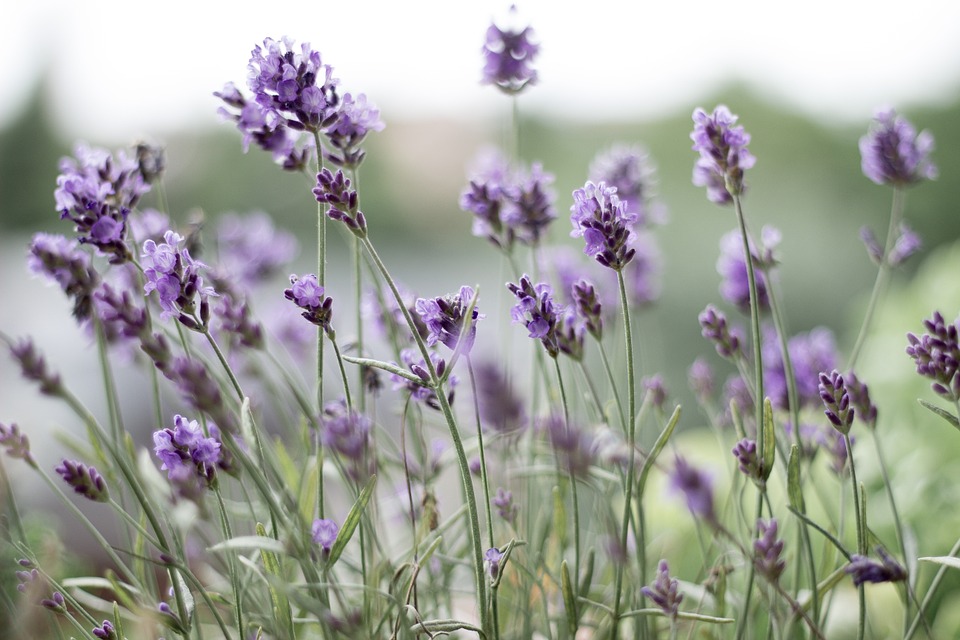
1. Lavender (Lavandula angustifolia)
Traditionally used in aromatherapy for its calming scent, oral preparations of lavender essential oil have gained significant scientific backing for managing anxiety. Specifically, a standardized preparation known as Silexan has been the subject of numerous clinical trials.
Mechanism of Action: Unlike many anxiolytic herbs that act on GABA receptors, research published in journals like Frontiers in Pharmacology suggests lavender oil modulates voltage-gated calcium channels. Consequently, this action helps reduce the excessive release of neurotransmitters that can lead to feelings of anxiety and restlessness, without causing sedation or dependence.
Administration Protocol and Safety Limits
- Form: Look for enteric-coated softgels containing 80 mg of standardized L. angustifolia essential oil (Silexan).
- Dosage: The clinically studied dose is typically 80 mg to 160 mg per day for adults.
- Timing: It can be taken with or without food, at any time of day.
- Treatment Duration: Studies show benefits within two weeks, with continuous improvement over several weeks. Use for up to 6-10 weeks is well-documented. For longer-term use, consult a healthcare professional.
Contraindications and Precautions
- Absolute Contraindications: Do not use if you have a known allergy to lavender.
- Adverse Effects: The most common side effect is mild gastrointestinal upset, such as “lavender-flavored burps,” which is minimized by using enteric-coated capsules.
- Drug Interactions: While significant interactions are not widely reported, caution is advised when combining it with other sedatives or CNS depressants.
2. Passion Flower (Passiflora incarnata)
Passion flower is a gentle but effective botanical recognized by regulatory bodies like the European Medicines Agency (EMA) for the relief of mild symptoms of mental stress and to aid sleep. Its traditional use by Native Americans for anxiety has been supported by modern clinical findings.
Mechanism of Action: Passion flower is believed to exert its calming effects by increasing levels of gamma-aminobutyric acid (GABA) in the brain. GABA is an inhibitory neurotransmitter that reduces brain activity, which may help you relax and feel less anxious. Studies indicate that compounds in passion flower bind to GABA-A receptors, producing a calming effect.
Administration Protocol and Safety Limits
- Form: Available as standardized extracts in capsules, tinctures, or as a tea.
- Dosage: For anxiety, typical doses are 200-400 mg of a standardized extract twice daily. As a tea, use 1-2 grams of dried herb steeped in hot water.
- Maximum Daily Dose: Do not exceed 800-1000 mg of extract per day without medical supervision.
- Treatment Duration: Generally considered safe for short-term use (up to 8 weeks).
Contraindications and Precautions
- Absolute Contraindications: Pregnancy, as it may stimulate uterine contractions.
- Drug Interactions: Avoid use with other sedatives, including benzodiazepines, barbiturates, and alcohol, as it can potentiate their effects. Discontinue use at least two weeks before scheduled surgery due to its interaction with anesthesia.
- Adverse Effects: Generally well-tolerated, but high doses may cause dizziness or confusion.
3. Chamomile (Matricaria recutita)
While widely known as a sleep aid, chamomile also possesses mild anxiolytic properties. Long-term use of chamomile extract has been shown in clinical trials to significantly reduce moderate-to-severe symptoms of Generalized Anxiety Disorder (GAD).
Mechanism of Action: The primary active compound, apigenin, binds to benzodiazepine receptors in the brain, producing a calming effect without the side effects associated with prescription medications. Furthermore, its anti-inflammatory properties may also contribute to its mood-stabilizing effects.
Administration Protocol and Safety Limits
- Form: Tea is popular for mild relaxation. For therapeutic effects, standardized extracts in capsules are more reliable.
- Dosage: For GAD, studies have used standardized extracts ranging from 500 mg to 1500 mg daily. As a tea, 1-3 cups per day is common.
- Timing: Can be taken throughout the day as needed or in the evening to promote relaxation before sleep.
- Treatment Duration: Long-term studies have evaluated its use for up to 38 weeks, demonstrating a good safety profile.
Contraindications and Precautions
- Absolute Contraindications: Known allergy to the Asteraceae/Compositae family (e.g., ragweed, daisies, marigolds).
- Drug Interactions: Use with caution if taking blood thinners (like warfarin) or cyclosporine, as chamomile may increase their effects.
- Adverse Effects: Allergic reactions are the primary concern. Otherwise, it is exceptionally well-tolerated.
4. Rhodiola (Rhodiola rosea)
Rhodiola is an adaptogenic herb, meaning it helps the body adapt to and resist physical, chemical, and environmental stress. It is particularly useful for anxiety that is accompanied by fatigue and burnout, a common combination in modern life.
Mechanism of Action: Rhodiola works by modulating the hypothalamic-pituitary-adrenal (HPA) axis, the body’s primary stress response system. According to research, it can influence levels of key neurotransmitters like serotonin and dopamine and reduce the excessive secretion of cortisol, the primary stress hormone.
Administration Protocol and Safety Limits
- Form: Standardized extracts (typically SHR-5) containing a 3:1 ratio of rosavins to salidroside.
- Dosage: For anxiety and fatigue, doses range from 200 mg to 600 mg per day, often split into two doses.
- Timing: Take in the morning and early afternoon to avoid potential sleep interference. Administer on an empty stomach for better absorption.
- Treatment Duration: Typically used for periods of up to 12 weeks. A break of 2-4 weeks is recommended between cycles.
Contraindications and Precautions
- Absolute Contraindications: Bipolar disorder, as it may trigger manic episodes.
- Adverse Effects: Can cause mild jitteriness, insomnia, or vivid dreams if taken too late in the day.
- Drug Interactions: Use with caution if taking antidepressants (SSRIs) or blood pressure medication.
5. Valerian (Valeriana officinalis)
Valerian root is one of the most well-known herbal sedatives, primarily used for insomnia. However, its calming properties also make it beneficial for managing anxiety, particularly when symptoms interfere with sleep.
Mechanism of Action: Similar to Passion Flower, Valerian is thought to increase GABA levels in the brain. It contains compounds like valerenic acid that inhibit the breakdown of GABA, allowing this calming neurotransmitter to remain active for longer.
Administration Protocol and Safety Limits
- Form: Aqueous or hydroalcoholic extracts in capsules or tinctures are most effective. Tea is less potent.
- Dosage: For anxiety, 300-600 mg of a standardized root extract per day, often divided into smaller doses. For sleep, a single dose is taken 30-60 minutes before bed.
- Maximum Daily Dose: Do not exceed 1000 mg per day.
- Treatment Duration: Effects may take 2-4 weeks to become noticeable. It is recommended to take a 1-2 week break after 4-6 weeks of continuous use.
Contraindications and Precautions
- Absolute Contraindications: Severe liver disease.
- Drug Interactions: Avoid combining with alcohol, benzodiazepines, barbiturates, or other CNS depressants due to the risk of excessive sedation. Discontinue at least two weeks before surgery.
- Adverse Effects: May cause headache, dizziness, or gastrointestinal upset. A paradoxical reaction of excitability can occur in a small percentage of users.
Therapeutic Alternatives
If the herbs listed above are not suitable for you, other evidence-based options may be considered in consultation with a healthcare provider:
- Lemon Balm (Melissa officinalis): A gentle herb from the mint family, excellent for anxiety with nervous tension and digestive upset. It also has cognitive-enhancing properties.
- Ashwagandha (Withania somnifera): An Ayurvedic adaptogen that is particularly effective for reducing cortisol levels and managing long-term stress and anxiety.
- Cognitive Behavioral Therapy (CBT): A highly effective, non-pharmacological approach that teaches coping strategies to manage anxious thoughts and behaviors.
Recent Medical Research (2020-2026)
Recent scientific inquiry continues to refine our understanding of these botanicals. For instance, a 2022 meta-analysis published in Phytotherapy Research reaffirmed the efficacy of standardized lavender oil (Silexan) for sub-syndromal anxiety, showing it to be comparable to some conventional medications but with a better side-effect profile. Moreover, ongoing research into the gut-brain axis is exploring how herbs like chamomile may exert their anxiolytic effects by modulating gut microbiota. However, limitations remain; more large-scale, long-term trials are needed to establish definitive guidelines for all populations, including children and pregnant women.
Specialist’s Summary
Herbs like Lavender, Passion Flower, and Rhodiola offer viable, evidence-based support for managing mild to moderate anxiety, with effects often appearing after two to four weeks of consistent use. However, they are not without risks. They are strongly contraindicated during pregnancy (Passion Flower) or in conditions like bipolar disorder (Rhodiola) and have moderate interactions with sedative medications. Validated alternatives include gentle nervines like Lemon Balm or powerful adaptogens like Ashwagandha, alongside non-herbal therapies like CBT.
Frequently Asked Questions
1. Can I use these herbs to replace my prescription anxiety medication?
No. You should never stop or reduce prescribed medication without consulting the prescribing doctor. Herbal remedies can be used as a complementary support system, but they are not a direct substitute for pharmaceuticals, especially for moderate to severe anxiety disorders.
2. How long does it take for these herbs to work for anxiety?
Unlike many prescription drugs, most herbal remedies do not work instantly. Consistent use is often required. For instance, you may notice benefits from Lavender within one to two weeks, while Valerian and Rhodiola may take two to four weeks to build up a noticeable effect.
3. Can I combine multiple anti-anxiety herbs?
Combining herbs with similar mechanisms (e.g., Valerian and Passion Flower, both GABA-ergic) can increase the risk of sedation and other side effects. It is best to start with a single herb under professional guidance to assess your individual response before considering a combination formula.
4. Are these herbs safe for children or during pregnancy?
Generally, no. Most of these herbs lack sufficient safety data for use in children or during pregnancy and breastfeeding. Passion Flower is explicitly contraindicated in pregnancy. Always consult a pediatrician or a healthcare provider specializing in prenatal care before considering any herbal supplement for these populations.
Sources and References
- Möller, H. J., et al. (2020). Efficacy of Silexan in subthreshold anxiety: A meta-analysis of individual patient data. Journal of Psychiatric Research.
- Savage, K., et al. (2022). The Effect of Passionflower (Passiflora incarnata) on Anxiety: A Systematic Review and Meta-Analysis. Phytotherapy Research.
- European Medicines Agency (EMA). Community herbal monograph on Passiflora incarnata L., herba.
- Amsterdam, J. D., et al. (2016). Chamomile (Matricaria recutita) may have antidepressant activity in anxious depressed humans – an exploratory study. Alternative Therapies in Health and Medicine.
- Ivanova Stojcheva, E., & Quintela, J. C. (2022). The Effectiveness of Rhodiola rosea L. Preparations in Alleviating Various Aspects of Life-Stress Symptoms and Stress-Induced Conditions—Encouraging Clinical Evidence. Molecules.
⚠️ Important Medical Information
This article is for educational and informational purposes only and is not intended as medical advice, diagnosis, or treatment. The information provided about these herbs is based on traditional use, preliminary research, and available scientific evidence, which may be limited.
Before using any herbal supplement:
- Consult a qualified healthcare provider, especially if you are pregnant, breastfeeding, taking medications, or have existing health conditions.
- Do not use as a substitute for prescribed medications or professional medical treatment.
- Individual results may vary – what works for one person may not work for another.
- Monitor for adverse reactions and discontinue use if negative symptoms occur.