Pears for Digestive Health: Benefits of Fiber and Safe Consumption
Pears (*Pyrus communis*) are more than just a sweet and refreshing fruit; they have a long history of use in traditional diets for promoting digestive regularity and overall wellness. As a phytotherapy specialist, it’s important to look beyond their taste and understand the evidence-based health benefits they offer, particularly for gut and cardiovascular health. This article provides a scientific overview of the benefits of pears, along with crucial safety protocols for their consumption.
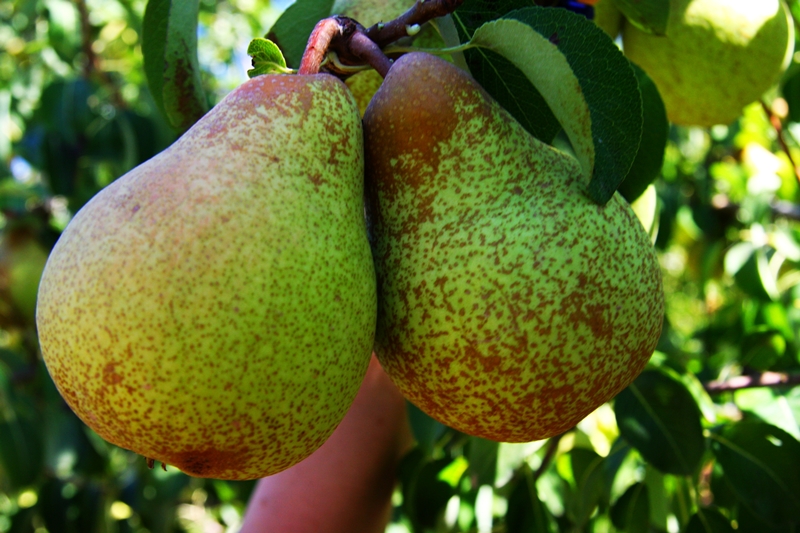
Primary Benefit: Supporting Digestive Health and Regularity
The most well-documented benefit of pears lies in their high dietary fiber content, which is essential for a healthy digestive system. A single medium-sized pear provides approximately 6 grams of fiber, which is about 22% of the recommended daily intake.
Mechanism of Action
- Soluble and Insoluble Fiber: Pears contain both types of fiber. Insoluble fiber adds bulk to stool, which helps prevent constipation and ensures regular bowel movements. Furthermore, soluble fiber forms a gel-like substance in the digestive tract. This substance, particularly pectin, acts as a prebiotic, feeding beneficial gut bacteria and promoting a healthy gut microbiome.
- Prebiotic Effects: According to research published in journals like Nutrients, prebiotic fibers are crucial for gut health. They support the growth of beneficial bacteria such as Bifidobacteria and Lactobacilli, which in turn produce short-chain fatty acids (SCFAs) like butyrate. Indeed, these SCFAs are vital for nourishing colon cells and reducing inflammation.
Secondary Health Benefits of Pears
Cardiovascular System Support
The compounds in pears may contribute significantly to heart health. The soluble fiber, pectin, helps lower levels of LDL (“bad”) cholesterol by binding with cholesterol in the gut and preventing its absorption. Additionally, pears are a good source of potassium, an essential mineral that helps regulate blood pressure by counteracting the effects of sodium.
Moreover, the skin of pears, particularly red varieties, is rich in anthocyanins. A systematic review in the Journal of the American Heart Association has linked higher anthocyanin intake with a reduced risk of cardiovascular events. These antioxidants help improve blood vessel elasticity and reduce oxidative stress.
Blood Sugar Regulation
Despite their sweet taste, pears have a low glycemic index (GI), meaning they cause a slower, more gradual rise in blood sugar levels. This is largely due to their high fiber content, which slows down the absorption of sugar in the bloodstream. For this reason, pears can be a suitable fruit choice for individuals managing diabetes, when consumed in moderation as part of a balanced diet.
Support for Skin Health and Immunity
Pears provide a notable amount of Vitamin C and copper, both of which are powerful antioxidants. Vitamin C is essential for the synthesis of collagen, a protein that maintains skin elasticity and structure. It also plays a key role in supporting immune cell function. Copper is a cofactor for enzymes that protect the body from oxidative damage caused by free radicals. However, while beneficial, pears alone are not a substitute for a varied diet rich in immune-supporting nutrients.
Administration Protocol and Safety Limits
While pears are a food, mindful consumption is key to maximizing benefits and avoiding discomfort.
- Recommended Daily Intake: For a healthy adult, consuming 1-2 medium-sized pears per day is a reasonable and beneficial amount as part of a balanced diet.
- Maximizing Nutrient Intake: To get the full fiber and antioxidant benefits, it is highly recommended to consume the pear with its skin on, after washing it thoroughly. The skin contains a significant portion of the fruit’s fiber and phytonutrients.
- Overconsumption Warning: Exceeding 3-4 pears in a single day may lead to digestive upset, such as bloating, gas, or diarrhea, due to the high intake of fiber and fructose.
Specific Biological Limitation: FODMAPs
Pears contain high levels of fructose and sorbitol, which are classified as FODMAPs (Fermentable Oligosaccharides, Disaccharides, Monosaccharides, and Polyols). For most people, these are harmless. However, for individuals with Irritable Bowel Syndrome (IBS) or fructose malabsorption, these compounds can be poorly absorbed in the small intestine. Consequently, they travel to the large intestine where they are fermented by bacteria, leading to significant gas, bloating, abdominal pain, and diarrhea. Therefore, individuals following a low-FODMAP diet should avoid or strictly limit their intake of pears.
Contraindications and Precautions
- FODMAP Sensitivity/IBS: This is the primary contraindication. Individuals diagnosed with IBS should consult a healthcare provider or registered dietitian before including pears in their diet.
- Pear Allergy: While uncommon, pear allergies can occur. Symptoms can range from mild oral allergy syndrome (itchy mouth or throat), particularly in those with birch pollen allergies, to more severe systemic reactions.
- Drug Interactions: There are no major documented drug interactions with pears. However, consuming a very high amount of fiber at the same time as oral medications could theoretically slow their absorption rate. It is advisable to take medications at least one hour before or two hours after a high-fiber meal.
Therapeutic Alternatives for Digestive Health
If pears are not suitable due to FODMAP sensitivity or other reasons, consider these evidence-based alternatives for digestive support:
- Prunes (*Prunus domestica*): An excellent alternative for constipation relief. Prunes contain both fiber and sorbitol, which acts as a natural osmotic laxative, drawing water into the colon to ease bowel movements.
- Kiwi (*Actinidia deliciosa*): A low-FODMAP fruit rich in fiber and an enzyme called actinidin, which has been shown in clinical studies to aid protein digestion and improve bowel function in individuals with constipation.
- Psyllium Husk (*Plantago ovata*): A well-researched bulk-forming fiber supplement. It is highly effective for promoting regularity and can be beneficial for both constipation and diarrhea, making it a versatile option for managing IBS symptoms.
Recent Medical Research (2020-2026)
Modern research continues to validate the health benefits of fruits like pears, focusing on their phytochemicals and impact on the gut microbiome.
- A 2022 study in the journal Foods highlighted the role of pear polyphenols in modulating gut microbiota, suggesting that regular consumption could positively influence gut health beyond just the fiber content.
- Ongoing research is exploring the specific effects of pear-derived anthocyanins on metabolic health and insulin sensitivity, with preliminary findings suggesting a protective role against metabolic syndrome.
Current Limitations: While the benefits of fiber and antioxidants are well-established, more human clinical trials are needed to isolate the specific effects of pear consumption from those of a generally healthy, fruit-rich diet.
Specialist’s Summary
Pears are a nutritionally valuable fruit, primarily useful for supporting digestive regularity and cardiovascular health due to their high content of fiber, potassium, and antioxidants. Their benefits are best realized when consumed as part of a whole-food diet. However, they are strongly contraindicated for individuals with IBS or FODMAP sensitivity due to their high fructose and sorbitol content. Validated alternatives for digestive support include prunes, kiwi, and psyllium husk.
Frequently Asked Questions
1. Are pears effective for relieving constipation?
Yes, pears can be very effective for mild to moderate constipation. Their combination of insoluble fiber (adds bulk) and soluble fiber (softens stool), along with natural sugars like fructose and sorbitol, helps promote regular bowel movements.
2. Should you eat the skin of a pear?
Absolutely. The skin of a pear contains up to half of its total dietary fiber, as well as a high concentration of antioxidants like flavonoids. For maximum health benefits, wash the pear thoroughly and eat it unpeeled.
3. Why do pears sometimes cause bloating and gas?
Pears can cause bloating and gas in sensitive individuals because they are high in FODMAPs, specifically fructose and sorbitol. People with Irritable Bowel Syndrome (IBS) or fructose malabsorption often experience these symptoms after eating pears.
4. Are pears a safe fruit for people with diabetes?
Yes, in moderation. Pears have a low glycemic index, meaning they do not cause a rapid spike in blood sugar. The high fiber content slows sugar absorption, making them a suitable fruit choice for individuals managing their blood glucose levels.
Sources and References
- Reiland, H., & Slavin, J. (2015). Systematic Review of Pears and Health. Nutrition Today, 50(6), 301–305. https://doi.org/10.1097/NT.0000000000000132
- Tan, J., et al. (2021). The Role of Pears and Their Bioactive Compounds in Modulating the Gut Microbiota. Foods, 10(7), 1659. https://www.mdpi.com/2304-8158/10/7/1659
- Monash University. FODMAP Diet App. (Provides up-to-date information on the FODMAP content of foods, including pears).
⚠️ Important Medical Information
This article is for educational and informational purposes only and is not intended as medical advice, diagnosis, or treatment. The information provided about Pears is based on nutritional science and available scientific evidence.
Before making significant changes to your diet:
- Consult a qualified healthcare provider or registered dietitian, especially if you have existing health conditions like IBS, diabetes, or food allergies.
- Do not use this information as a substitute for professional medical treatment or dietary guidance.
- Individual results may vary – what works for one person may not work for another, and some individuals may experience digestive discomfort.
- Monitor for adverse reactions and discontinue consumption if negative symptoms occur.



